Water Treatment How Can We Make Our Water Safe to Drink?
Susan E. KegleyPublished2004
Pages208
Formatpaperback
PublisherW. W. Norton, Incorporated
Synopsis
xiii, 81 p. : 28 cm
Recommendations
Prisoners' Guerrilla Handbook to Correspondence Programs in the United States and Canada High School, Vocational, Paralegal and College Courses
by Jon Marc Taylor
Blum takes the same investigative rigor Kegley applies to water safety and channels it into a page-turner about how scientists cracked cases through chemistry. You'll get that same satisfaction of watching experts decode invisible threats—except here the stakes are murder investigations in 1920s New York, and the science is equally fascinating but far more dramatic.
View book
The Gentle Subversive Rachel Carson, Silent Spring, and the Rise of the Environmental Movement
by Mark H. Lytle
Published in 1962, Carson's landmark work shares Kegley's mission of protecting our environment through rigorous science, but she's examining pesticides and their cascade effects through ecosystems. If you appreciated how Kegley breaks down complex water chemistry for general readers, you'll recognize Carson doing the same thing with ecology—and her writing has this quiet, urgent power that makes you feel the weight of what's at stake.
View book
Oryx and Crake
by Margaret Atwood
Here's your genre leap: a speculative fiction novel that takes the kind of environmental and water-system concerns Kegley addresses and imagines them spiraling into dystopia. Atwood builds her world with the same attention to how systems actually work—genetic engineering, corporate control, resource scarcity—so it feels disturbingly plausible rather than fantastical, and it'll make you reconsider why the practical work in Kegley's book matters so urgently.
View book
Cadillac Desert
by Marc Reisner
Reisner takes water as his subject like Kegley does, but zooms out to tell the epic, often infuriating story of how the American West developed its water infrastructure—dams, aqueducts, politics, and all. It's narrative nonfiction that reads like a thriller, with the same technical knowledge grounding it, but Reisner's asking bigger questions about power and sustainability that complement Kegley's focus on the chemistry of safety.
View book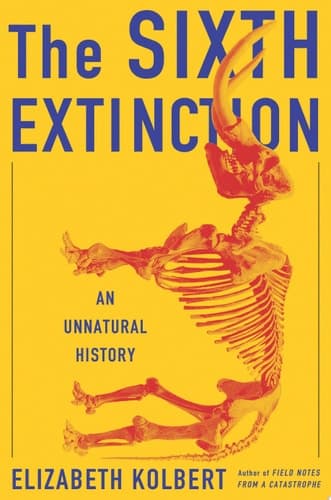
The Sixth Extinction An Unnatural History
by Elizabeth Kolbert
Kolbert writes about ecological collapse with the same clear-eyed scientific precision Kegley brings to water treatment, but she's connecting dots across biology, geology, and human impact. She visits research sites around the world to show you how species are vanishing, and the book has this propulsive quality—you're learning cutting-edge science while being taken on a journey, which makes the stakes feel immediate rather than abstract.
View bookAbout Susan E. Kegley
S
Susan E. Kegley
Born 1957
Biography coming soon.
View author page