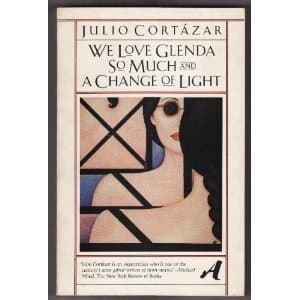
We Love Glenda So Much and a Change of Light (Aventura: The Vintage Library of Contemporary World Literature)
Julio CortázarPublished1984
Pages421
Formatpaperback
PublisherVintage
Synopsis
In settings ranging from the Buenos Aires subway to a luxurious Martinique resort, stories by an Argentinian master blend unsettling suspense, intellectual play, clever fantasy, and intense emotional conflict
Recommendations
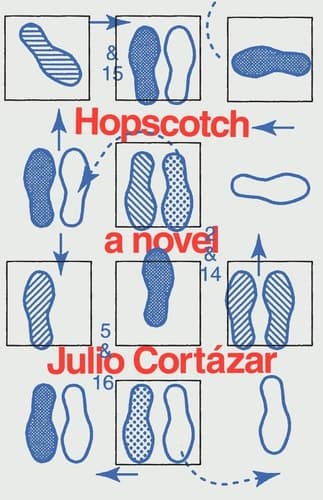
Hopscotch A Novel
by Julio Cortázar
Wait—I know what you're thinking. But hear me out: if you haven't read Cortázar's masterwork yet, this is the natural next step. Where *We Love Glenda* uses short story form to create those vertiginous moments of emotional and intellectual vertigo, *Hopscotch* builds an entire novel around the idea that reality itself is negotiable. You can read it linearly or jump between chapters like the title suggests, and either way, you'll find that same blend of philosophical playfulness with genuine human longing that made those stories linger with you.
View book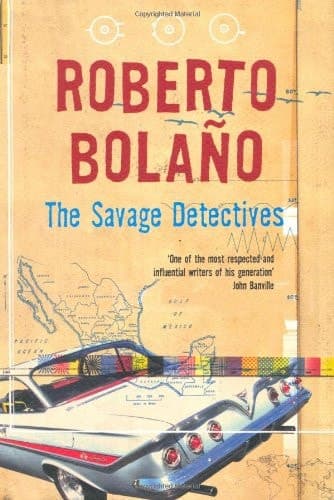
The Savage Detectives A Novel
by Roberto Bolaño
Bolaño shares Cortázar's gift for making intellectual obsession feel like genuine passion—here it's a group of young poets chasing a literary phantom through Mexico City and beyond. Like Cortázar's stories, this novel moves between registers of suspense and absurdity, and the emotional core (what these characters are really searching for) sneaks up on you beneath all the literary games. It's longer and more ambitious than *We Love Glenda*, but it has that same quality of making you feel like you're discovering something dangerous.
View book
The Apocalyptic Vision of Mikhail Bulgakov's the Master and Margarita (Studies in Slavic Language & Literature)
by Edward E. Ericson
This 1960s Russian novel does something Cortázar would recognize: it splinters reality into multiple storylines (Moscow in Stalin's era, ancient Jerusalem, a supernatural apartment) that shouldn't coexist but somehow do. The fantasy elements aren't escapism—they're a way of speaking truth about power and desire that straightforward realism couldn't touch. You'll find that same unsettling blend of the mundane and the impossible that makes Cortázar's subway riders suddenly seem like they're living in a fever dream.
View book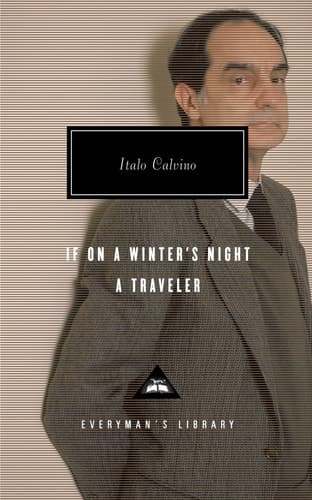
If on a Winter's Night a Traveler Introduction by Peter Washington
by Italo Calvino
Calvino is doing something adjacent to what Cortázar does—he's written a novel that's essentially a series of opening chapters to different books, each one interrupted just as it gets compelling. But unlike pure metafiction, there's real emotional stakes here: the reader (that's you, directly addressed) is searching for connection with an author and another reader. It has that same quality of intellectual playfulness wrapped around genuine human longing that makes Cortázar's stories so affecting.
View bookAbout Julio Cortázar
J
Julio Cortázar
1914–1984
Julio Florencio Cortázar (Ixelles, 26 de agosto de 1914-París, 12 de febrero de 1984) fue un escritor, poeta y profesor argentino. También trabajó como traductor, oficio que desempeñó para la Unesco y varias editoriales. En 1981, sin renunciar a su nacionalidad argentina, optó por la francesa en protesta contra la dictadura militar en su país, que prohibió sus libros y que él denunció a la prensa internacional desde su residencia en París. Se lo considera uno de los autores más innovadores y originales de su tiempo, maestro del relato corto, la prosa poética y la narración breve en general, y creador de importantes novelas, en la cual destaca *Rayuela,* que inauguraron una nueva forma de hacer literatura en el mundo hispano. Junto a Gabriel García Márquez, Mario Vargas Llosa y Carlos Fuentes, fue uno de los exponentes centrales del *boom* latinoamericano. Fuente: [Wikipedia](https://es.wikipedia.org/wiki/Julio_Cort%C3%A1zar) ---------- Julio Cortázar, born Jules Florencio Cortázar, was an Argentine author of novels and short stories. He influenced an entire generation of Latin American writers from Mexico to Argentina, and most of his best-known work was written in France, where he established himself in 1951. Source and more information: http://en.wikipedia.org/wiki/Julio_Cort%C3%A1zar
View author page