Synopsis
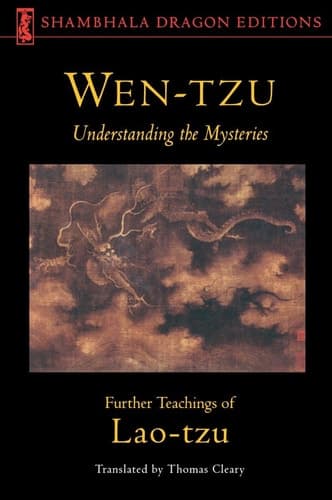
Lao-tzu, the legendary sage of ancient China, is traditionally considered to be the author of the Tao Te Ching, one of the most popular classics of world literature. Now Lao-tzu's further teachings on the Tao, or Way, are presented here in the first English translation of the Chinese text known as the Wen-tzu. Although previously ignored by Western scholars, the Wen-tzu has long been revered by the Chinese as one of the great classics of ancient Taoism. In it, Lao-tzu shows that the cultivation of simplicity and spontaneity is essential to both the enlightened individual and the wise leader. This timeless work will appeal to a broad audience of contemporary readers who have come to consider Lao-tzu's Tao Te Ching a classic on the art of living.
Recommendations
Generating recommendations…
Our AI is preparing recommendations for Wen-Tzu: Understanding the Mysteries. This usually takes under a minute.
About Lao Tzu
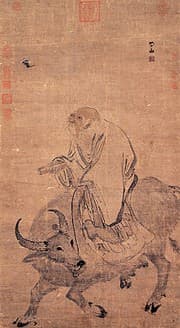
Laozi (Chinese: 老子; pinyin: Lǎozǐ; Wade–Giles: Laosi; also Lao Tse, Lao Tu, Lao-Tzu, Lao-Tsu, Laotze, Lao Zi, Laocius, and other variations) was a mystic philosopher of ancient China, and is a central figure in Taoism (also spelled "Daoism"). Laozi literally means "old master", and is generally considered honorific. Laozi is revered as a deity in most religious forms of Taoism. Taishang Laojun is title for Laozi in the Taoist religion, which refers to him as "One of the Three Pure Ones". According to Chinese tradition, Laozi lived in the 6th century BC. Historians variously contend that Laozi is a synthesis of multiple historical figures, that he is a mythical figure, or that he actually lived in the 4th century BC, concurrent with the Hundred Schools of Thought and Warring States Period. A central figure in Chinese culture, both nobility and common people claim Laozi in their lineage. Throughout history, Laozi's work has been embraced by various anti-authoritarian movements. **Source**: [Laozi](https://en.wikipedia.org/wiki/Laozi) on Wikipedia.
View author page