
Synopsis
Plans to build a large shopping mall in rural Darby, New Hampshire, provoke new alliances and rivalries among the town's aristocrats, newcomers, and tradespeople and within the outcast Jordan clan
Recommendations

Plainsong
by Kent Haruf
Like Hebert, Haruf builds his narrative around the quiet collisions between old-money ranching families and newcomers in a small Colorado town, but he does it with an almost elegiac patience—watching how economic pressure and social change ripple through interconnected lives. The prose has that same attentiveness to how class and belonging actually work in rural America, without sentimentalizing either the locals or the outsiders.
View book
The remains of the day de Kazuo Ishiguro
by Gallix/François
This is your surprise pick—it's not about small-town America, but it shares Hebert's fascination with how people navigate hierarchies and allegiances within a closed social world. Ishiguro reveals his narrator's true allegiances and self-deceptions through what he *doesn't* say, much like how Hebert lets you discover the Jordan clan's real power through their interactions with the town's 'respectable' families.
View book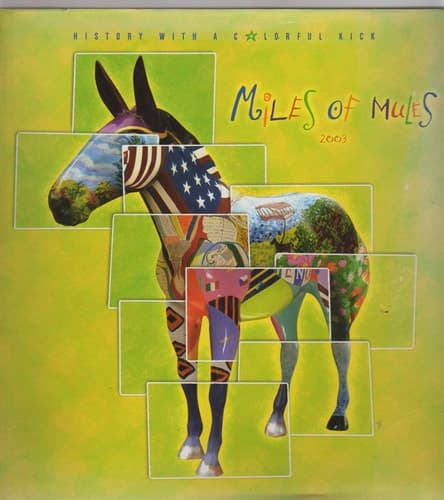
Miles of mules 2003: History with a colorful kick
by Rayne R Schnabel
Galloway writes about working-class people with the kind of unsentimental respect Hebert brings to his tradespeople and outcasts—she captures how ordinary people navigate systems designed to exclude them. Published in 1997, this gives you a different decade while maintaining that sharp-eyed attention to how class and community actually function in lived experience.
View book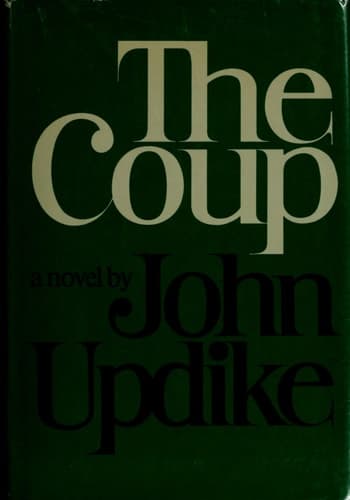
The Coup
by John Updike
Updike's novel about power struggles in a fictional African nation might seem worlds away from New Hampshire, but he's doing exactly what Hebert does—mapping how personal ambition, family loyalty, and economic interest create shifting alliances within a defined community. The satirical edge and the way Updike tracks who gains and loses power through development projects will feel very familiar.
View book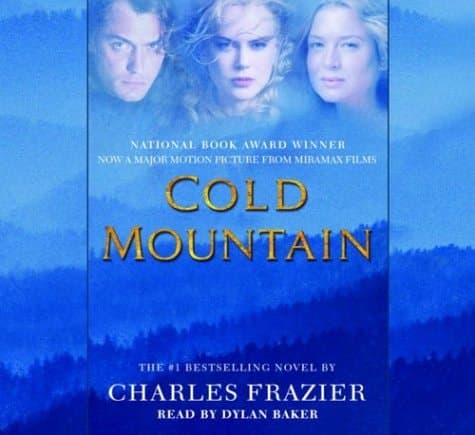
Cold Mountain
by Charles Frazier
Frazier builds his Civil War narrative by moving between different social strata—soldiers, mountain families, enslaved people, profiteers—showing how a single historical event fractures and reshapes community bonds. Like Hebert, he's interested in how outsiders and insiders are defined, and how economic and social upheaval reveals what people actually value beneath the surface civility.
View bookAbout Ernest Hebert
Biography coming soon.
View author page