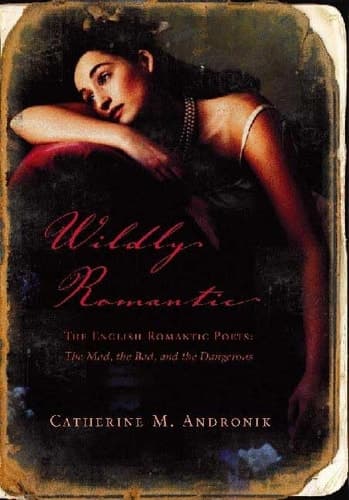
Wildly Romantic The English Romantic Poets: The Mad, the Bad, and the Dangerous
Catherine M. AndronikPublished2007
Pages272
Formathardcover
PublisherHenry Holt and Company (BYR)
Synopsis
Meet the rebellious young poets who brought about a literary revolution
Rock stars may think they invented sex, drugs, and rock and roll, but the Romantic poets truly created the mold.
In the early 1800s, poetry could land a person in jail. Those who tried to change the world through their poems risked notoriety--or courted it. Among the most subversive were a group of young writers known as the Romantics: Lord Byron, Percy Bysshe Shelley, Samuel Taylor Cole-ridge, William Wordsworth, and John Keats. These rebels believed poetry should express strong feelings in ordinary language, and their words changed literature forever.
Wildly Romantic is a smart, sexy, and fascinating look at these original bad boys--and girls.
Recommendations
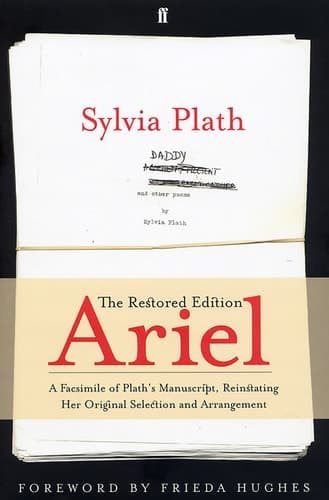
Ariel: The Restored Edition A Facsimile of Plath's Manuscript, Reinstating Her Original Selection and Arrangement
by Sylvia Plath
Plath's poetry collection has that same raw emotional intensity and willingness to shock that defined the Romantics, but filtered through a 20th-century female consciousness grappling with identity and rage. Where Byron courted notoriety through scandal, Plath achieves it through unflinching psychological honesty—the confessional mode taken to its most dangerous extreme.
View book![Cover of Black culture and Black identity: Albert Murray's Train whistle guitar and Ralph Ellison's Invisible man in Alabama ([Perspectives, the Alabama heritage])](/_next/image?url=https%3A%2F%2Fcovers.whatshouldireadnext.com%2Feditions%2F9780916624224%2Flg.jpg&w=3840&q=75)
Black culture and Black identity: Albert Murray's Train whistle guitar and Ralph Ellison's Invisible man in Alabama ([Perspectives, the Alabama heritage])
by Alma S Freeman
This might seem like a left turn from poetry, but Ellison's prose has a lyrical, rhythmic quality that echoes Romantic sensibilities while exploring what it means to be unseen by society. The novel's meditation on identity and social invisibility carries forward the Romantics' obsession with the individual consciousness against the world, just in a completely different register and era.
View book
The Savage Detectives A Novel
by Roberto Bolaño
Bolaño's sprawling novel is essentially about a band of young, idealistic poets in 1970s Mexico City who believe literature can change the world—it's the Romantic dream transplanted to a different century and continent, complete with the same mixture of genuine brilliance, self-destruction, and questionable life choices. The book captures that intoxicating belief that art matters absolutely, consequences be damned.
View book
Frankenstein Mary Shelley
by Mary Shelley
Written by the wife of Percy Bysshe Shelley when she was barely twenty, this novel *is* Romantic literature—all Gothic atmosphere, emotional extremes, and a protagonist consumed by obsession. It's the perfect bridge because you'll recognize the sensibility from the poets you just read about, but see how those same impulses manifest in narrative form, with all the messy consequences spelled out.
View book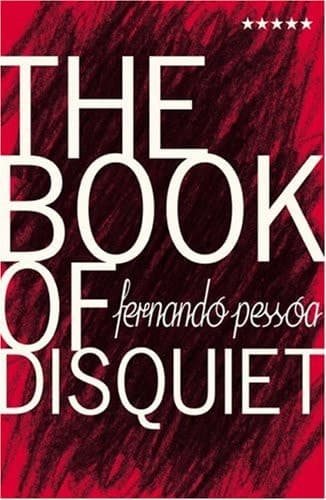
The Book of Disquiet
by Fernando Pessoa
Pessoa's fragmented, philosophical prose-poetry collection reads like the interior monologue of someone trying to capture every fleeting thought and contradiction—it's what happens when Romantic introspection meets modernist fragmentation. The book's obsession with authenticity, identity, and the impossibility of stable selfhood takes the Romantics' focus on individual feeling and pushes it into genuinely strange, unsettling territory.
View bookAbout Catherine M. Andronik
Biography coming soon.
View author page