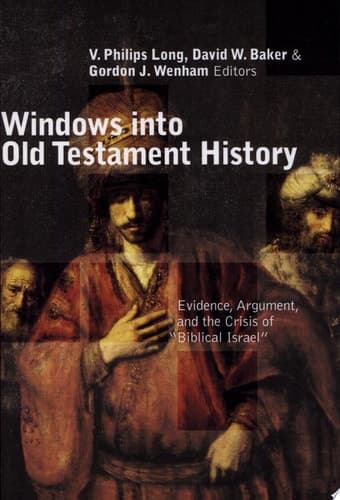
Synopsis
In recent years revisionist scholars have attacked the Bible's picture of ancient Israel as a fiction. While the majority of scholars reject this claim, a spirit of uneasiness remains among those who affirm the Old Testament's reliability. This bracing book provides fresh evidence for the historical value of Scripture. Written by an international team of competent scholars, "Windows into Old Testament History seeks to rebuild the case for a positive appraisal of biblical Israel.
In the first essay Jens Bruun Kofoed explores the models and methods of study employed by the so-called Copenhagen School. Nicolai Winther-Nielsen then turns to the question of how best to hear the verbal testimony of the biblical texts, proposing a pragmatic approach to reading scripture. The next three essays examine ways of testing the truth value of the texts within the ancient Near Eastern context: Richard S. Hess, Alan R. Millard, and Kenneth A. Kitchen each focus on archaeological and comparative literary studies that illustrate how extrabiblical evidence can clarify debated issues and elucidate questions that are raised by the biblical texts themselves. Two case studies of the book of Chronicles by Brian E. Kelly and Peter J. Williams then demonstrate in a practical way how biblical and extrabiblical evidence can be brought together to uncover Israel's history. The final essay by Iain W. Provan returns to the epistemological and philosophical concerns which began the book, seen anew in light of the contributors' fruitful work.
Attacking head-on the major issues involved in this fascinating yet conflicted field, "Windows into OldTestament History is an excellent resource for anyone interested in the facts surrounding ancient Israel.
Recommendations
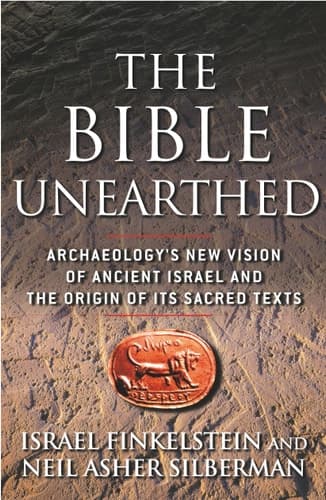
The Bible Unearthed Archaeology's New Vision of Ancient Israel
by Israel Finkelstein
This takes the opposite scholarly position from Long's book—Finkelstein and Silberman argue for a more minimalist view of biblical history—but that's precisely why you should read it next. You've just absorbed one side of a genuine intellectual debate; this presents the revisionist case with equal rigor and archaeological detail. Reading both back-to-back will give you the kind of nuanced understanding that comes from wrestling with competing expert interpretations rather than accepting either wholesale.
View book
The End of Globalization Why Global Strategy is a Myth & how to Profit from the Realities of Regional Markets
by Alan M. Rugman
Here's your surprise pick: Grandin's a historian examining how Americans construct national identity through selective historical narratives—which is exactly what Long's book is grappling with regarding ancient Israel. But Grandin applies this lens to American history and mythology, showing how all societies mythologize their origins. It's a completely different subject matter, yet the epistemological questions about how we know what we know about the past, and why we want certain stories to be true, will feel deeply familiar.
View book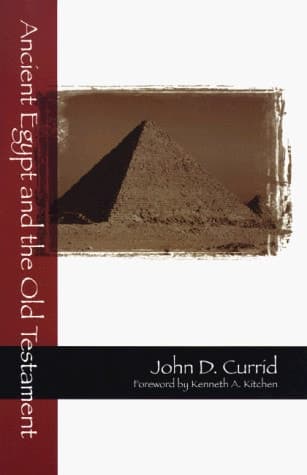
Ancient Egypt and the Old Testament
by John D. Currid
Currid offers another evidence-based approach to biblical-ancient world connections, but focuses specifically on Egyptian parallels and contacts rather than the broader methodological questions Long raises. Where Long's team builds the philosophical case for why we should trust biblical testimony, Currid gets into the granular comparative work—showing you exactly how Egyptian texts, chronologies, and material culture illuminate specific biblical narratives. It's like moving from the theoretical framework to the practical application.
View book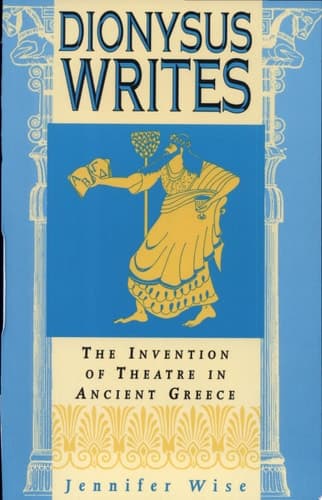
Dionysus Writes The Invention of Theatre in Ancient Greece
by Unknown
Whitelam represents yet another scholarly position in this ongoing conversation—he critiques how biblical scholarship has marginalized Palestinian history and created a distorted picture of the Levantine past. Published in 1996, this predates Long's 2002 collection and shows how the "crisis of biblical Israel" Long addresses was already generating competing frameworks about whose history gets told and how. It's intellectually humbling in the best way: you'll see how reasonable scholars can examine the same evidence and reach fundamentally different conclusions.
View bookAbout V. Philips Long
Biography coming soon.
View author page