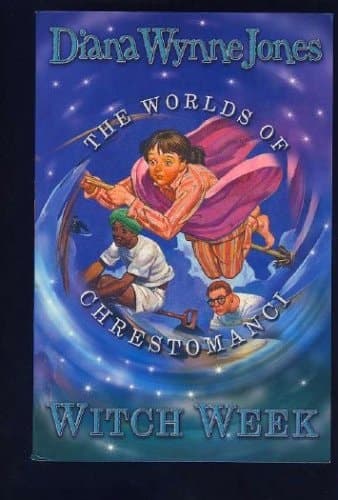
Synopsis
There are good witches and bad witches, but the law says that all witches must be burned at the stake. So when an anonymous note warns, "Someone in this class is a witch," the students in 6B are nervous -- especially the boy who's just discovered that he can cast spells and the girl who was named after the most famous witch of all.Witch Week features the debonair enchanter Chrestomanci, who also appears in Charmed Life, The Magicians of Caprona, and The Lives of Christopber Chant.Someone in the class is a witch. At least so the anonymous note says. Everyone is only too eager to prove it is someone else -- because in this society, witches are burned at the stake.
Recommendations
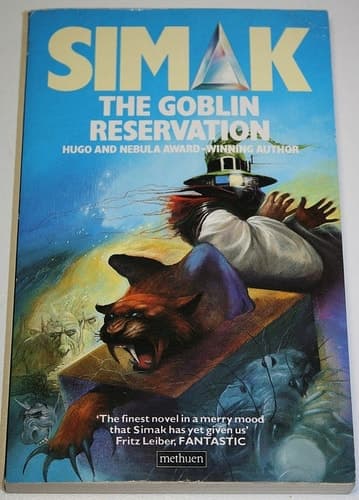
The Goblin Reservation
by Clifford D. Simak
Simak shares Jones's gift for treating magical systems with the same logical rigor as science fiction—here, goblins and other supernatural creatures exist in a carefully managed preserve, and the mystery unfolds through bureaucratic absurdity and genuine danger. Like Witch Week, it finds humor and heart in a world where the 'other' must be carefully controlled, but the real problem is always more complicated than the official story.
View book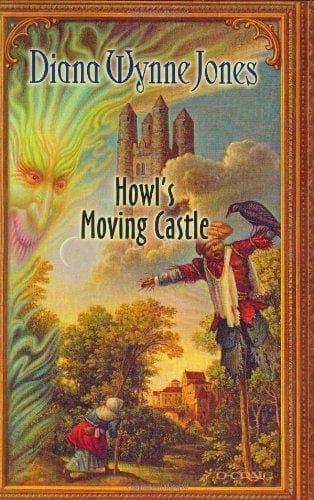
Howl's Moving Castle
by Diana Wynne Jones
Wait—I know you've likely heard of this one, but I'm recommending it because it's the closest match to Witch Week's particular alchemy: a school setting transforms into something far stranger, characters discover hidden abilities under pressure, and Jones layers genuine stakes beneath comedy. The way she handles Howl's vanity and the Witch of the Waste's villainy gives you that same sense of moral complexity you got from Chrestomanci's world.
View book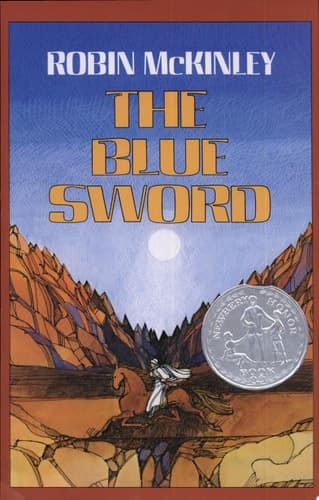
The Blue Sword
by Robin McKinley
McKinley builds her fantasy world with the same meticulous attention to how magic functions within society that Jones uses—here, a young woman discovers she has abilities that don't fit her culture's expectations, and the real conflict emerges from the collision between different magical traditions and political realities. The pacing has that same breathless quality as Witch Week, where danger feels immediate even when the stakes are being revealed gradually.
View book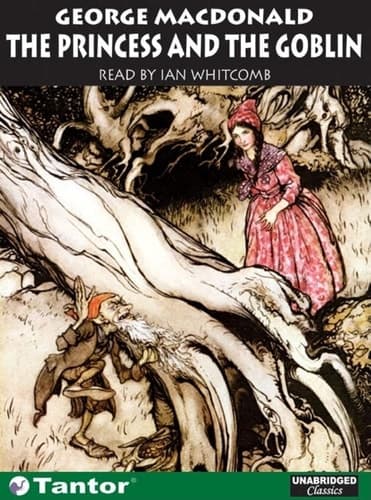
The Princess and the Goblin
by George MacDonald
This is a gentler book than Witch Week, but it shares something crucial: the protagonist must navigate a complex institutional world where the rules are unwritten, alliances shift constantly, and his outsider status is both vulnerability and strength. Addison writes with Jones's attention to how power actually works in hierarchical systems—through courtesy, information, and understanding what people really want beneath their official positions.
View book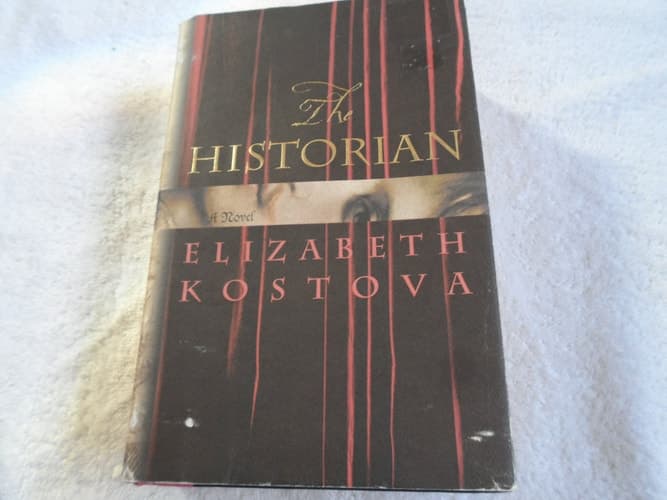
The Historian
by Elizabeth Kostova
Here's your surprise pick: this is literary historical fiction, not fantasy, but it operates on the same principle as Witch Week—a mystery unfolds through documents, letters, and conversations, and the real magic is in how Kostova reveals that history itself is stranger and more interconnected than anyone suspected. If you loved the way Jones makes you piece together the rules of her world gradually, Kostova does something similar with our actual world, making the mundane feel genuinely uncanny.
View bookAbout Diana Wynne Jones
D
Diana Wynne Jones
1934–2011
A British writer, principally of fantasy novels for children and adults as well as a small amount of non-fiction.
View author page