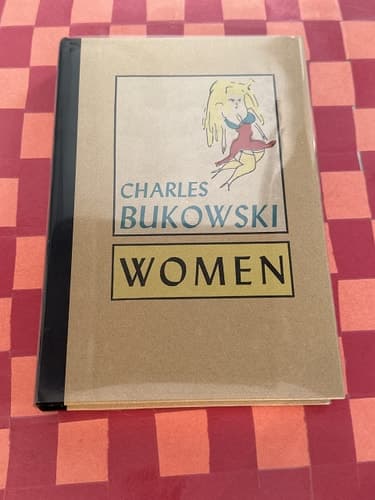
Synopsis
Low-life writer and unrepentant alcoholic Henry Chinaski was born to survive. After decades of slacking off at low-paying dead-end jobs, blowing his cash on booze and women, and scrimping by in flea-bitten apartments, Chinaski sees his poetic star rising at last. Now, at fifty, he is reveling in his sudden rock-star life, running three hundred hangovers a year, and maintaining a sex life that would cripple Casanova.
With all of Bukowski's trademark humor and gritty, dark honesty, this 1978 follow-up to Post Office and Factotum is an uncompromising account of life on the edge.
Recommendations
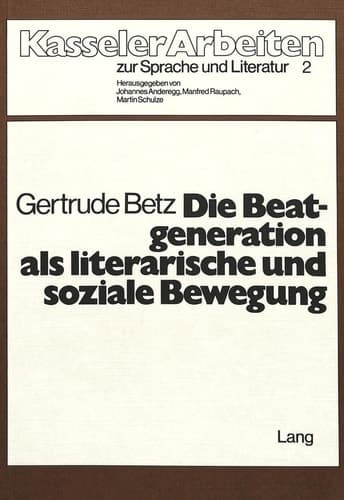
Die Beatgeneration als literarische und soziale Bewegung: Untersucht am Beispiel von Jack Kerouac «The Subterraneans», «The Dharma Bums» und ... zur Sprache und Literatur) (German Edition)
by Gertrude Betz
Kerouac captures that same restless, booze-fueled scramble through bohemian life that Bukowski documents, but with Kerouac's stream-of-consciousness urgency rather than Bukowski's deadpan cynicism. Both writers are mining their own lived chaos for raw material, though Kerouac's narrator is still searching for meaning while Chinaski has already given up—which makes their different takes on the same milieu fascinating to compare.
View book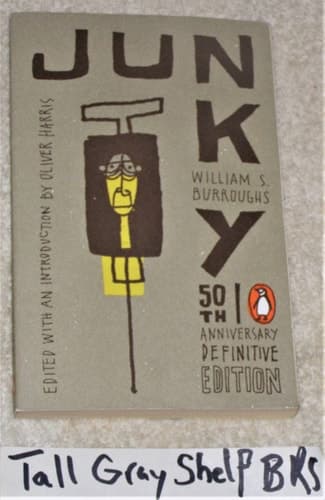
Junky The Definitive Text of "Junk"
by William S. Burroughs
Burroughs writes about addiction and survival with the same unflinching, almost clinical honesty that Bukowski brings to his hangovers and sexual escapades. Where Bukowski is darkly funny about his degradation, Burroughs is matter-of-fact about it—but both authors refuse to sentimentalize or apologize for their subjects, which gives their work an uncomfortable authenticity that most writers won't touch.
View book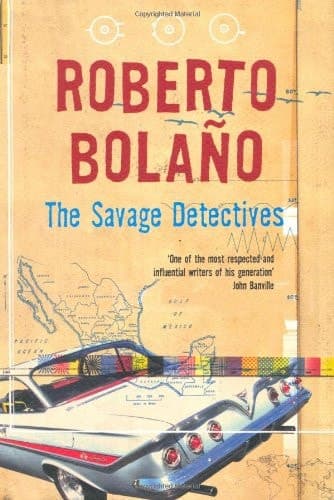
The Savage Detectives A Novel
by Roberto Bolaño
This is the curveball recommendation, but stay with me: Bolaño's novel is about failed poets and drifters chasing meaning through Mexico and Europe in the 1970s, and it has Bukowski's obsession with the margins and the overlooked, but filtered through a more experimental, almost encyclopedic structure. It's longer and stranger than Women, but if you loved Bukowski's refusal to make his characters likeable or redeemable, you'll find that same anarchic energy here, just operating on a grander scale.
View book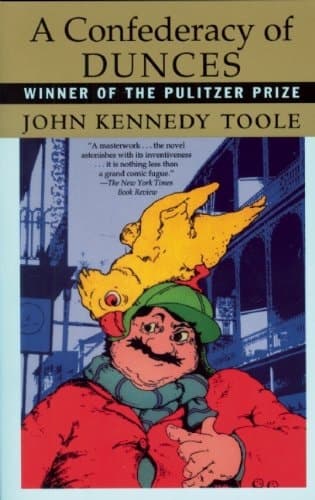
A Confederacy of Dunces
by John Kennedy Toole
Toole's protagonist is as much a disaster as Chinaski, but where Bukowski mines his own life for dark comedy, Toole creates a grotesque, picaresque comedy around a delusional man-child stumbling through New Orleans. Both books have that same contempt for polite society and conventional success, and both are genuinely funny in ways that come from observing human weakness without flinching or looking away.
View bookAbout Charles Bukowski
Biography coming soon.
View author page