Synopsis
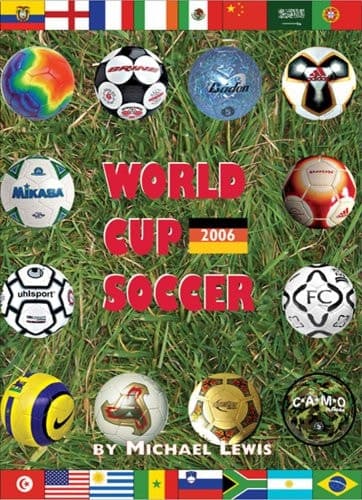
The essential reference book to have for preparing and watching the 2006 tournament in Germany this Summer. Everything is here, from the historical perspective to line-up for each match. The book has the statistics, the groupings, team and player profiles, the venues and the trivia. A historical perspective since 1930 is given with extensive game and round commentary. One chapter recalls the most memorable games in each tournament. Another chapter is devoted to the best and brightest players. The qualifying rounds of the international soccer competition are summarised, highlighting the pivotal games for each of the 32 qualifying nations. the twelve German venues for the tournament are described, assessing the pros and cons of each site. The centrepiece of the book is an entry for each qualifying team describing the country, previous appearances and history, qualifying games, key players, player pool, probable line-up and a short discussion of how the team will fare in this competition. Many interesting features, anecdotes, and trivia on the participating teams are sprinkled throughout the text.
Recommendations
Fever Pitch
Fever Pitch
by Nick Hornby
Hornby writes about sports obsession with the same meticulous detail and personal investment you'd find in Lewis's tournament guide, but he's doing it as memoir—weaving together Arsenal's history, his own life, and what it means to be a fan. You'll recognize that same impulse to catalog, contextualize, and find meaning in statistics and match outcomes, except here it's filtered through genuine emotional vulnerability.
View book
The Ball is Round A Global History of Soccer
by David Goldblatt
If you loved the historical sweep of Lewis's book—that journey from 1930 to 2006—Goldblatt takes you even deeper, treating soccer as a lens through which to understand entire nations and centuries. He's got the same appetite for comprehensive detail, but he's asking bigger questions about how the game shaped (and was shaped by) colonialism, economics, and identity across continents.
View book
Moneyball The Art Of Winning An Unfair Game
by Michael Lewis
I know—same author—but this is genuinely different territory. Lewis applies that same investigative, data-driven approach to baseball, but now he's telling a narrative about how unconventional thinking disrupts an entire sport's establishment. Where World Cup Soccer is your reference guide, Moneyball is the story of how someone rewrote the rules by understanding statistics differently than everyone else.
View book
The Savage Detectives A Novel
by Roberto Bolaño
Here's the curveball: Bolaño's novel is set partly in Mexico during the 1986 World Cup, and it shares Lewis's obsession with cataloging, mapping, and documenting a vast, chaotic system—except it's literature, not sports. The book mirrors the tournament's structure (multiple narratives, different perspectives, a sense of following threads across geography), and you'll find that same satisfaction in piecing together how all these disparate elements connect.
View book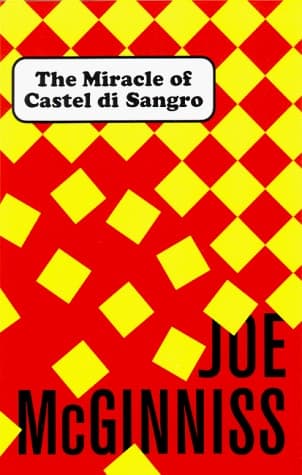
The Miracle of Castel Di Sangro
by Joe McGinniss
McGinniss embeds himself with an Italian third-division soccer team for an entire season, giving you the granular, on-the-ground perspective that Lewis's reference book can only hint at. You get the same appetite for team profiles and match analysis, but filtered through actual relationships, locker room dynamics, and the messy human reality behind those statistics and line-ups you were reading about.
View bookAbout Michael Lewis
M
Michael Lewis
Born 1962
Biography coming soon.
View author page