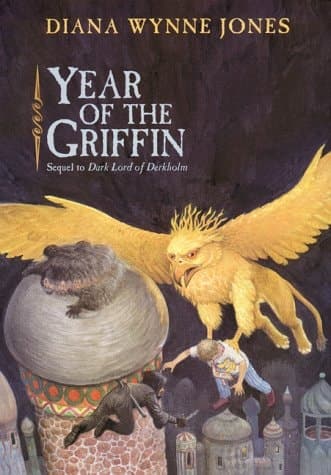
Synopsis
It is eight years after the tours from offworld have stopped. High Chancellor Querida has retired, leaving Wizard Corkoran in charge of the Wizards' University. Although Wizard Corkoran's obsession is to be the first man on the moon, and most of his time is devoted to this project, he decides he will teach the new first years himself in hopes of currying the favor of the new students' families -- for surely they must all come from wealth, important families -- and obtaining money for the University (which it so desperately needs). But Wizard Corkoran is dismayed to discover that one of those students -- indeed, one he had such high hopes for, Wizard Derk's own daughter Elda--is a hugh golden griffin, and that none of the others has any money at all. Wizard Corkoran's money-making scheme backfires, and when Elda and her new friends start working magic on their own, the schemes go wronger still. And when, at length, Elda ropes in her brothers Kit and Blade to send Corkoran to the moon...well...life at the Wizards' University spins magically and magnificently out of control. This breathtakingly brilliant sequel to "Dark Lord of Derkholm" is all one would expect from this master of genre. Books for the Teen Age 2001 (NYPL) andBest Children's Books 2000 (PW)
Recommendations
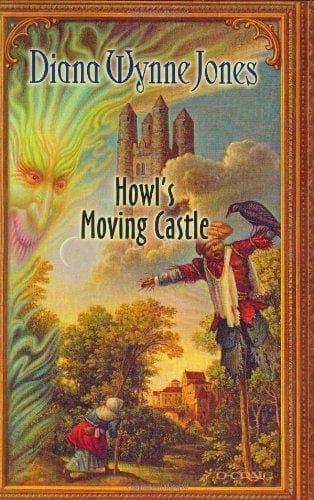
Howl's Moving Castle
by Diana Wynne Jones
Wait—I know you just finished Jones, but hear me out: if you haven't read this one yet, it's essential. The way she builds a world where magic operates on its own peculiar logic, where characters constantly scheme and counter-scheme while the actual plot spirals into delightful chaos, is exactly what made Year of the Griffin sing. Plus, the found-family dynamic among misfits learning to work together mirrors Elda's crew perfectly.
View book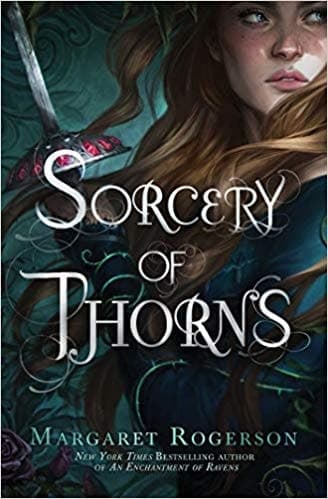
Sorcery of Thorns
by Margaret Rogerson
Rogerson captures that same balance Jones does—where the stakes genuinely matter but the characters' bickering and incompetence keep things from ever feeling heavy-handed. There's a magical university, a protagonist who's not what she seems, and a plot that hinges on characters learning to trust each other while everything around them catches fire (sometimes literally). The tone shifts between genuine peril and moments where you're laughing at how spectacularly things go wrong.
View book![Cover of Giovanni Ba[t]tista Piranesi The Prisons (le Carceri)](/_next/image?url=https%3A%2F%2Fcovers.whatshouldireadnext.com%2Feditions%2F9780486215402%2Flg.jpg&w=3840&q=75)
Giovanni Ba[t]tista Piranesi The Prisons (le Carceri)
by Giambattista Piranesi
This is my surprise pick—it's literary fantasy rather than adventure fantasy, but Clarke does something Jones also does brilliantly: she trusts readers to piece together the rules of an impossible world without spelling everything out. Where Year of the Griffin delights in magical mishaps and escalating schemes, Piranesi delights in slowly revealing what's actually real. Both feel like puzzles where the pleasure is in discovery rather than prediction.
View book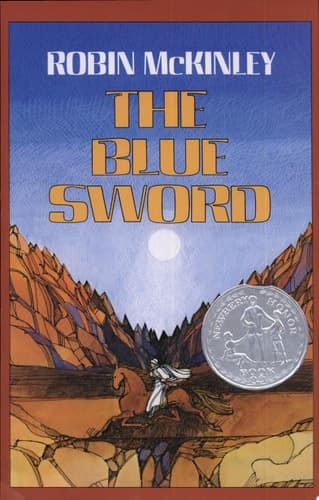
The Blue Sword
by Robin McKinley
McKinley writes with the same generous attention to character that Jones does—her protagonist, like Elda, is caught between worlds and must figure out who she is while learning magic on the fly. There's less comedy here than in Year of the Griffin, but the same sense that a young person's competence and stubbornness can genuinely reshape their world. Published in 1982, it's from an earlier era of fantasy but feels remarkably fresh.
View book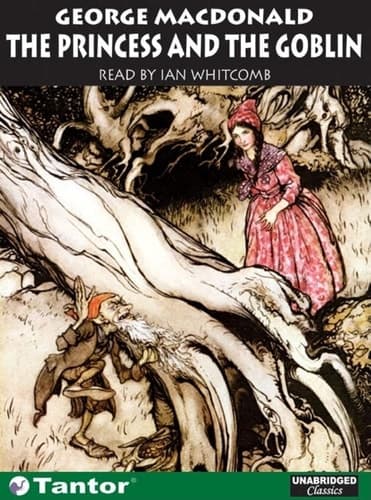
The Princess and the Goblin
by George MacDonald
Addison shares Jones's gift for making institutional chaos feel both hilarious and touching—her protagonist stumbles into power unprepared, surrounded by people with their own agendas, and must navigate byzantine rules while remaining fundamentally decent. Like Corkoran's schemes unraveling in Year of the Griffin, the plot here thrives on misunderstandings and people working at cross-purposes, but with genuine warmth underneath the absurdity.
View bookAbout Diana Wynne Jones
D
Diana Wynne Jones
1934–2011
A British writer, principally of fantasy novels for children and adults as well as a small amount of non-fiction.
View author page