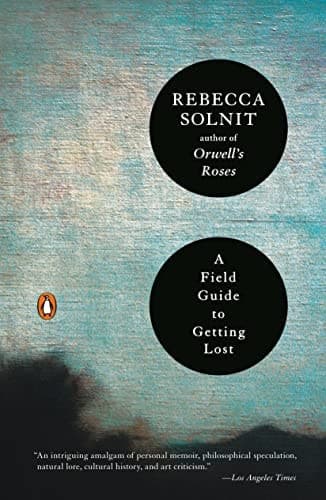
A Field Guide to Getting Lost
Rebecca SolnitPublished2006
Pages224
Formatpaperback
PublisherNational Geographic Books
Synopsis
Whether she is contemplating the history of walking as a cultural and political experience over the past two hundred years (Wanderlust), or using the life of photographer Eadweard Muybridge as a lens to discuss the transformations of space and time in late nineteenth-century America (River of Shadows), Rebecca Solnit has emerged as an inventive and original writer whose mind is daring in the connections it makes. A Field Guide to Getting Lost draws on emblematic moments and relationships in Solnit's own life to explore the issues of wandering, being lost, and the uses of the unknown. The result is a distinctive, stimulating, and poignant voyage of discovery.
BACKCOVER:
"A meditation on the pleasures and terrors of getting lost"—The New Yorker
"This indispensable California writer's most personal book yet."—San Francisco Chronicle ...
Recommendations
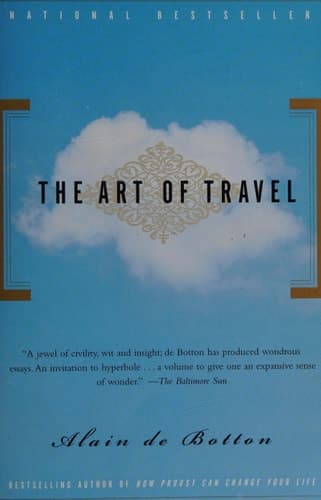
The Art of Travel
by Alain De Botton
De Botton shares Solnit's gift for mining philosophical insight from physical movement and displacement, but he approaches it through a more structured lens—examining how different artists and thinkers have processed travel. Where Solnit embraces the poetry of not knowing, de Botton investigates what we're actually seeking when we wander, making this a natural intellectual companion that deepens rather than repeats her inquiry.
View book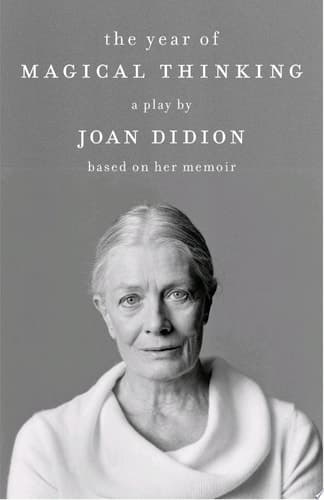
The Year of Magical Thinking A Play by Joan Didion Based on Her Memoir
by Joan Didion
Didion's unflinching account of grief after her husband's sudden death shares Solnit's willingness to use personal experience as a gateway to larger truths, but where Solnit explores productive disorientation, Didion maps the terrain of being genuinely, devastatingly lost. Her precise, almost clinical prose style creates an entirely different emotional register—this is loss as a problem to be analyzed rather than embraced.
View book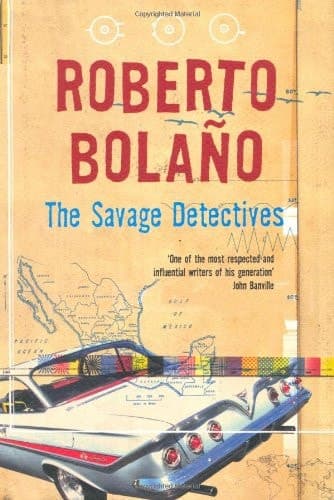
The Savage Detectives A Novel
by Roberto Bolaño
This is your surprise recommendation: a sprawling, formally inventive novel that captures the actual experience of being lost—both literally (following poets across Mexico and Europe) and existentially—in ways that feel closer to Solnit's sensibility than many straightforward essays. Bolaño's structure mirrors the disorientation of his characters; you're never quite sure where the narrative is going, which becomes the point entirely.
View book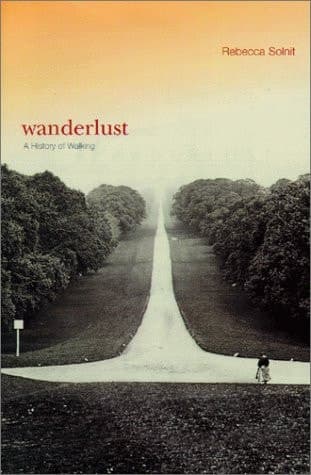
Wanderlust A History of Walking
by Rebecca Solnit
Wait—I notice you may not have read this earlier Solnit work, which actually provides the historical scaffolding for many of the ideas in *A Field Guide*. If you have read it, skip this. But if not, it's worth circling back because Solnit herself references it as foundational; seeing how she builds from walking-as-history to walking-as-personal-philosophy will deepen your appreciation of both books.
View book
Blackberries in the Dream House
by Diane Frank
Machado uses fragmented, genre-bending forms (memoir, fairy tale, essay, screenplay) to explore a relationship that was simultaneously intimate and disorienting—she's doing what Solnit does, but with the added complexity of queer identity and domestic violence. The book's refusal to follow a linear path mirrors the psychological experience of being lost within something that should feel like home, making it a haunting contemporary echo of Solnit's themes.
View bookAbout Rebecca Solnit
R
Rebecca Solnit
Born 1961
A writer who lives in San Francisco. She has written on a variety of subjects including the environment, politics, place, and art.
View author page