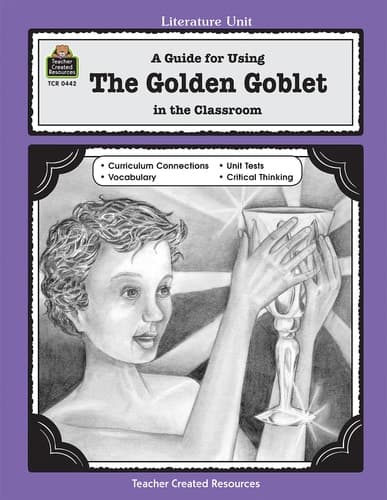
A Guide for Using the Golden Goblet in the Classroom
Mari Lu RobbinsPublished1995
Pages48
Formatpaperback
PublisherTeacher Created Resources, Incorporated
Synopsis
This resource is directly related to its literature equivalent and filled with a variety of cross-curricular lessons to do before, during, and after reading the book. This reproducible book presents an exciting approach to teaching well-known literature! It includes sample plans, author information, vocabulary building ideas, cross-curriculum activities, sectional activities and quizzes, unit tests, and many ideas for culminating and extending the novel.
Recommendations
The Bronze Age in barbarian Europe: From the Megaliths to the Celts
by Jacques Briard
Like The Golden Goblet, Speare grounds her story in meticulous historical detail—ancient Judea instead of ancient Egypt—but what makes this similar is how both authors use a young protagonist's coming-of-age to explore the collision between personal loyalty and larger historical forces. The classroom resource you just finished would work beautifully with this book too, as it has that same rich cross-curricular potential around history, culture, and moral complexity.
View book
I, Claudius
by Robert Graves
This is your leap into a different era—published in 1934, it's a masterclass in how to make ancient Rome feel immediate and political rather than dusty. Where The Golden Goblet uses mystery and adventure to draw readers into Egyptian history, Graves uses dark humor and unreliable narration to make you question everything about power and survival in the Roman court. It's considerably more sophisticated, but if you're ready for that next step, the payoff is substantial.
View book
The Thief
by Megan Whalen Turner
Turner does something clever that echoes what drew you to The Golden Goblet: she builds a world with genuine archaeological and cultural texture, then uses a heist plot to make you care about the details. The twist is that the 'adventure' you think you're reading isn't quite the adventure happening—much like a good classroom discussion might reveal layers you missed on first reading. It's got that same satisfaction of historical authenticity meeting page-turning narrative.
View book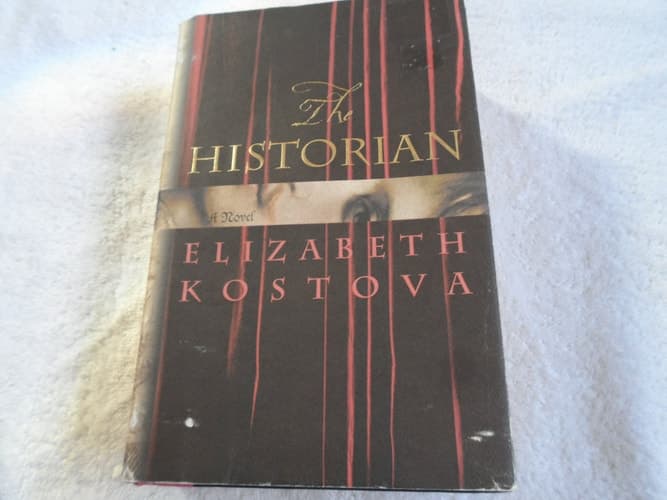
The Historian
by Elizabeth Kostova
Here's your surprise recommendation: it's a literary mystery wrapped around the Dracula legend, but what connects it to your recent read is the obsessive scholarly detective work. Like The Golden Goblet, it's fundamentally about uncovering historical truth, except Kostova layers in atmosphere and ambiguity—you're following academics chasing documents and legends across Eastern Europe rather than adventurers in tombs. It's longer and moodier, but the intellectual puzzle-solving has that same addictive quality.
View bookAbout Mari Lu Robbins
Biography coming soon.
View author page