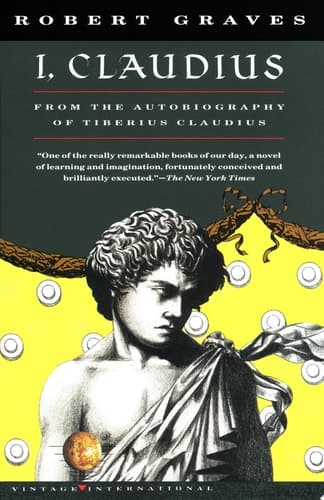
I, Claudius
Robert GravesPublished1989
Pages480
Formatpaperback
PublisherKnopf Doubleday Publishing Group
Synopsis
A modern classic of historical fiction written in the form of Claudius's autobiography.
Tiberius Claudius Drusus Nero Germanicus lived from 10 B.C. to 54 A.D. Despised as a weakling and dismissed as an idiot because of his physical infirmities, Claudius survived the intrigues and poisonings that marked the reigns of Augustus, Tiberius, and the mad Caligula to become emperor of Rome in 41 A.D. The first part of Robert Graves’s two-part account of the life of Tiberius Claudius, I, Claudius stands as a landmark historical novel of the 20th century from one of its great writers.
Recommendations
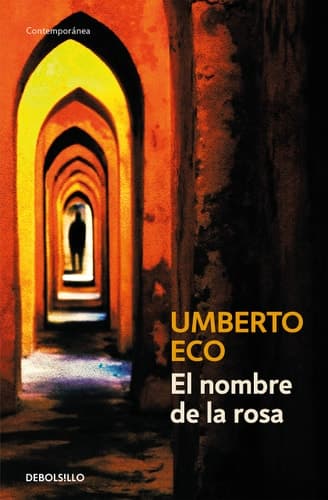
El nombre de la rosa / The Name of the Rose
by Umberto Eco
Like Graves, Eco constructs an entire world through meticulous historical detail and uses a narrator looking back on events with hard-won wisdom. Both novels reward you for paying attention to political machinations and small character moments—the real power lies in how individuals navigate systems larger than themselves, whether that's imperial Rome or a medieval monastery.
View book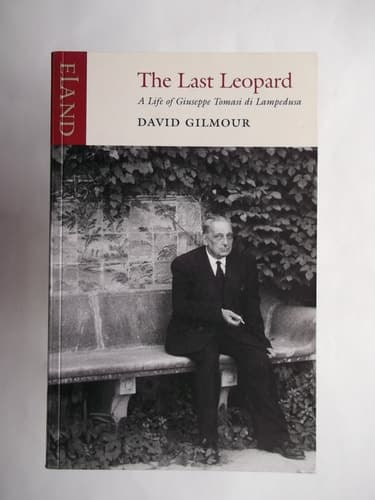
The Last Leopard: A Life of Giuseppe Tomasi di Lampedusa
by David Gilmour
This is a quieter kind of historical novel than *I, Claudius*—less about survival and poisonings, more about watching an entire world dissolve. But Lampedusa shares Graves's gift for making you feel the weight of history pressing down on individual lives, and his Sicilian aristocrat has that same wry, observant voice as Claudius, watching everything change while remaining fundamentally himself.
View book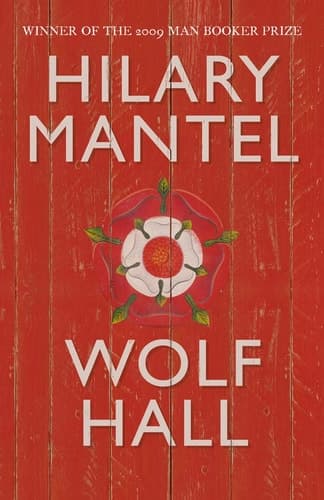
Wolf Hall
by Hilary Mantel
Mantel does for Tudor England what Graves did for imperial Rome—she makes you inhabit the mind of a man navigating deadly court politics with intelligence and restraint. The prose style is denser and more modern than Graves, but that same sense of watching powerful people scheme while your protagonist calculates several moves ahead will feel deeply familiar.
View book
The Apocalyptic Vision of Mikhail Bulgakov's the Master and Margarita (Studies in Slavic Language & Literature)
by Edward E. Ericson
Here's your left-turn recommendation: this 1960s Russian novel has nothing to do with Rome on the surface, but it shares *I, Claudius*'s obsession with how truth survives in systems built on lies and fear. Bulgakov weaves together a story set in Pontius Pilate's Jerusalem with 1930s Soviet Moscow—the parallel structure lets him explore how power corrupts across centuries, and the prose has that same dark, sardonic humor Graves brings to imperial dysfunction.
View book
Baudolino
by Umberto Eco
A medieval adventurer tells his life story across decades of crusades and empire-building, constantly revising what he's told you as you realize he's an unreliable narrator—sound familiar? Eco plays with historical fiction differently here than in *The Name of the Rose*, treating history almost as a game where stories matter as much as facts. It's got the same pleasure in layered storytelling and the same question at its heart: how do we know what's true?
View bookAbout Robert Graves
Biography coming soon.
View author page