Synopsis
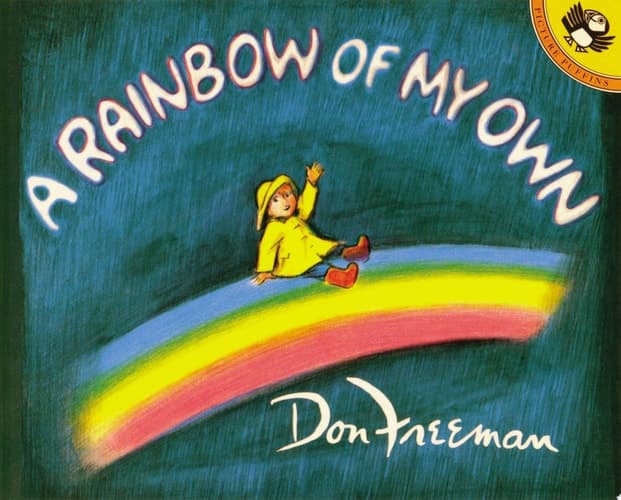
A small boy imagines what it would be like to have his own rainbow to play with.
Recommendations
Where the Wild Things Are Holiday Feature Edition
by Maurice Sendak
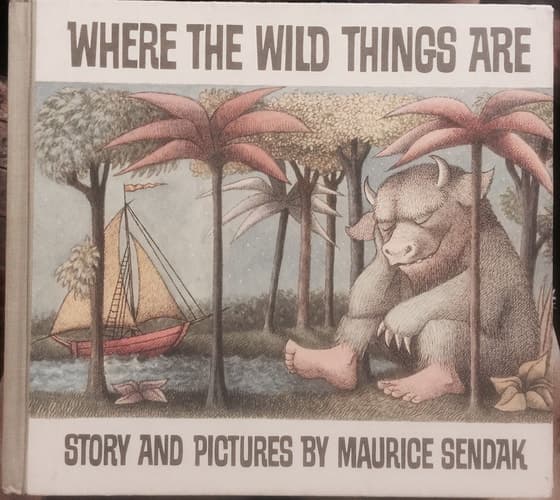
Like Freeman's boy with his rainbow, Sendak's Max enters a space where imagination becomes tangible and playable—but Sendak takes it further into genuine emotional territory, showing how fantasy can be both liberating and ultimately something we need to return from. Both books capture that specific magic of childhood where the boundary between pretend and real feels wonderfully permeable.
View book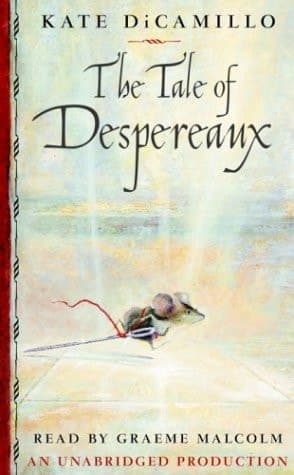
The Tale of Despereaux
by Kate DiCamillo
DiCamillo writes with Freeman's gentle warmth but adds layers—her mouse protagonist pursues something beautiful (a princess, light, forgiveness) the way Freeman's boy pursues his rainbow, and she explores what happens when you're brave enough to want something magical in a world that seems designed to crush such longings. It's whimsical without being saccharine, and deeply moving.
View book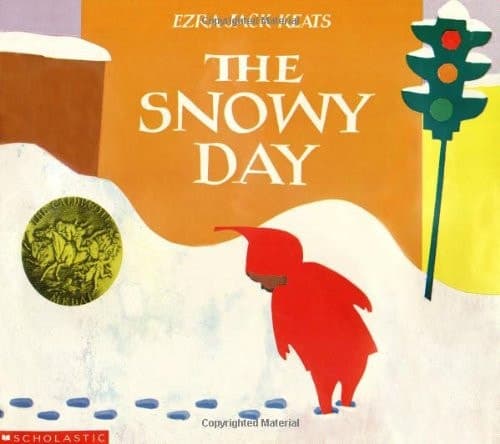
The Snowy Day
by Ezra Jack Keats
Keats, like Freeman, understands that a child's joy comes from simple, sensory engagement with the world—but where Freeman's boy chases something ephemeral, Keats's Peter finds endless possibility in snow itself. The collage technique gives it a different visual texture than Freeman's pen-and-ink, and it's from the 1960s, so you'll see how the picture-book form evolved in that decade.
View book
The Phantom Tollbooth
by Norton Juster
Here's the surprise pick: Juster takes the imaginative-journey concept and weaponizes it as satire—his boy Milo travels through a landscape where words and numbers are literal, puns have physical consequences, and learning becomes an adventure. It shares Freeman's sense of play but adds wordplay and philosophical wit that'll make you laugh at jokes that work on multiple levels simultaneously.
View book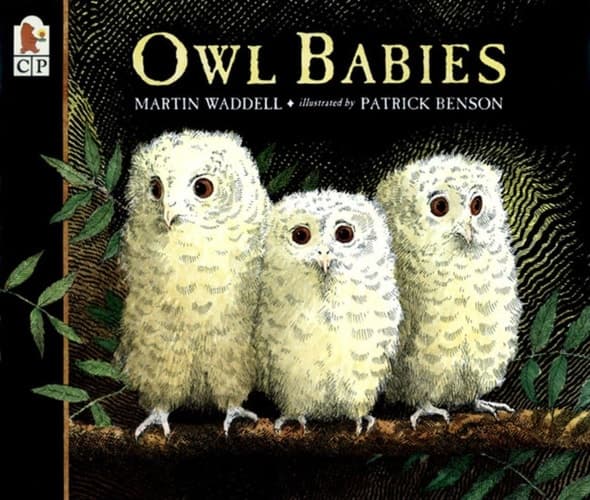
Owl Babies
by Martin Waddell
Waddell captures Freeman's ability to find profound emotion in simple situations—three baby owls waiting for their mother becomes a meditation on fear, trust, and reassurance. The illustrations by Patrick Benson have that same economical beauty as Freeman's work, and there's a quiet wisdom here about how children process the world that feels like a natural companion to Freeman's exploration of imagination.
View bookAbout Don Freeman
D
Don Freeman
1908–1978
Don Freeman was born in San Diego, California. He attended high school in St. Louis, and then studied graphic design at the Art Students League in New York City.
View author page