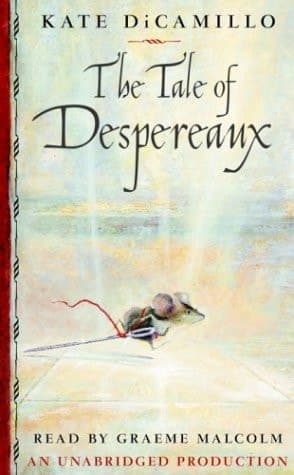
Synopsis
This is the story of Desperaux Tilling, a mouse in love with music, stories, and a princess named Pea. It is also the story of Miggery Sow, a slow-witted serving girl with a simple, impossible wish. These characters are about to embark on a journey that will lead them down into a horrible dungeon, up into a glittering castle, and ultimately, into each other's lives.
And what happens then?
Listeners, it is your destiny to find out.
Recommendations
The Thief
by Megan Whalen Turner
Turner shares DiCamillo's gift for unreliable narration that makes you want to immediately reread once you understand what's really happening. Like Despereaux, this features a protagonist whose journey through imprisonment and betrayal leads to unexpected grace, but Turner withholds crucial information in a way that transforms your understanding of the entire story on a second pass.
View book
The House with a Clock in Its Walls
by John Bellairs
Published in 1973, Bellairs captures that same enchanted-melancholy tone where magic feels both wondrous and genuinely dangerous. His protagonist discovers a world of hidden depths beneath ordinary surfaces—much like how Despereaux's small mouse heart contains an entire universe of feeling—and the book trusts young readers to sit with genuine dread alongside moments of beauty.
View book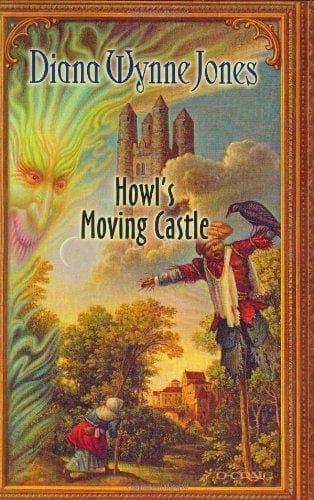
Howl's Moving Castle
by Diana Wynne Jones
Jones writes with the same narrative playfulness DiCamillo uses—there's a storyteller's voice that addresses you directly, and characters who seem minor reveal themselves to be central. Both books feature protagonists who discover their own worth through connection with someone seemingly beyond their reach, and both treat romantic love as genuinely transformative rather than sentimental.
View book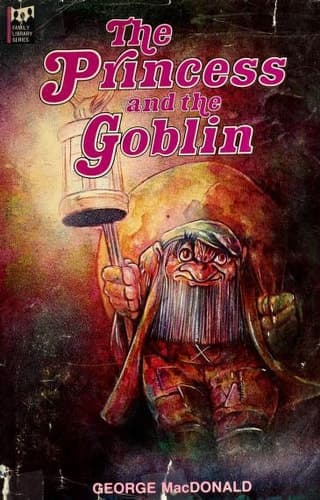
The Princess and the Goblin
by George MacDonald
This might seem like a surprise pick for someone who loved Despereaux, but Addison does something similar with a protagonist whose gentleness and capacity for love become his greatest strength in a world that expects cruelty. Like DiCamillo, Addison never punishes her character for being kind, and she builds an entire political fantasy around the radical idea that empathy might actually work.
View book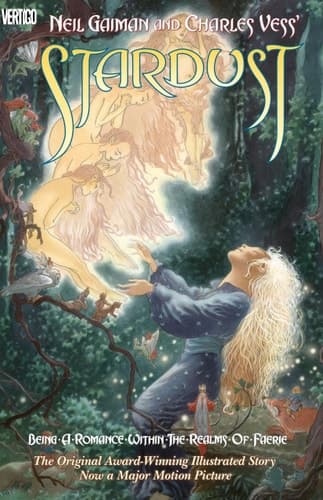
Neil Gaiman and Charles Vess' Stardust
by Neil Gaiman
Gaiman structures this like a fairy tale that knows it's a fairy tale—there's that same storybook quality to DiCamillo's prose, but Gaiman adds a layer of knowing irony about the genre itself. Both feature quests driven by love that transform the seeker as much as the sought, and both understand that the most powerful magic is often found in vulnerability rather than power.
View bookAbout Kate DiCamillo
K
Kate DiCamillo
Born 1964
Biography coming soon.
View author page