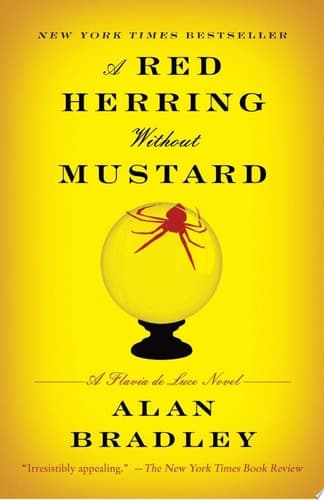
Synopsis
Award-winning author Alan Bradley returns with another beguiling novel starring the insidiously clever and unflappable eleven-year-old sleuth Flavia de Luce. The precocious chemist with a passion for poisons uncovers a fresh slew of misdeeds in the hamlet of Bishop's Lacey--mysteries involving a missing tot, a fortune-teller, and a corpse in Flavia's own backyard.
Flavia had asked the old Gypsy woman to tell her fortune, but never expected to stumble across the poor soul, bludgeoned in the wee hours in her own caravan. Was this an act of retribution by those convinced that the soothsayer had abducted a local child years ago? Certainly Flavia understands the bliss of settling scores; revenge is a delightful pastime when one has two odious older sisters. But how could this crime be connected to the missing baby? Had it something to do with the weird sect who met at the river to practice their secret rites? While still pondering the possibilities, Flavia stumbles upon another corpse--that of a notorious layabout who had been caught prowling about the de Luce's drawing room.
Pedaling Gladys, her faithful bicycle, across the countryside in search of clues to both crimes, Flavia uncovers some odd new twists. Most intriguing is her introduction to an elegant artist with a very special object in her possession--a portrait that sheds light on the biggest mystery of all: Who is Flavia?
As the red herrings pile up, Flavia must sort through clues fishy and foul to untangle dark deeds and dangerous secrets.
Recommendations

Mary Wollstonecraft and the Feminist Imagination
by Barbara Taylor
Like Flavia, your protagonist here is a brilliant young girl in Victorian England who solves crimes through unconventional methods—except this time it's Ada Lovelace and Mary Shelley as children, using mathematics and logic rather than chemistry. Stratford captures that same blend of precocious intelligence, period detail, and genuine mystery that makes Flavia so irresistible, but adds the extra layer of real historical figures.
View book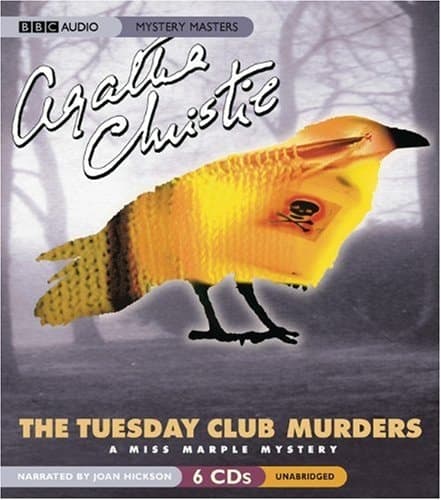
The Tuesday Club Murders
by Agatha Christie
This might seem like a departure—it's about retirees rather than a preteen—but Osman writes mysteries with the same playful misdirection and genuine warmth that Bradley brings to Flavia's world. The puzzle-box plotting and the way characters' hidden depths slowly unfold will feel familiar, and there's that same sense that the real mystery is often about understanding people rather than just solving crimes.
View book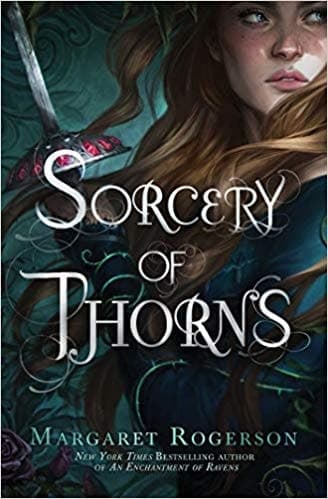
Sorcery of Thorns
by Margaret Rogerson
Here's your genre-bending pick: it's a fantasy novel, but it operates like a mystery thriller with a brilliant, curious protagonist who learns through investigation and observation rather than magic. Rogerson builds her world through Flavia-like deduction—noticing details others miss, following threads that seem unconnected—and the pacing has that same page-turning quality where you're always one step behind the truth.
View book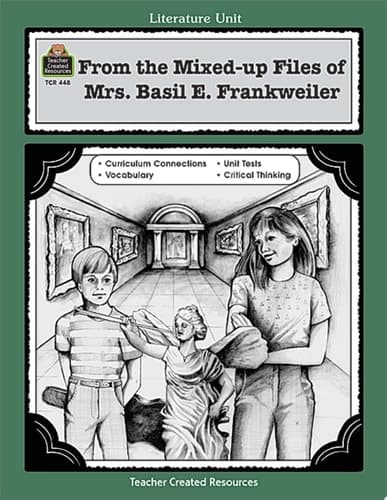
A Guide for Using From the Mixed-up Files of Mrs. Basil E. Frankweiler in the Classroom Based on the Novel Written by E.L. Konigsburg
by Mari Lu Robbins
Published in 1967, this is your vintage recommendation—and it's the spiritual ancestor of Flavia's adventures. Konigsburg writes about children who solve mysteries through curiosity and lateral thinking, set in a richly detailed world (the Metropolitan Museum) that becomes as much a character as the protagonists. The same sense of wonder and the confidence that young minds can unravel complex problems runs through both.
View book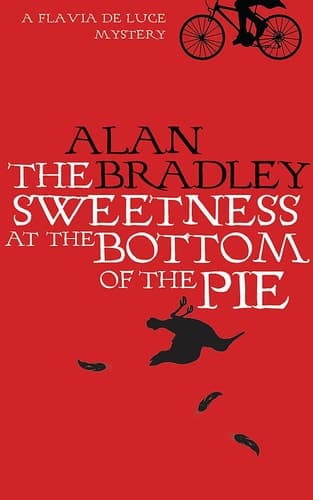
The Sweetness at the Bottom of the Pie
by Alan Bradley
Wait—I know what you're thinking. But if you haven't read the *first* Flavia book, this is essential. And if you have, you already know Bradley's genius. The way he establishes Flavia's voice, her relationship with chemistry, and the mysteries of Bishop's Lacey in this opening novel will deepen your appreciation for where the series goes. It's the foundation that makes everything else work.
View bookAbout Alan Bradley
Biography coming soon.
View author page