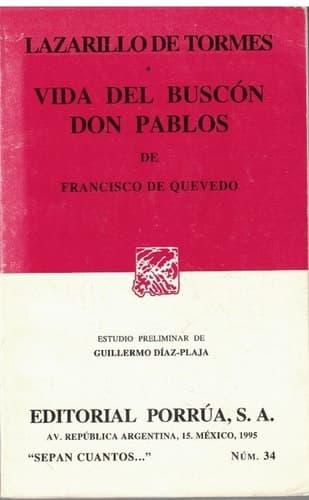
Alicia en el país de las maravillas ; Al otro lado del espejo
Lewis CarrollPublished1978
Pages166
Formatpaperback
PublisherEditorial Porrúa
Synopsis
Aimed at young readers, this adventure-themed collection of adapted classic books will entertain youngsters with characters and storylines that seek to foster their love for reading. These classics are a great way for young readers to start building their very own library. Orientado al pu blico infantil-juvenil, esta coleccio n de obras cla sicas de aventura busca entretener a lectores jo venes con personajes e historias que fomentara n su amor por la lectura. Estos libros cla sicos son la manera perfecta para que los jo venes empiecen su propia biblioteca.
Recommendations
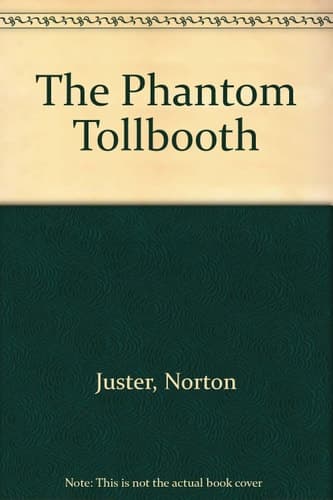
The Phantom Tollbooth
by Norton Juster
Like Carroll, Juster builds an entire world on linguistic wordplay and logic puzzles—but where Alice tumbles down a rabbit hole, Milo drives through a mysterious tollbooth into kingdoms where homonyms become literal obstacles and puns reshape reality. You'll recognize that same delightful sense that the author is having as much fun with language as you are.
View book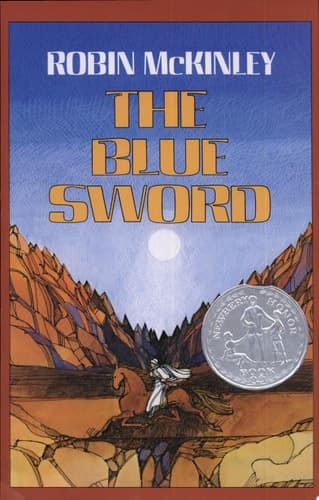
The Blue Sword
by Robin McKinley
McKinley gives you that same sense of a capable young person navigating an unfamiliar world with its own rules and customs, but she grounds it in a richer emotional landscape—Harry's journey has real stakes and consequences that Alice's dream-logic doesn't quite allow. The pacing has that same propulsive quality, moving you from one discovery to the next without letting you catch your breath.
View book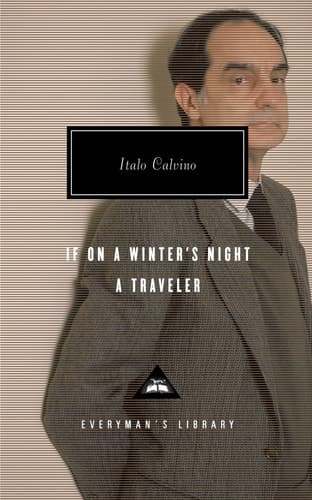
If on a Winter's Night a Traveler Introduction by Peter Washington
by Italo Calvino
This is the curveball recommendation, but hear me out: Calvino plays with narrative structure and reader expectation the way Carroll plays with logic and language. You're constantly shifted between different stories, different worlds, different rules—it's disorienting in the best way, and it trusts you to enjoy the confusion rather than demanding you solve it. Published in 1979, it shows how Carroll's playfulness evolved in later experimental fiction.
View book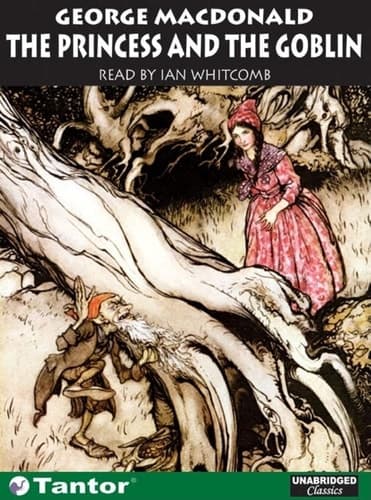
The Princess and the Goblin
by George MacDonald
Where Carroll's Wonderland operates on dream-logic, Addison builds a fantasy court with intricate social rules that the protagonist must learn to navigate—there's that same sense of entering a world with its own peculiar customs and hierarchies. The tone is gentler than Carroll's sometimes-biting satire, but the fundamental pleasure is identical: watching someone figure out how things work in an unfamiliar place.
View book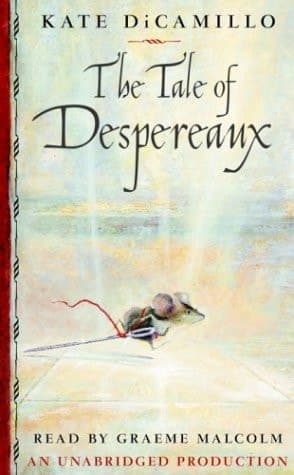
The Tale of Despereaux
by Kate DiCamillo
DiCamillo writes with Carroll's gift for mixing the absurd with genuine emotion—a mouse in love with a princess, a rat seeking redemption—but she layers in a narrator who directly addresses you, commenting on the story as it unfolds. It has that same sense of a storyteller delighting in their own tale, inviting you to be charmed by the sheer audacity of the premise.
View bookAbout Lewis Carroll
L
Lewis Carroll
1832–1898
Lewis Carroll is well known throughout the world as the author of Alice's Adventures in Wonderland and Through the Looking-Glass. Behind the famous pseudonym was Charles Lutwidge Dodgson, a mathematical lecturer at Oxford University with remarkably diverse talents. ([Source][1].) [1]: http://lewiscarrollsociety.org.uk/pages/lewiscarroll/life.html
View author page