
Anne Hébert: In Search of the First Garden (Francophone Cultures and Literatures)
Kelton W. KnightPublished1998
Pages122
Formathardcover
PublisherPeter Lang Inc., International Academic Publishers
Synopsis
In the opus of Anne Hébert, reconstruction of the past through memory is ever present. This study traces and examines the manner in which Hébert employs memory to effect this reconstruction, how memory serves to bridge the gap between what was and what is, and how this link becomes the mechanism most essential to the complete understanding of her poetics, her characters, and the role she herself plays in the creative process.
Recommendations

The Book of Disquiet
by Fernando Pessoa
Like Hébert's excavation of memory, Pessoa constructs identity through fragmented recollection and introspection—except here the narrator is deliberately fractured across multiple selves. You'll find the same meditative quality, where the act of remembering becomes as important as what's remembered, and the past isn't recovered so much as reimagined through the lens of present consciousness.
View book
The Savage Detectives A Novel
by Roberto Bolaño
Bolaño shares Hébert's obsession with how memory and narrative interweave to create meaning, but he approaches it through a labyrinthine structure that mirrors how memory actually works—non-linear, contradictory, obsessive. The novel reads like an archaeological dig through literary history and personal history simultaneously, where you're constantly reconstructing what 'really' happened from competing testimonies.
View book
Toni Morrison - Beloved
by Carl Plasa
Morrison uses memory as a haunting force—literally—to bridge past trauma and present survival, much like Hébert's framework, but with the added dimension of collective historical trauma. The way she weaves together fragmented recollections to build a character's inner world demonstrates how memory doesn't just reconstruct the past; it actively shapes who we become.
View book
Virginia Woolf: The Waves
by Eric Warner
This 1931 novel predates Knight's study by decades, but it's essential for understanding Hébert's lineage—Woolf pioneered the technique of using memory and consciousness as the primary narrative material. Her six characters' interwoven monologues create something like a collective memory, where individual recollections build toward something larger and more mysterious about human connection and time.
View book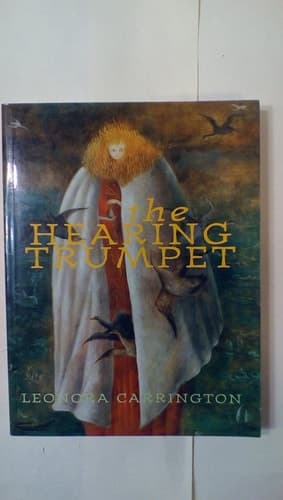
The Hearing Trumpet
by Leonora Carrington
Here's your surprise: a surrealist novella that approaches memory and reconstruction through dreamlike, almost whimsical imagery rather than introspection. Yet Carrington does something Hébert-adjacent—she uses the unreliability of an elderly narrator's perceptions to explore how we construct meaning from fragmented experience. It's lighter in tone but equally concerned with how the past becomes present through imagination.
View bookAbout Kelton W. Knight
Biography coming soon.
View author page