
Synopsis
A story of betrayal, love, violent death, and hope set amidst the political and emotional turmoil of Achebe's native Nigeria
Recommendations
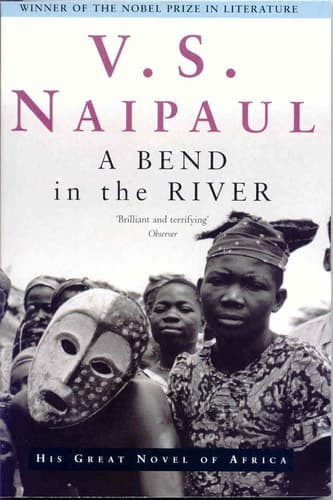
A Bend in the River
by V. S. Naipaul
Naipaul captures that same suffocating sense of political instability and personal displacement that Achebe renders so vividly in Nigeria—but through the eyes of an outsider navigating an unnamed African nation. Where Achebe gives you the interior emotional weight of betrayal, Naipaul shows you how individuals become trapped by forces larger than themselves, with prose that's equally unsparing about human weakness.
View book
The Apocalyptic Vision of Mikhail Bulgakov's the Master and Margarita (Studies in Slavic Language & Literature)
by Edward E. Ericson
This 1960s Soviet novel operates on a completely different register than Achebe—it's fantastical, darkly comic, almost hallucinatory—yet it shares that same urgent need to tell truth about power and corruption in a system designed to silence dissent. The way Bulgakov weaves together multiple timelines and realities to expose hypocrisy feels like a formal answer to the question Achebe asks: how do you write honestly when the world around you demands complicity?
View book
Half of a Yellow Sun
by Chimamanda Ngozi Adichie
Adichie is working in the tradition Achebe established, but she's asking different questions about Nigeria during the Biafran War—particularly about how women experience political collapse and how love becomes both refuge and casualty. Her narrative structure, moving between perspectives and time periods, creates a kind of emotional archaeology that complements Achebe's more direct moral reckoning.
View book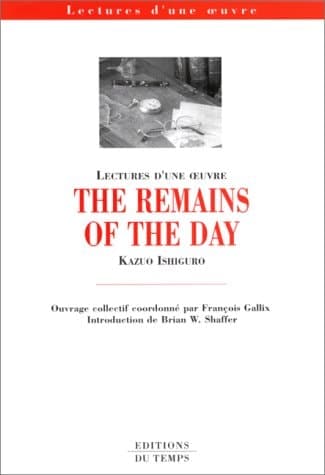
The remains of the day de Kazuo Ishiguro
by Gallix/François
Here's the surprise: this English country-house novel shares Achebe's fascination with how individuals rationalize complicity with corrupt systems. Ishiguro's butler Stevens is performing loyalty the way Achebe's characters perform obedience to power—and both authors understand that the tragedy isn't just what's lost, but how people convince themselves the loss was necessary. The restraint of Ishiguro's prose does what Achebe's directness does: it makes silence speak.
View book
Salman's End Exposing the Absurdity of the "Satanic Verses" by Salman Rushdie
by Isfendiyar Halil Eralp
Rushdie's maximalist, myth-infused approach to postcolonial experience creates a wild counterpoint to Achebe's measured realism—but both writers are wrestling with how colonialism, migration, and cultural displacement fracture identity and belonging. Where Achebe shows you the cost of political betrayal, Rushdie shows you how people survive by fragmenting themselves, by becoming multiple selves. It's denser, stranger, but equally urgent about what's at stake.
View bookAbout Chinua Achebe
Biography coming soon.
View author page