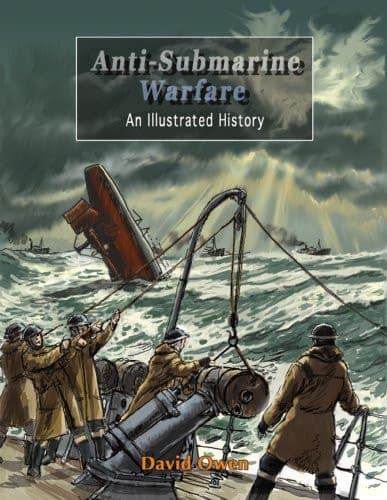
Anti-submarine Warfare An Illustrated History
David OwenPublished2007
Pages224
Formathardcover
PublisherNaval Institute Press
Synopsis
"That the submarine was usually defeated is a hugely important story in naval history, yet this is the first book to treat the subject as a whole in a readable and accessible manner. It concerns individual heroism and devotion to duty, but also ingenuity, technical advances and originality of tactical thought. What developed was an endless battle between forces above and below the surface, where a successful innovation by one side eventually produced a counter-measure by the other in a lethal struggle for supremacy, Development was not a straight line; ill-judged ideas and assumptions led to defeat and disaster." "So far, close and professional teamwork by scientists, engineers and commanders and crews of ASW aircraft, ships (and, recently, other submarines) have been able to defeat the threat of hostile raiders' hiding in the depths of the world's oceans. But the struggle goes on, and the book concludes with a survey of the most recent developments." "Throughout its pages, well-chosen examples and incidents and a superb collection of photographs and illustrations enliven a narrative which is both informative and highly readable."--BOOK JACKET.
Recommendations
Corporate Predators: The Hunt for Mega-Profits and the Attack on Democracy
by Russell Mokhiber
Grenfell gives you that same cat-and-mouse intensity but from the surface ship perspective—the Bismarck hunt is essentially ASW inverted, with British naval forces tracking a surface raider using intelligence, coordination, and relentless tactical innovation. You'll recognize Owen's theme of technological escalation and human ingenuity, but compressed into a gripping narrative that reads almost like a thriller.
View book
Silent Running
by Don Pendleton
A firsthand account from a submarine commander that gives you the other side of Owen's story—the perspective of those being hunted. Calvert's memoir has that same blend of technical detail and personal heroism, but it's intimate in a way a survey history can't be, letting you experience the claustrophobia and ingenuity from inside the boat.
View book
The New Additive Code Breaker Everything You Should Know about Additives in Your Food
by Maurice Hanssen
Here's your surprise pick: this biography of Jennifer Doudna and CRISPR gene-editing reads like a completely different subject, but it's structurally identical to what fascinated you in Owen's book—the endless cycle of scientific innovation, setback, breakthrough, and counter-innovation, with brilliant minds collaborating across disciplines to solve seemingly impossible problems. The stakes are different, but the intellectual drama is just as compelling.
View book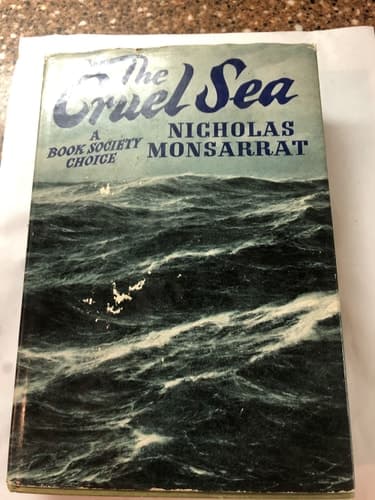
The Cruel Sea
by Nicholas Monsarrat
Published in 1951, this novel captures the emotional and human reality of the ASW campaign that Owen documents historically—you'll see the convoy escorts, the depth charges, the exhaustion, and the camaraderie that statistics can't convey. Monsarrat was there, and his narrative weaves together the technical and the deeply personal in ways that complement Owen's broader historical sweep.
View book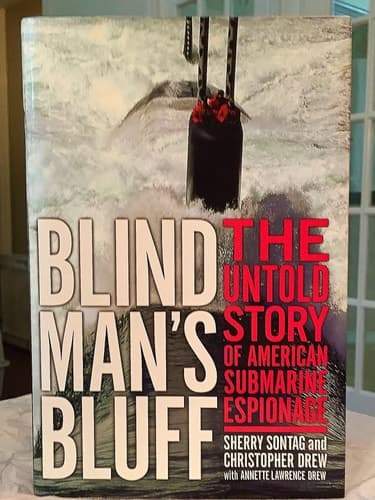
Blind Man's Bluff The Untold Story Of American Submarine Espionage
by Sherry Sontag
Sontag takes Owen's framework of technological cat-and-mouse and extends it into the Cold War undersea intelligence game—you get the same theme of innovation and counter-innovation, but now it's about submarines hunting submarines while trying to remain invisible to each other. It's investigative journalism that reads like espionage fiction, with the same blend of technical detail and dramatic human moments that made Owen's work so gripping.
View bookAbout David Owen
D
David Owen
Died 1622
Biography coming soon.
View author page