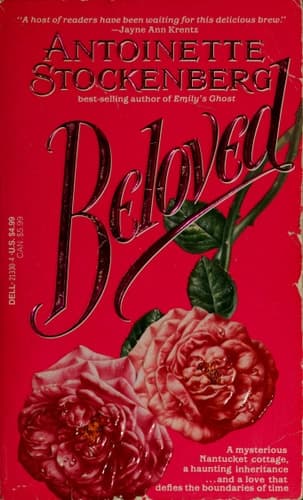
Beloved
Antoinette StockenbergPublished1993
Pages394
Formatpaperback
PublisherRandom House Publishing Group
Synopsis
City-born and -bred, graphic designer Jane Drew sets up house in the ramshackle island cottage she has inherited and is determined to let neither the cottage's resident ghost nor seductive landscaper Mac McKenzie chase her away. Original.
Recommendations
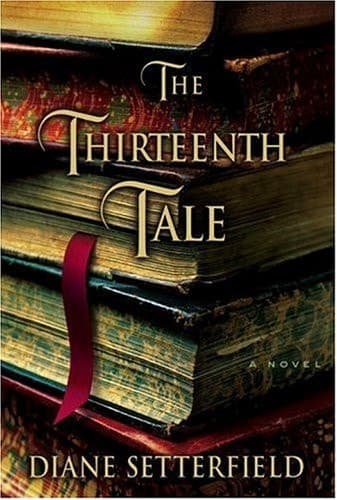
The Thirteenth Tale
by Diane Setterfield
Like Beloved, this novel layers mystery with atmosphere—a woman inherits a connection to a ramshackle house and must uncover secrets that blur the line between the supernatural and the psychological. Setterfield builds that same slow-burn tension where you're never quite sure what's real, what's haunting, and what's simply the weight of the past pressing against the present.
View book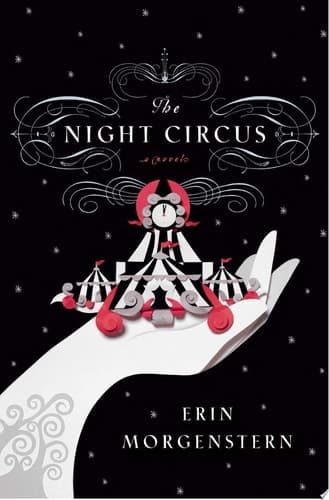
The Night Circus
by Erin Morgenstern
This one's my surprise pick for you—it shares Beloved's romantic tension and supernatural elements, but Morgenstern writes with a dreamlike, almost impressionistic style that makes the magic feel inevitable rather than intrusive. The relationship between the two leads develops with that same careful, charged restraint you get between Jane and Mac, except here the stakes involve actual enchantment.
View book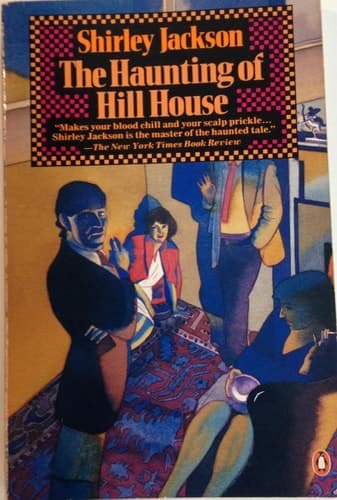
The Haunting of Hill House
by Shirley Jackson
Published in 1959, this is the ancestor of modern ghost stories, and it does something Beloved also does brilliantly: it makes you question whether the house itself is haunted or whether the protagonist's mind is doing the haunting. Jackson's prose is precise and unsettling in ways that feel almost mundane, which is exactly why it works—the horror isn't in jump-scares but in the slow erosion of certainty.
View book
The Destruction of Atlantis Compelling Evidence of the Sudden Fall of the Legendary Civilization
by Frank Joseph
A contemporary literary novel that uses speculative elements (a girl no one can remember) to explore isolation and connection—much like how Stockenberg uses the ghost to examine Jane's resistance to belonging. Okonkwo writes with emotional precision about how we build lives in spaces that don't quite acknowledge us, and there's a quiet romance woven through that feels earned rather than imposed.
View book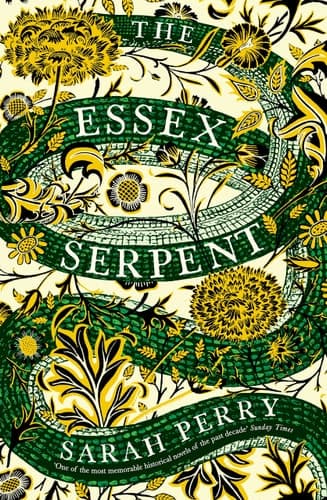
The Essex Serpent
by Sarah Perry
Perry sets a Victorian-era mystery (is there a creature in the Essex marshes?) against a slow-building romance between two people from different worlds, and she writes landscape the way Stockenberg writes that cottage—as a character with its own demands and secrets. The novel has that same quality of a woman determined to stay put despite everything conspiring to uproot her, and the supernatural element serves the emotional truth rather than overshadowing it.
View bookAbout Antoinette Stockenberg
Antoinette Stockenberg is an American novelist.
View author page