Beyond Rational Management Mastering the Paradoxes and Competing Demands of High Performance
Beyond Rational Management Mastering the Paradoxes and Competing Demands of High Performance
Robert E. QuinnPublished1992
Synopsis
Draws together extensive research on leadership, change, and organizational performance to help leaders make sense of the complexities and contradictions of organizational life. Explains how managers can come to see new possibilities for structuring organizations, designing jobs, and solving daily problems by learning to embrace and transcend paradoxes.
Recommendations
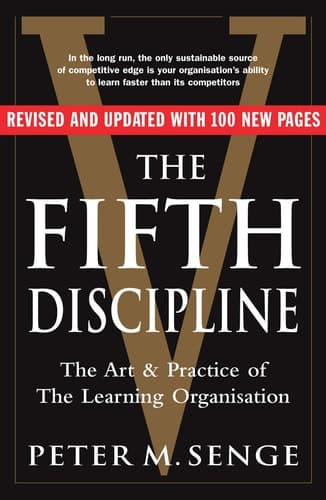
The Fifth Discipline The Art and Practice of the Learning Organization
by Peter M. Senge
Senge takes Quinn's paradox-embracing framework and grounds it in systems thinking—he shows you how to actually build organizations that can hold contradictions (like individual autonomy AND collective purpose) without collapsing. Where Quinn helps leaders think differently, Senge gives you the mental models to restructure how entire organizations learn and adapt.
View book
Finite and Infinite Games
by James P. Carse
This is a philosophical curveball, but it's essential reading for anyone wrestling with Quinn's paradoxes. Carse reframes the entire concept of competition and cooperation through the lens of two types of games—and suddenly all those contradictions Quinn describes (control vs. flexibility, efficiency vs. innovation) become not problems to solve but fundamental tensions to navigate with grace. It's aphoristic and meditative where Quinn is analytical.
View book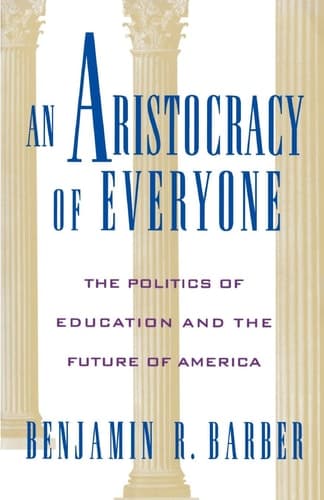
An Aristocracy of Everyone The Politics of Education and the Future of America
by Benjamin R. Barber
Kegan extends Quinn's work by asking: what if we designed organizations where people's personal development and organizational performance weren't competing demands but the same thing? He studied three companies that actually pulled this off, and his research shows how to move from managing paradoxes intellectually (Quinn's insight) to embedding them into daily culture and hiring practices.
View book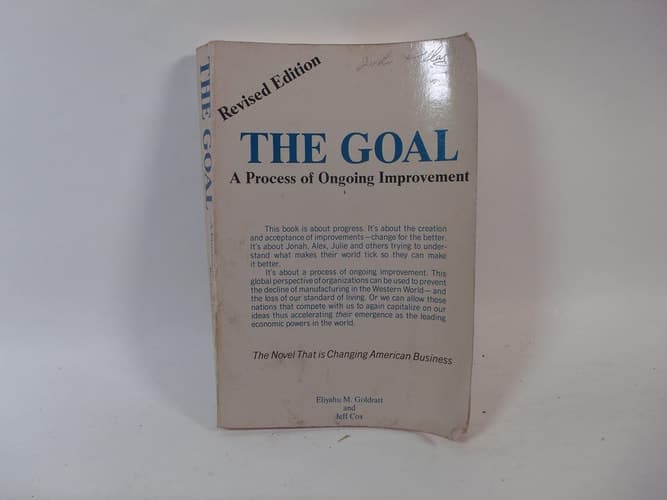
The Goal A Process of Ongoing Improvement
by Eliyahu M. Goldratt
Goldratt teaches through a novel about a plant manager in crisis, which gives this business book a narrative pulse Quinn's research-heavy approach doesn't have. But here's the real connection: Goldratt's Theory of Constraints is essentially about finding and managing the paradoxes in your system—where your bottleneck forces you to think differently about what 'optimization' actually means. It's Quinn's paradoxes made concrete and actionable.
View book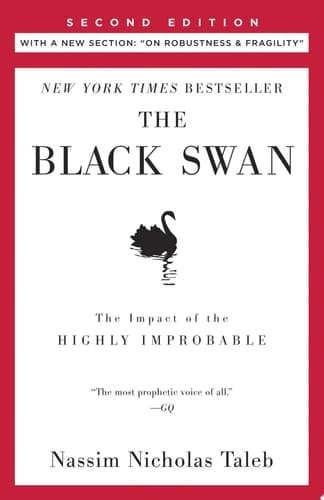
The Black Swan: Second Edition The Impact of the Highly Improbable: With a new section: "On Robustness and Fragility"
by Nassim Nicholas Taleb
Published in 2012, this brings Quinn's 1992 insights into a world obsessed with risk management and prediction—Taleb argues that the organizations and systems that thrive aren't the ones that eliminate paradox and uncertainty, but the ones that are actually strengthened by it. His provocative style and real-world examples (from biology to economics) show why embracing contradiction isn't just philosophically interesting but practically necessary for survival.
View bookAbout Robert E. Quinn
Biography coming soon.
View author page