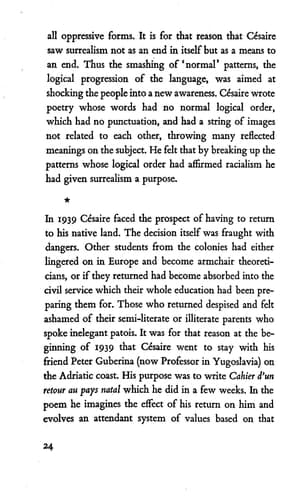
Cahier D'un Retour Au Pays Natal. Return to My Native Land; Translated by John Berger and Anna Bostock; with an Introduction by Mazisi Kunene
Aimé CésairePublished1969
Pages95
Formatpaperback
PublisherPenguin
Synopsis
Text: English, French (translation)
Recommendations
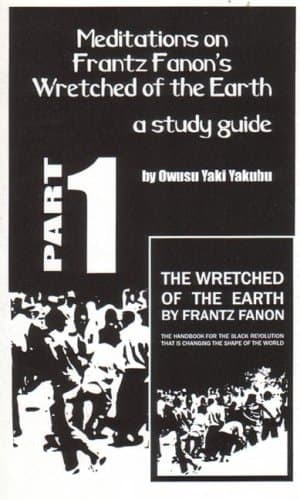
Meditations on Frantz Fanon's Wretched of the Earth, Part One A Study Guide
by Owusu Yaki Yakubu
Fanon's revolutionary text shares Césaire's unflinching examination of colonialism's psychological and spiritual devastation, but approaches it through sociological analysis rather than lyric poetry. If you found yourself moved by Césaire's diagnosis of cultural erasure and the violence of assimilation, Fanon's clinical dissection of the same wounds will feel like reading the X-rays after the poetry—equally urgent, differently illuminating.
View book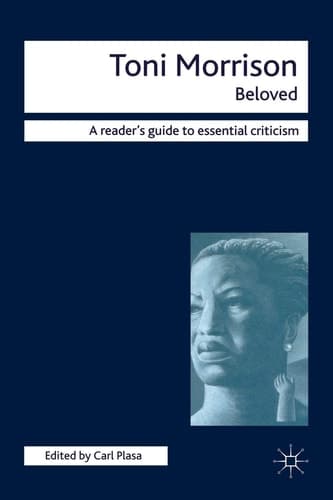
Toni Morrison - Beloved
by Carl Plasa
Morrison channels the same incantatory, spiritually-charged language that Césaire uses to resurrect what colonialism tried to bury, but she's excavating the specific trauma of the Middle Passage and American slavery. The way she weaves ancestral memory into present-day narrative mirrors how Césaire summons the ghosts of Africa through his return—both writers understand that reclamation requires speaking to the dead.
View book
The Apocalyptic Vision of Mikhail Bulgakov's the Master and Margarita (Studies in Slavic Language & Literature)
by Edward E. Ericson
Here's the surprise: Bulgakov's satirical masterpiece shares Césaire's conviction that poetry and imagination are acts of political defiance against oppressive systems. Where Césaire reclaims identity through return, Bulgakov reclaims truth through absurdist narrative—both writers weaponize language itself against regimes that demand silence or compliance. The tonal range is wildly different, but the underlying resistance is identical.
View book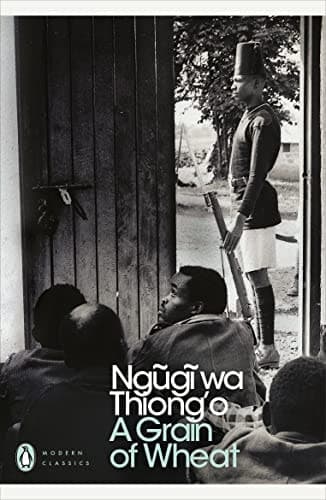
A Grain of Wheat
by Ngugi wa Thiong'o
Ngũgĩ writes from within the Kenyan independence struggle with the same urgent need to document what colonialism has stolen and what decolonization must recover. His narrative technique—fractured, layered, moving between past and present—echoes Césaire's refusal of linear storytelling; both writers understand that colonized consciousness doesn't experience time in neat sequences.
View book
Ralph Ellison - Invisible Man
by Anke Balduf
Ellison's 1952 novel explores the erasure of Black identity within a system designed to render it invisible—the same psychological annihilation Césaire names in his poem, but through the lens of American racism rather than Caribbean colonialism. Both works insist on visibility and voice as acts of survival; both use dense, allusive language to force readers to slow down and witness what the dominant culture wants to ignore.
View bookAbout Aimé Césaire
Biography coming soon.
View author page