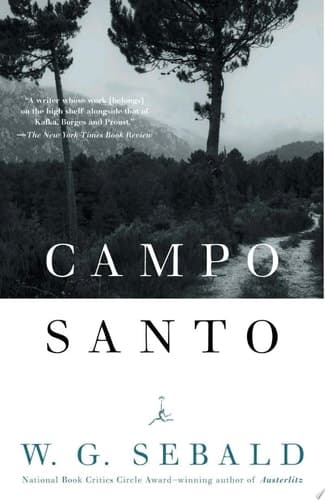
Campo Santo. English
Winfried Georg SebaldPublished2006
Pages240
Formatpaperback
PublisherRandom House Publishing Group
Synopsis
In this final collection of sixteen essays by W. G. Sebald, one of the most elegant and incisive authors of our time, all of his trademark themes are contained-the power of memory and personal history, the connections between images in the arts and life, the presence of ghosts in places and artifacts.
Four pieces pay tribute to the Mediterranean island of Corsica, weaving elegiacally between past and present. In "A Little Excursion to Ajaccio," Sebald visits the birthplace of Napoleon and muses on the hints in his childhood home of a great man's future. Inspired by an Italian cemetery, "Campo Santo" is a reverie on death, ranging from the ambiguity of inscriptions to the size of and adornment of gravestones to the blood-soaked legend of Saint Julien.
Sebald also examines how the works of Gunter Grass and Heinrich Boll reveal "the grave and lasting deformities in the emotional lives" of postwar Germans, how Kafka echoes Sebald's own interest in spirit presences among mortal beings, and how literature can be an attempt at restitution for the injustices of the real world.
Dazzling in its erudition, accessible in its deep emotion, "Campo Santo" confirms Sebald's place beside Proust and Nabokov, great writers who perceive the invisible connections that determine our lives.
Recommendations
The Rings of Saturn
by Winfried Georg Sebald
I know—you've just finished Sebald—but if Campo Santo left you hungry for more of his particular alchemy, this is essential. Where Campo Santo collects essays, Rings of Saturn is a full narrative that does what Sebald does best: a seemingly simple journey becomes an archaeology of memory, loss, and the invisible threads connecting art, history, and personal obsession across centuries.
View book
The Savage Detectives A Novel
by Roberto Bolaño
Bolaño shares Sebald's conviction that literature is an act of rescue—salvaging meaning from historical wreckage—but where Sebald moves elegiacally through essays, Bolaño builds a labyrinthine novel that feels like following ghosts through time. Both writers treat the past as something that haunts the present, and both believe that seemingly minor details (a marginal poet, a forgotten cemetery) contain entire worlds of significance.
View book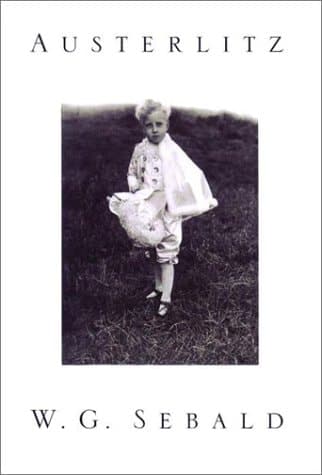
Austerlitz
by W. G. Sebald
Still Sebald, but his masterwork novel rather than essays. This one crystallizes everything Campo Santo touches on—memory, trauma, the way photographs and places carry unbearable weight—into a single, haunting narrative about a man uncovering his own erased history. It's Sebald at his most devastating and most structurally inventive.
View book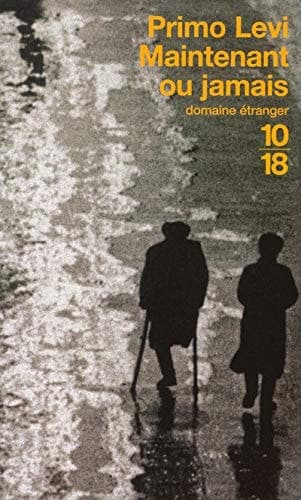
If Not Now, When?
by Primo Levi
Levi, like Sebald, writes from the shadow of European catastrophe, but where Sebald is elegiac and associative, Levi is urgent and narrative-driven. This novel about Jewish partisan resistance during WWII has the same commitment to bearing witness and the same belief that literature must reckon with historical injustice—but it does so through a gripping, almost picaresque story rather than meditation.
View book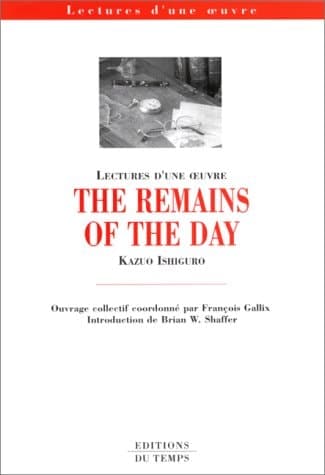
The remains of the day de Kazuo Ishiguro
by Gallix/François
Here's your surprise: a more conventionally plotted novel, but one that works through the same quiet devastation as Sebald. Ishiguro's narrator is slowly, painfully revealing what he's lost through a lifetime of emotional restraint and historical complicity. The way he lets you piece together the tragedy beneath the surface prose mirrors how Sebald finds ghosts in photographs and gravestones—the unspeakable emerges from what's carefully left unsaid.
View bookAbout Winfried Georg Sebald
Biography coming soon.
View author page