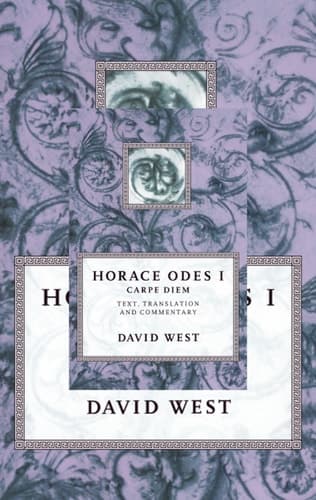
Synopsis
Though Horace is a great poet, much loved and imitated in the past, he is very little read today. This is partly because he has never been translated into readable English that is also faithful to the Latin original. David West here provides such a translation of one of Horace's greatest works, and supports it with a basic commentary that will help newcomers to Horace--whether students or general readers--to understand how the poetry works.
Recommendations
Poetics. English Aristotle on the art of poetry
by 384 BC Aristotle
You've just experienced Horace's mastery of form and compression—now meet the philosopher who gave us the language to understand *why* that compression works. Aristotle's examination of mimesis, catharsis, and dramatic unity will make you see what Horace was doing beneath the surface of those elegant odes, turning your appreciation from emotional to architectural.
View book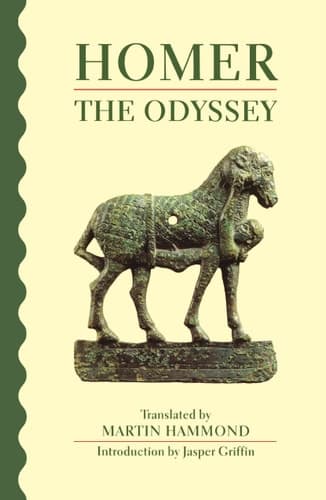
Homer: The Odyssey
by Homer
Horace was steeped in Homer, and reading a vivid modern translation of the *Odyssey*—particularly one that captures the oral storytelling quality—will show you the epic tradition Horace was both honoring and gently subverting in his shorter, more intimate odes. You'll catch the echoes and understand Horace's wit even better.
View book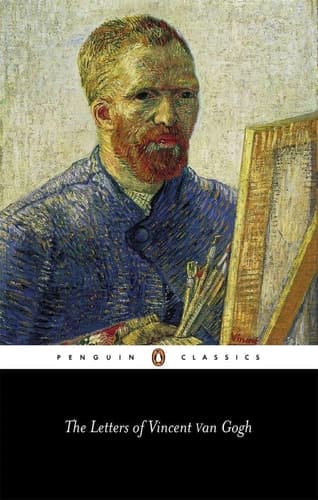
The Letters of Vincent Van Gogh
by Vincent Van Gogh
Here's the surprise: Van Gogh's letters have the same urgent intensity and philosophical compression as Horace's odes—both writers trying to capture something true about living fully in the present moment. Where Horace says it in Latin verse, Van Gogh says it in paint-stained letters to his brother, but the *carpe diem* impulse is identical, just three centuries later and in a completely different medium.
View book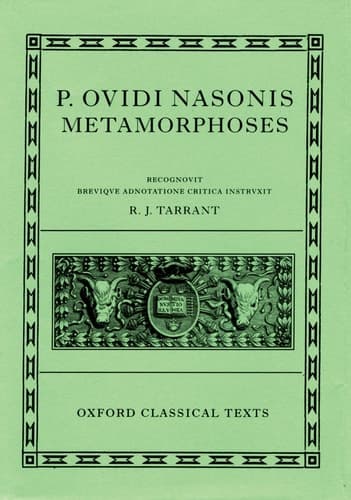
Ovid Metamorphoses
by Ovid
Ovid was Horace's contemporary and rival, and while Horace perfected the art of saying everything in a few perfect lines, Ovid took the opposite approach—luxurious, digressive, endlessly inventive. Reading them together gives you the full spectrum of Roman poetic possibility, and you'll appreciate how differently two brilliant poets could respond to the same classical inheritance.
View bookThe Meditations of Marcus Aurelius Selections Annotated & Explained
The Meditations of Marcus Aurelius Selections Annotated & Explained
by Marcus Aurelius (Emperor of Rome)
Written nearly two centuries after Horace, Marcus Aurelius's personal reflections share Horace's gift for distilling life's essential truths into memorable, quotable wisdom—but in prose rather than verse. Both writers understood that the deepest philosophy isn't abstract; it's about how to actually *live*, and both express that understanding with remarkable clarity and without pretension.
View bookAbout Horace
H
Horace
Born 1951
Biography coming soon.
View author page