
CliffsNotes on Shakespeare's Othello
Helen McCullochPublished2000
Pages114
Formatpaperback
PublisherWiley
Synopsis
The original CliffsNotes study guides offer expert commentary on major themes, plots, characters, literary devices, and historical background. The latest generation of titles in the series also feature glossaries and visual elements that complement the classic, familiar format.Betrayal and manipulation lie at the heart of Othello. Keep up with all the crosses and double-crosses of this tragic play with the CliffsNotes version of the play, which will help you form your own opinions about Iago's schemes, Othello's motives, and Desdemona's loyalty.Other features that help you study include• Background information about the life and times of William Shakespeare to help you understand his influences• A character map that graphically illustrates the relationships among the characters• Glossaries to help you comprehend Shakespeare’s language• Critical essays on the character pairs and major themes of the play• A review section that tests your knowledgeClassic literature or modern modern-day treasure — you'll understand it all with expert information and insight from CliffsNotes study guides.
Recommendations
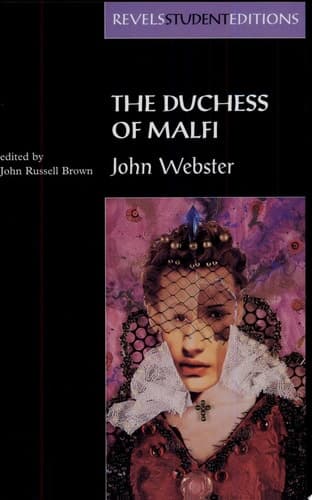
The Duchess of Malfi John Webster
by John Webster
Webster constructs betrayal with the same architectural precision Iago uses—every character becomes a tool in someone else's manipulation, and the tragedy unfolds through whispered accusations and poisoned confidences. Like Othello, this play examines how reputation and appearance can be weaponized against the innocent, but Webster adds a layer of Gothic darkness that makes the psychological warfare even more suffocating.
View book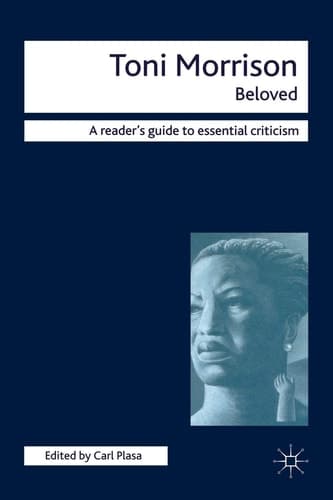
Toni Morrison - Beloved
by Carl Plasa
Morrison takes the Othello template—a protagonist destroyed by forces beyond their control, haunted by what others believe about them—and rewrites it through the lens of slavery and maternal trauma. Where Shakespeare's play examines how prejudice poisons a marriage, Morrison shows how systemic dehumanization poisons the soul itself, and she does it with prose that's as linguistically rich as Shakespeare's verse.
View book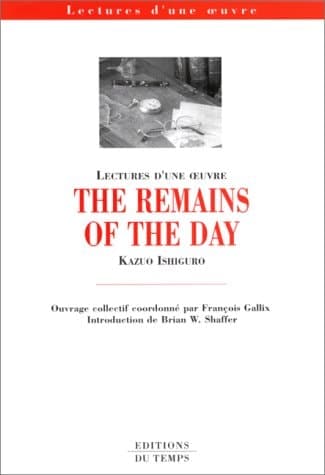
The remains of the day de Kazuo Ishiguro
by Gallix/François
This 1989 novel shares Othello's obsession with self-deception—Stevens, like Othello, is so invested in a particular version of himself that he becomes blind to manipulation happening right in front of him. Ishiguro uses an unreliable narrator the way Shakespeare uses dramatic irony; you'll find yourself piecing together what Stevens refuses to see, much like watching Othello miss Iago's obvious lies.
View book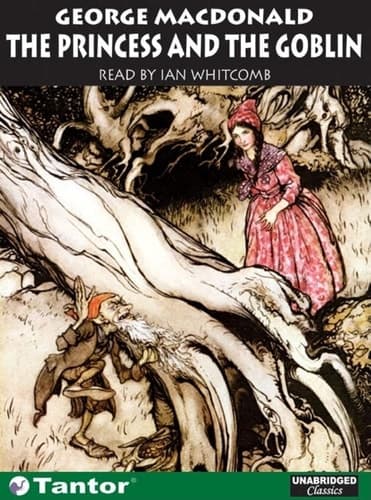
The Princess and the Goblin
by George MacDonald
Here's your genre surprise: a fantasy novel that's essentially about navigating court intrigue and betrayal without the body count. Addison creates a protagonist surrounded by people with hidden agendas—much like Othello's Venice—but explores what happens when someone chooses kindness and careful observation instead of rage. It's a meditation on how to survive in a world of Iagos without becoming one yourself.
View book
Find what the Sailor Has Hidden Vladimir Nabokov's Pale Fire
by Priscilla Meyer
Nabokov constructs an entire tragedy through an unreliable annotator's commentary on someone else's poem—you're watching a man convince himself (and trying to convince you) of a version of events that may be entirely false. It's Othello's jealousy and self-justification transformed into a literary puzzle where the reader becomes complicit in the protagonist's delusion, making it a deeply unsettling experience.
View bookAbout Helen McCulloch
Biography coming soon.
View author page