Synopsis
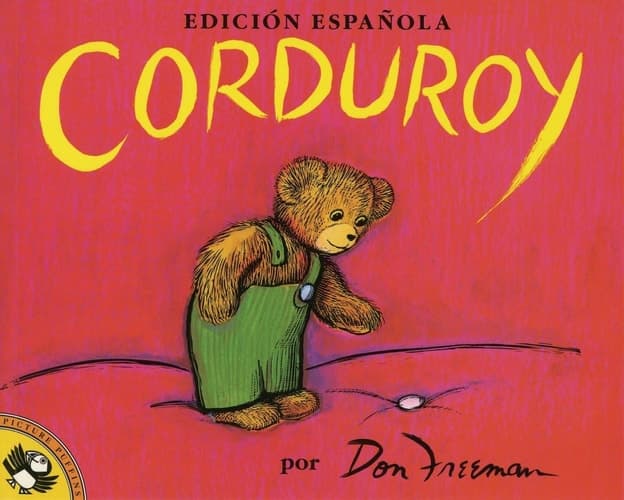
Corduroy, la historia original y favorita de todos en un libro de cartón en español.
Corduroy es un osito que en un tiempo vivió en la juguetería de una tienda grande. Día tras día esperaba junto a los otros animales y muñecas que alguien viniera y se lo llevara a casa.
One of School Library Journal’s "Top 100 Picture Books" of all time (2012)
One of the National Education Association’s "Teachers' Top 100 Books for Children."
Recommendations
The Velveteen Rabbit
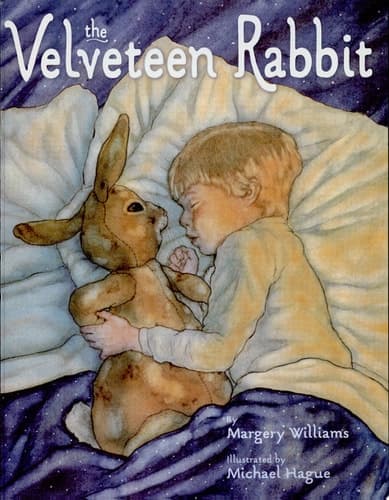
by Margery Williams
Like Corduroy, this is a toy's quiet meditation on belonging and what it means to be loved into realness. Williams shares Freeman's gift for making inanimate objects feel achingly alive—both stories understand that a child's love is the most transformative force in a toy's world, and both arrive at their emotional truths without sentimentality.
View book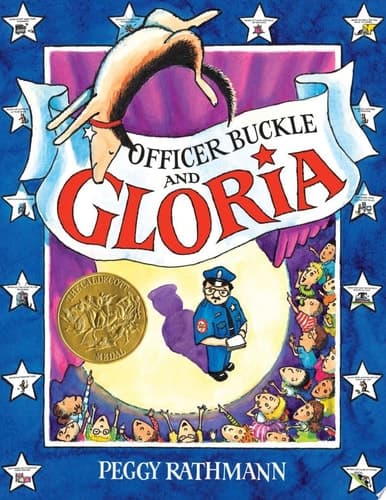
Officer Buckle and Gloria
by Peggy Rathmann
Rathmann captures that same Freeman magic—a character who feels overlooked finding unexpected partnership and purpose. Where Corduroy searches for someone to take him home, Officer Buckle discovers he's been needed all along. The illustrations have that same warm, observant quality that makes you believe completely in these characters' inner lives.
View book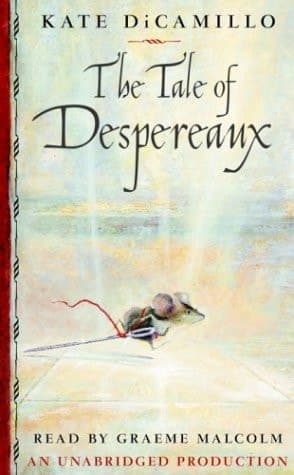
The Tale of Despereaux
by Kate DiCamillo
This is my gentle surprise for you—it's a chapter book rather than a picture book, but DiCamillo writes with Freeman's same belief that small, unlikely characters deserve epic inner lives. A mouse who loves a princess, a rat seeking redemption, a girl learning forgiveness—it's Corduroy's emotional DNA stretched across a larger canvas, with that same conviction that love and longing matter profoundly.
View book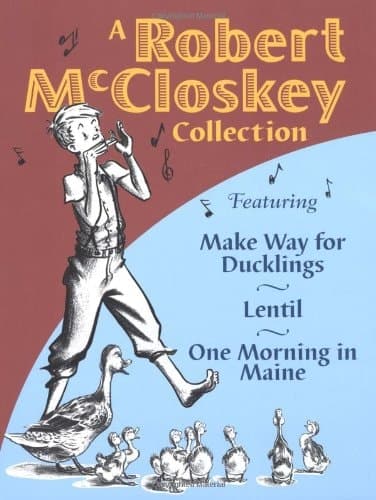
A Robert McCloskey Collection Featuring, Make Way for Ducklings ; Lentil ; One Morning in Maine
by Robert McCloskey
McCloskey, writing in the 1940s, shares Freeman's faith in the quiet power of persistence and community kindness. Mr. and Mrs. Mallard's search for home mirrors Corduroy's journey, but McCloskey adds something wonderful—a whole city that stops to help. Both books suggest that belonging isn't just about finding one person; it's about being seen and valued by your world.
View book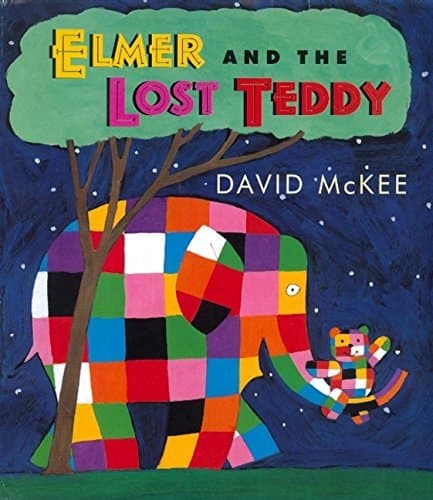
Elmer and the Lost Teddy
by David McKee
McKee's patchwork elephant discovers that being different—being made of bright squares when everyone else is gray—isn't a flaw to hide but something that makes him essential to his herd. It's a different answer to Corduroy's question about acceptance, one that suggests the world needs your particular strangeness. The illustrations have that same gentle, observant warmth Freeman brought to his work.
View bookAbout Don Freeman
D
Don Freeman
1908–1978
Don Freeman was born in San Diego, California. He attended high school in St. Louis, and then studied graphic design at the Art Students League in New York City.
View author page