Critical essays on Philip Larkin, the poems (Longman literature guides)
Philip LarkinPublished1989
Pages135
Formatpaperback
PublisherLongman
Synopsis
135 p. : 21 cm
Recommendations
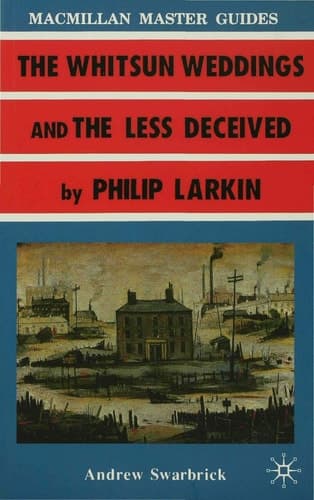
Larkin: The Whitsun Weddings and The Less Deceived
by Andrew Swarbrick
Wait—you've already read the critical essays, so let me suggest going straight to the poems themselves if you haven't. Larkin's actual collection shows you exactly why those essays matter: the way he captures suburban ennui and romantic disappointment with such precise, conversational language that you'll find yourself rereading lines like they're personal letters.
View book
Language Ideologies: Critical Perspectives on the Official English Movement, Volume I: Education and the Social Implications of Official Language
by Ildikó Melis
Since you've been deep in Larkin criticism, Morrison's contextual study will show you how Larkin fit into a broader literary moment with poets like Thom Gunn and Donald Davie—it's the kind of literary history that reads like detective work, revealing why certain poets mattered at certain moments.
View book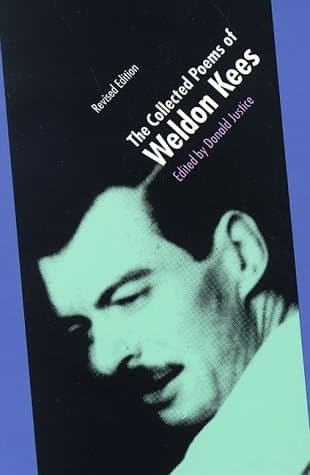
The Collected Poems
by W. Kees
Auden shares Larkin's gift for making formal verse sound like someone actually talking to you, but where Larkin is often resigned and darkly funny, Auden ricochets between intellectual playfulness and genuine tenderness. Reading them together, you'll notice how both poets use everyday language to sneak philosophy past your defenses.
View book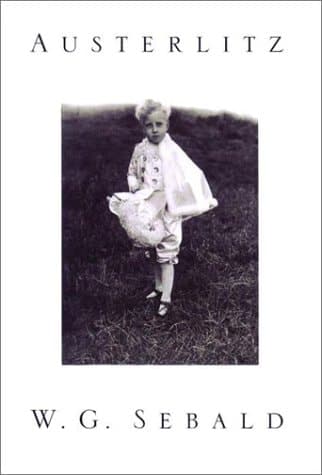
Austerlitz
by W. G. Sebald
This is your surprise pick: Sebald writes prose that moves like Larkin's poetry—digressive, melancholic, full of small observations that accumulate into something devastating. Both writers share an obsession with memory, loss, and the way ordinary moments contain entire histories. You'll find the same emotional restraint that makes Larkin so powerful.
View book
Collected Poems, 1928-1985
by Stephen Spender
Hughes was Larkin's contemporary and occasional rival in the British poetry world, but where Larkin observes human disappointment from a distance, Hughes plunges into myth and violence. Reading them as a pair shows you two completely different ways of being a serious poet in postwar Britain—one restrained, one ferocious.
View bookAbout Philip Larkin
Biography coming soon.
View author page