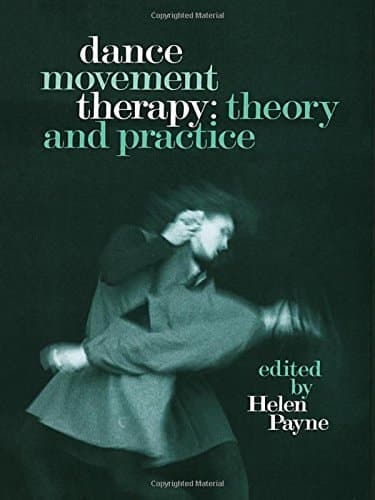
Dance Movement Therapy Theory and Practice
Helen PaynePublished1992
Pages277
Formatpaperback
PublisherTavistock/Routledge
Synopsis
The complexity and diversity of dance movement therapy is both clarified and celebrated in the contributions to this book which documents pioneering practice in a variety of settings in the UK. Experienced dance movement therapists from many different theoretical orientations and working with a range of clients, from the very young to the very old, come together to reveal their thinking, working methods and techniques.
Dance Movement Therapy: Theory and Practice offers practising dance movement therapists new ideas and approaches, students an insight into their subject's versatility and adaptability, and other mental health workers, allied educators and professionals a clear picture of the nature and importance of dance movement therapy.
Recommendations

The Body Keeps the Score Brain, Mind, and Body in the Healing of Trauma
by Bessel A. Van der Kolk
Van der Kolk approaches trauma recovery through somatic experience—how the body literally holds and processes psychological wounds—which directly extends Payne's framework of using movement as a gateway to emotional and psychological healing. Where Payne documents dance movement therapy's practical applications, van der Kolk provides the neuroscience foundation explaining *why* embodied approaches work so effectively for conditions talk therapy alone struggles to reach.
View book
The Expressive Body in Life, Art, and Therapy Working with Movement, Metaphor, and Meaning
by Daria Halprin
Goldin-Meadow examines how gesture and movement are fundamental to human cognition and communication—a cognitive science perspective that validates what Payne's practitioners intuitively know about movement's therapeutic power. This bridges dance movement therapy into linguistics and developmental psychology, showing how the body's language precedes and shapes verbal language across the lifespan.
View book
A Heart of Stillness A Complete Guide to Learning the Art of Meditation
by David A. Cooper
Here's your surprise pick: Iyer's meditative essay collection explores how stillness and presence function as counterbalances to modern chaos—a philosophical complement to Payne's active movement work. Rather than contradicting dance movement therapy, Iyer's reflections on contemplative practice illuminate the *receptive* dimension of therapeutic movement, the moments between motion where integration happens.
View book
Expressive and Creative Arts Methods for Trauma Survivors
by Lois J. Carey
Carello specifically addresses how creative and expressive modalities—including movement—serve neurodivergent populations, extending Payne's work with diverse client groups into contemporary special needs contexts. This gives you practical frameworks for adapting dance movement therapy principles to clients with different neurological profiles and communication styles.
View book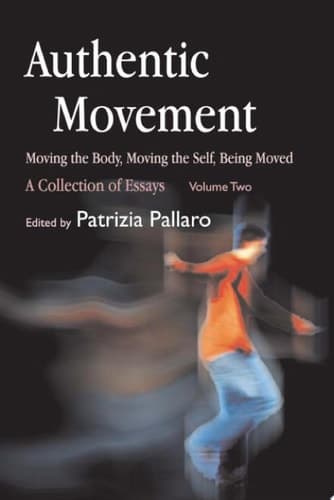
Authentic Movement Moving the Body, Moving the Self, Being Moved : a Collection of Essays, Volume Two
by Mary Starks Whitehouse
Pallaro's collection documents authentic movement—a specific dance movement therapy approach emphasizing internal impulse and witness consciousness—offering both theoretical depth and practitioner voices similar to Payne's structure, but with laser focus on one methodology's evolution. If you found yourself drawn to particular theoretical orientations in Payne's anthology, this lets you explore one tradition's full genealogy and contemporary practice.
View bookAbout Helen Payne
Biography coming soon.
View author page