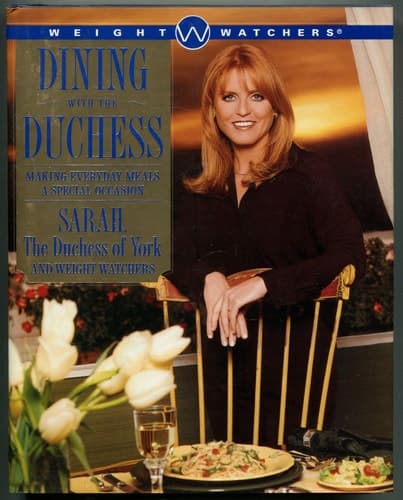
Dining with the Duchess Making Everyday Meals a Special Occasion
Sarah FergusonPublished1998
Pages221
Formathardcover
PublisherSimon & Schuster
Synopsis
The first encyclopedia of theatre songs from Broadway shows ranging from The Black Crook (1866) to the 1994 Tony Award-winning Passion, this handy guide features over 1,800 songs from over 500 musicals. It gives such information as the songs' authors, original performers, and dates and history of recordings. Each song is described and briefly analyzed, explaining how the song fit in the original production and what is notable about its music, lyrics, and presentation. Thoroughly indexed by song title, show, authors, and performers. Of interest to scholars, students, and fans alike.
The musical theatre song is conceived, written, and produced as part of a whole. While it may eventually stand on its own and join the ranks of popular hits, its immediate purpose is clear: it must work in the show. This book is about how hundreds of famous and not-so-famous songs have functioned in the American musical. In addition to identifying the authors and the source of the song, it hopes to explain the song: what kind of song it is, what it is about, what purpose it has in the show, as well as who originally sang it, what the song's history is, and what may be unique about this particular number. It is a book about songs as little pieces of playwriting for the musical theatre. The song entries are presented alphabetically, but the Musicals Listing at the end of the work includes all the songs discussed from a particular show.
Recommendations
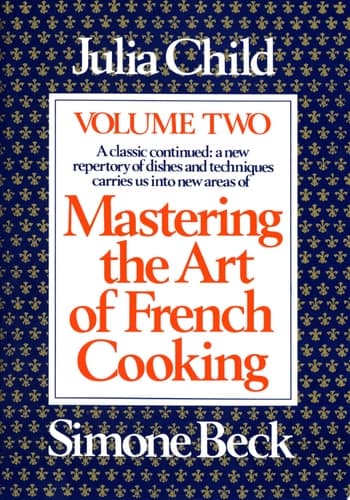
Mastering the Art of French Cooking, Volume 2 A Cookbook
by Julia Child
Like Ferguson's approach to transforming everyday meals into occasions, Child demystifies French cuisine for the home cook with infectious enthusiasm and the conviction that anyone can create something magnificent in their own kitchen. Both authors share that same philosophy: the ritual and joy of cooking matters as much as the final dish, and hospitality is fundamentally about making people feel special.
View book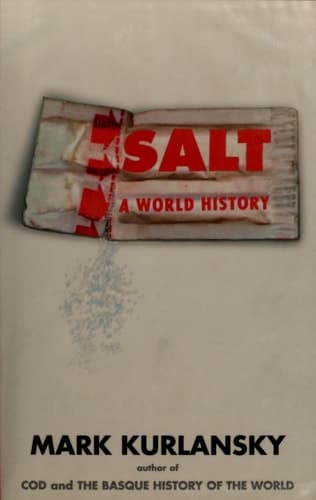
Salt A World History
by Mark Kurlansky
This is my surprise pick for you—it's a history book, not a cookbook, but Kurlansky writes about salt the way a chef would: as something that shaped civilizations, trade routes, and human experience. If you loved Ferguson's attention to how food connects us to tradition and occasion, you'll find that same reverence here, just told through centuries of human culture rather than recipes.
View bookMastering the Art of French Cooking, Volume 2 A Cookbook
by Julia Child
Wait—I know I just recommended Child, but this is a different author collaboration. Simone Beck joins Child here, and together they deepen the philosophy that cooking is a learnable skill, not a mystery. The progression from volume one mirrors how Ferguson builds on basic entertaining principles to create increasingly sophisticated occasions.
View book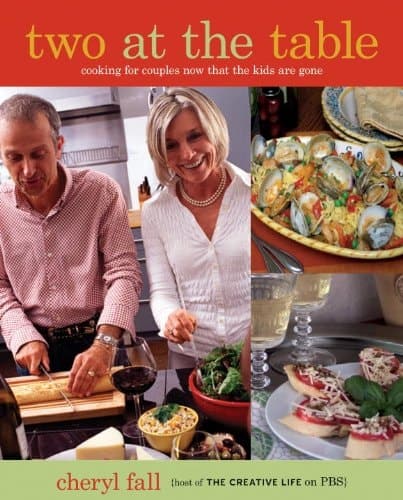
Two at the Table Cooking for Couples Now That the Kids Are Gone
by Cheryl Fall
Twitty weaves together family history, Southern foodways, and personal identity through recipes and meals—he's doing what Ferguson does (making meals meaningful) but excavating why certain foods and gatherings matter so deeply to who we are. It's part memoir, part cookbook, entirely moving, and it'll make you think differently about what 'special occasion' really means.
View book
Like Water for Chocolate
by Laura Esquivel
This 1989 novel treats cooking as a language of emotion and rebellion—each meal carries feeling, history, and consequence. If Ferguson showed you how to make occasions special through technique and presentation, Esquivel shows you how food itself becomes the occasion, how a dish can hold an entire story. It's magical realism meets culinary passion, and utterly enchanting.
View bookAbout Sarah Ferguson
S
Sarah Ferguson
Born 1959
Biography coming soon.
View author page