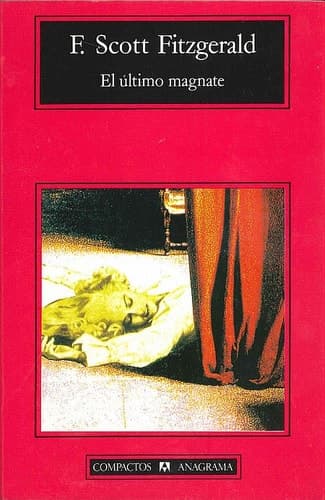
Synopsis
Monroe Stahr, omnipotente productor cinematogrfico de ideas ms personales y modernas de lo que conviene a los inversores, e ilimitado amor por el cine, es, como casi todos los personajes de su autor, una criatura de rasgos ambiguos: cuando le conocemos, el muchacho judo que en su infancia dirigiera una pandilla del Bronx ha llegado a ser el monarca casi absoluto de la gran fbrica de sueos. Pero apresado entre el fracaso amoroso, los odios que despiertan sus decisiones a veces arbitrarias y los celos de un socio que no comprende el alcance de las ideas, Stahr no hace sino consumir su vida en una actividad incesante que tal vez slo dar lugar a pelculas producidas por otros.La industria cinematogrfica norteamericana ha sido observada aqu desde muy cerca, estudiada con cuidadosa atencin y representada con un ingenio agudo, en una combinacin que no encontramos presente en ninguna de las otras novelas sobre este tema. El ltimo magnate es, con mucho, la mejor novela que se ha escrito sobre Hollywood (Edmund Wilson).
Recommendations
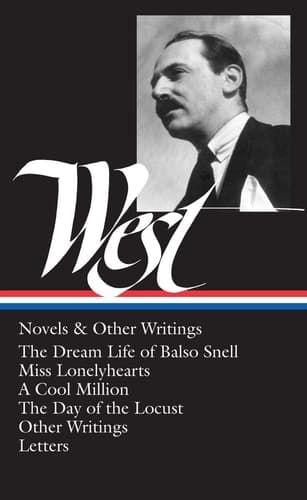
Nathanael West : Novels and Other Writings : The Dream Life of Balso Snell / Miss Lonelyhearts / A Cool Million / The Day of the Locust / Letters (Library of America)
by Nathanael West
West captures Hollywood's underbelly with the same unflinching eye Fitzgerald brings to Stahr's empire, but from the perspective of those crushed beneath it rather than those commanding it. Both novels treat the film industry as a character itself—a machine that devours ambition and talent alike, though West's vision is considerably darker and more grotesque.
View book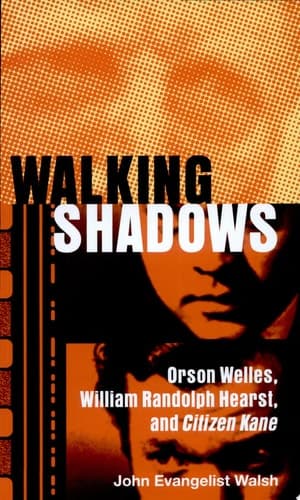
Walking Shadows Orson Welles, William Randolph Hearst, and Citizen Kane
by John Evangelist Walsh
I know—it's a screenplay, not a novel—but hear me out: this is essentially the visual counterpart to *El último magnate*. Welles and Mankiewicz were writing about the same Hollywood power structures Fitzgerald observed, and reading it as literature reveals how they construct Kane's rise and fall with the same tragic architecture Fitzgerald uses for Stahr. It's a surprise recommendation because it asks you to experience storytelling in a different medium, but the thematic DNA is unmistakable.
View book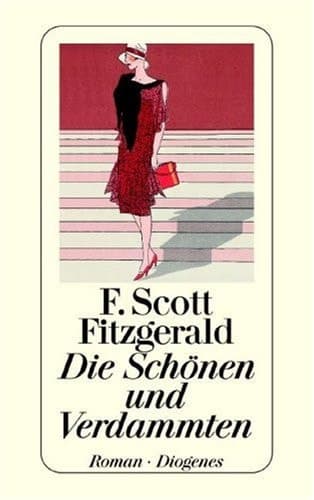
The Beautiful and Damned
by F. Scott Fitzgerald
Wait—I'm recommending another Fitzgerald, but *not* the obvious choice. While everyone gravitates toward *Gatsby*, this earlier novel actually shares more DNA with *El último magnate*: the same examination of American wealth as both seductive and corrosive, the same portrait of a marriage strained by ambition and circumstance, and the same sense that modernity itself is a kind of disease. It's Fitzgerald working through similar obsessions with fresher material.
View book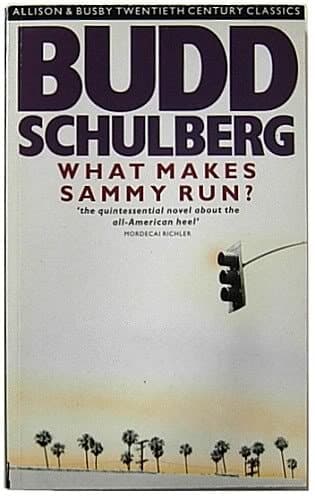
What Makes Sammy Run?
by Budd Schulberg
Schulberg was actually a screenwriter in Hollywood during the era Fitzgerald was documenting, and his novel reads like a more cynical, street-level companion piece to *El último magnate*. Where Stahr is the tragic visionary trapped by his own genius, Sammy is the hustler who understands that Hollywood rewards ruthlessness over artistry—it's the inverse moral equation, told with crackling, vernacular dialogue that makes the corruption feel immediate and almost funny.
View bookAbout F. Scott Fitzgerald
Biography coming soon.
View author page