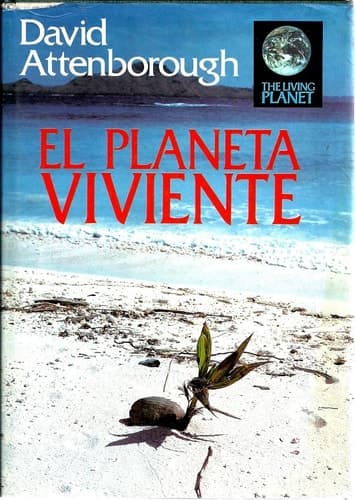
Synopsis
Examines the way plants and animals have colonized the land and adapted to the changing conditions found in a variety of environments
Recommendations
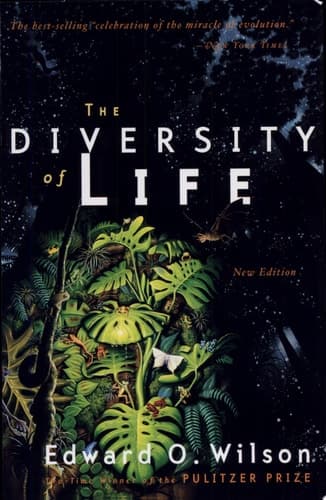
The Diversity of Life
by Edward O. Wilson
Wilson brings the same observational rigor Attenborough uses, but he's asking bigger questions about *why* biodiversity matters and what we're losing. Where Attenborough shows you the elegant solutions evolution has created, Wilson helps you understand the stakes—this feels like the philosophical companion piece to what you just read.
View book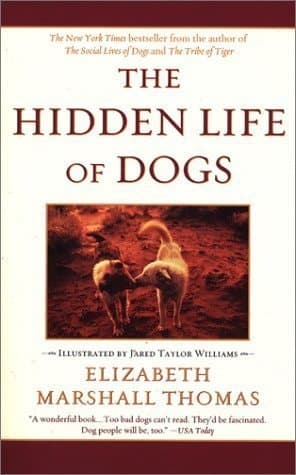
The Hidden Life of Dogs
by Elizabeth Marshall Thomas
Thomas spent decades observing deer the way Attenborough observes entire ecosystems, but she writes with an almost novelistic intimacy—you're not just learning *how* deer survive different environments, you're inhabiting their perspective. It's natural history writing that feels personal without sacrificing accuracy.
View book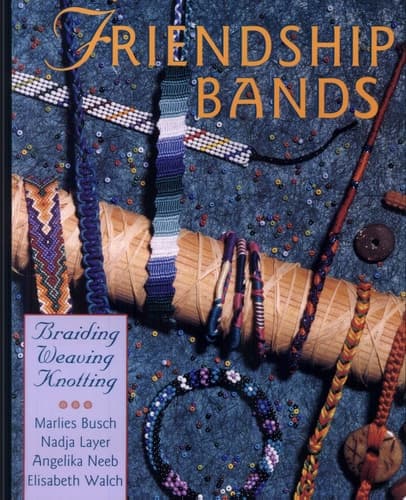
Friendship Bands Braiding, Weaving, Knotting
by Marlies Busch
Here's your surprise pick: Kimmerer is a botanist, so she has Attenborough's scientific grounding, but she writes essays that blend Indigenous knowledge systems with plant ecology in ways that make you reconsider what 'adaptation' even means. It's less about cataloging how life colonizes space and more about the reciprocal relationships that make colonization possible.
View book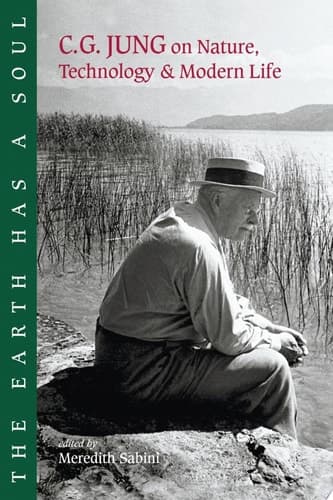
The Earth Has a Soul C.G. Jung on Nature, Technology and Modern Life
by Carl G. Jung
Published in 1986, just two years after *El planeta viviente*, Sagan takes the same fascination with how life adapts to environments and zooms out to ask how life emerged and persists on *this particular* planet. He has Attenborough's gift for making complexity feel inevitable rather than overwhelming.
View book
A Rendezvous Reader: Tall, Tangled, and True Tales of the Mountain Men 1805-1850
by James H. Maguire
Quammen tells the story of how scientists discovered that evolution is far messier than the neat branching tree we learned in school—organisms don't just adapt to environments, they trade genes across species boundaries. It's detective work that reframes everything Attenborough showed you about adaptation as something far stranger and more collaborative.
View bookAbout David Attenborough
D
David Attenborough
Born 1926
Sir David Frederick Attenborough is an English broadcaster and naturalist. He is best known for writing and presenting the nine Life series, in conjunction with the BBC Natural History Unit, which collectively form a comprehensive survey of animal and plant life on the planet. He is also a former senior manager at the BBC, having served as controller of BBC Two and director of programming for BBC Television in the 1960s and 1970s. He is the only person to have won BAFTAs for programmes in each of black and white, colour, HD, and 3D. - Wikipedia
View author page