Synopsis
Nathan Staples is a man in pain, consumed by loathing and love in roughly equal measures. Frustrated and appalled by his life and the way he lives it, he is sustained only by his passionate devotion to his estranged wife, Maura, and their teenage daughter, Mary—whom he hasn’t seen in fifteen years, and who thinks he’s dead. When Nathan contrives to have Mary invited to the island where he lives in retreat, he sets in motion the possibility of telling her he is her father, and of becoming whole and complete and alive again.
The path to grace, though, is strewn with obstacles and challenges. The obsessive island dwellers are trying to cure themselves through trial by extremity while, over in London, Nathan’s editor, only friend and one link with his literary career—the brilliant, loyal, hopeless Jack—is drinking himself into the ground. And Mary is torn emotionally between familial love for the two uncles who brought her up in loco parentis and the beginnings of a romantic, sexual life beyond.
With her new novel, A. L. Kennedy has written a work of something approaching genius—its surface bright with turmoil and damage, its depths profound and turbulent. A brilliant examination of human frailty, cut through with bitter, helpless comedy and agonizing grief, Everything You Need is a novel about a man who has nothing, a man who will be healed only when he finds the lost grail he once held in his hands: the ability to give and receive love.
Recommendations
The remains of the day de Kazuo Ishiguro
by Gallix/François
Like Nathan, Stevens is a man constructed almost entirely from what he's refused to acknowledge about himself—his emotional architecture revealed through careful omissions rather than confessions. Both novels use a protagonist's isolation and self-deception as the engine for profound examinations of love, duty, and the terrible cost of emotional restraint, though Ishiguro's approach is quieter, more buttoned-up where Kennedy is raw.
View book
The Savage Detectives A Novel
by Roberto Bolaño
This is a departure from Kennedy's island-bound intimacy, but Bolaño shares her fascination with damaged people clinging to impossible artistic and emotional projects while the world moves on without them. The novel's fragmented structure—mixing diary entries, interviews, and narrative—mirrors how Kennedy layers Nathan's internal torment with the chaotic lives of those around him, creating a portrait of human frailty that's both comic and devastating.
View book
Escaping from the Prison-House of Language and Digging for Meanings in Texts Among Texts Metafiction and Intertextuality in Margaret Atwood's Novels Lady Oracle and the Blind Assassin
by Andrea Strolz
Atwood constructs a mystery around a woman revealing truths about her past—much like Mary discovering who Nathan really is—but she does it through layers of unreliable memory and carefully withheld information. Both novels are fascinated by how families hide their damage, how love and resentment become indistinguishable, and how the stories we tell ourselves about our relationships can be entirely wrong.
View book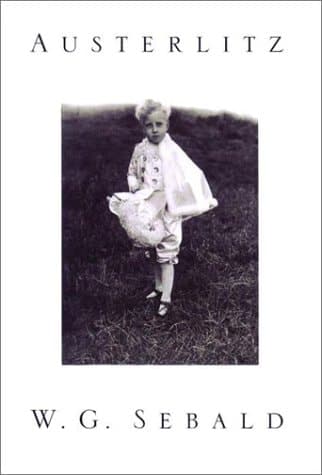
Austerlitz
by W. G. Sebald
A surprising recommendation, but Sebald's meditative novel about a man slowly uncovering his own lost history shares Kennedy's obsession with how trauma shapes identity and how the past refuses to stay buried. Where Kennedy uses dark humor and sexual tension, Sebald uses photographs and digression, but both create that same suffocating atmosphere of someone drowning in what they've lost and can never quite recover.
View bookThe Savage Detectives A Novel
by Roberto Bolaño
Wallace's sprawling novel about addiction, loneliness, and the desperate human need for connection echoes Kennedy's portrait of Jack drinking himself to death while trying to hold onto his one meaningful relationship. Both writers refuse to sentimentalize their damaged characters—they're funny and pathetic and genuinely tragic simultaneously, and both novels insist that understanding someone's pain requires sitting with their full, messy, contradictory humanity.
View bookAbout A. L. Kennedy
A
A. L. Kennedy
Born 1965
Scottish writer, academic and stand-up comedian.
View author page