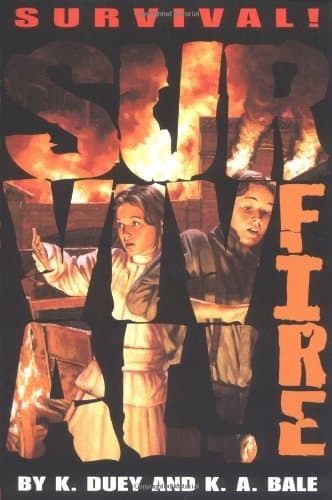
Synopsis
With the Chicago fire raging around him, Nate is desperate to get back to his aunt's boarding house, but somehow he's become responsible for the safety of Julie, also separated from her family.
Recommendations
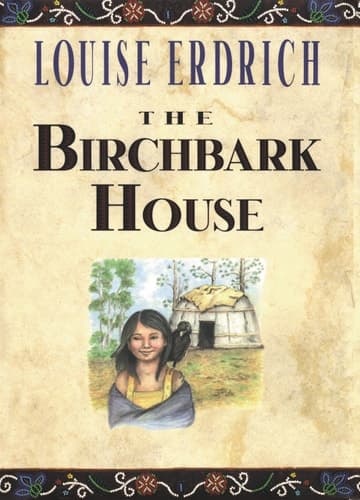
The Birchbark House
by Louise Erdrich
Like Duey, Erdrich grounds her historical fiction in a child's immediate, visceral experience of survival during a specific crisis—here, an Ojibwe family weathering a smallpox epidemic in 1847. Both authors trust young readers to navigate moral complexity without simplifying the historical moment, and both create that same urgent, page-turning tension where safety feels constantly threatened.
View book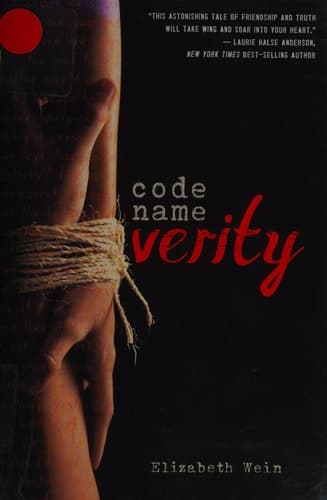
Code Name Verity
by Elizabeth Wein
This one's a surprise because it's technically YA, but it operates at a literary level that will satisfy you if you appreciated Duey's refusal to sentimentalize her characters. Two young women separated by circumstance during WWII, each trying to protect the other—the emotional architecture mirrors Nate and Julie's relationship, but Wein adds layers of deception and loyalty that unfold like a puzzle box.
View book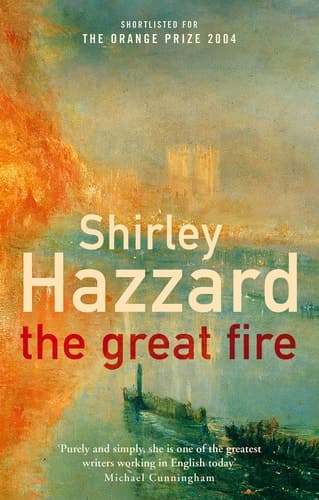
The Great Fire
by Shirley Hazzard
Published in 2003, this literary novel is set in post-WWII Japan but carries the same meditation on how ordinary people navigate catastrophe and displacement that haunts Duey's Chicago. Hazzard writes with a quieter intensity—less plot-driven than Fire, but if you're curious about how historical fiction can work when it prioritizes emotional truth over action, this is essential.
View book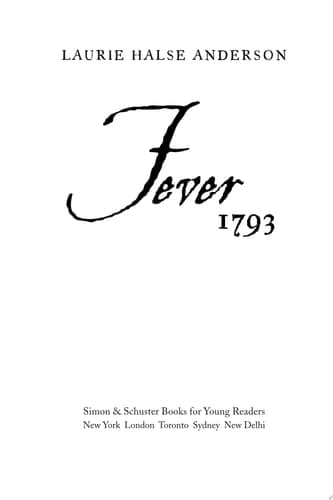
Fever 1793
by Laurie Halse Anderson
Anderson structures her yellow fever epidemic in Philadelphia with the same propulsive momentum as Duey's fire—a teenage girl separated from family, forced into adulthood by circumstance, moving through a city transformed into something unrecognizable. Both authors excel at making historical disaster feel immediate and personal rather than abstract.
View book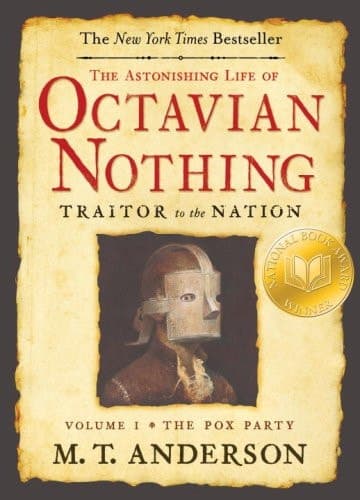
The Astonishing Life of Octavian Nothing, Traitor to the Nation, Volume I The Pox Party
by M.T. Anderson
This is formally experimental in ways Fire isn't, but it shares Duey's commitment to showing how historical events fracture individual lives—here, an enslaved boy's education becomes entangled with the American Revolution. Anderson writes with baroque precision about how power operates through institutions, and like Duey, he refuses to make his young protagonist simply a victim of history.
View bookAbout Kathleen Duey
Biography coming soon.
View author page