Synopsis
We don't have a synopsis for this title yet.
Recommendations
Things Fall Apart, Chinua Achebe
by Chinua Achebe
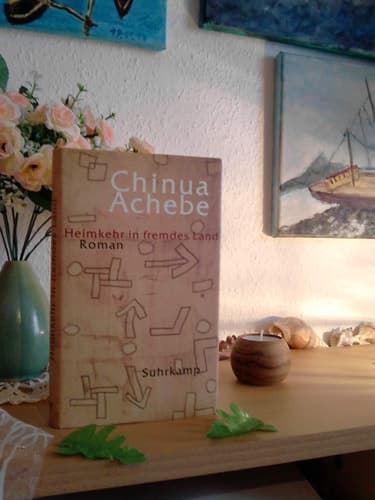
I notice there's some confusion here—*Heimkehr in fremdes Land* appears to be a German translation, but let me pivot: if you haven't read Achebe's *Things Fall Apart* itself, this is essential. It's the foundational work that shaped how postcolonial literature approaches the collision between indigenous cultures and colonial forces, told from the perspective of those whose world is being unmade.
View book
Half of a Yellow Sun
by Chimamanda Ngozi Adichie
Adichie writes with the same unflinching attention to how history fractures individual lives that you've just experienced. Her Biafran War narrative weaves together multiple voices across class and education levels, showing how grand historical events feel utterly personal when you're living through them—the prose has that same lyrical weight combined with brutal clarity.
View book
The remains of the day de Kazuo Ishiguro
by Gallix/François
Here's the surprise pick: this is about a man returning to his homeland only to confront how much has changed—both in the world and in himself. Like the displacement themes in your recent read, Ishiguro explores how we rationalize our choices when we're caught between cultures and historical moments, but he does it through the restraint of an English butler rather than explicit cultural collision. The quiet devastation hits differently.
View book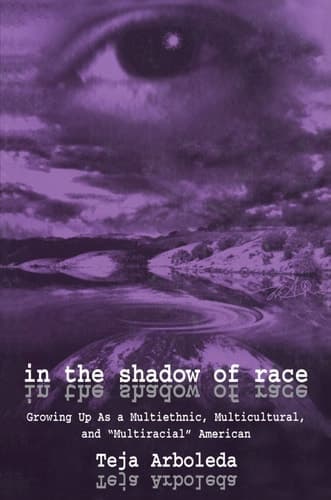
In the Shadow of Race: Growing Up As A Multiethnic, Multicultural, and "Multiracial" American
by Teja Arboleda
Cole's protagonist is a Nigerian woman navigating America, then returning home—the reverse journey from many postcolonial narratives, which gives it fresh energy. She writes with sharp sociological observation about race, class, and belonging that feels contemporary while still grappling with the same questions about identity and displacement that drew you to your last book.
View book
The Apocalyptic Vision of Mikhail Bulgakov's the Master and Margarita (Studies in Slavic Language & Literature)
by Edward E. Ericson
A wildcard from 1960s Soviet Russia: this novel uses magical realism and fragmented storytelling to explore what happens when individuals are caught between competing ideological worlds—much like the cultural displacement in your recent read, but filtered through satire and the surreal. The way Bulgakov layers multiple timelines and realities to examine power, identity, and belonging offers a completely different formal approach to similar existential questions.
View bookAbout Chinua Achebe
Biography coming soon.
View author page