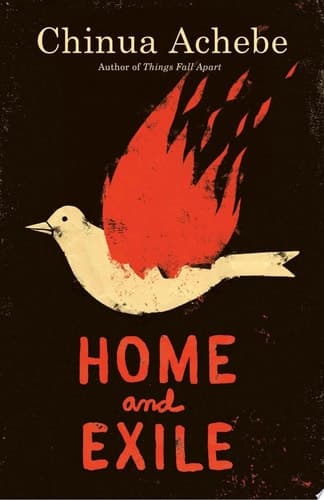
Synopsis
In three powerful essays, the acclaimed, Nigerian-born novelist and author of Things Fall Apart explores the complexities of African culture and discusses the devastating impact of European cultural imperialism on the African experience. Reprint. 25,000 first printing.
Recommendations
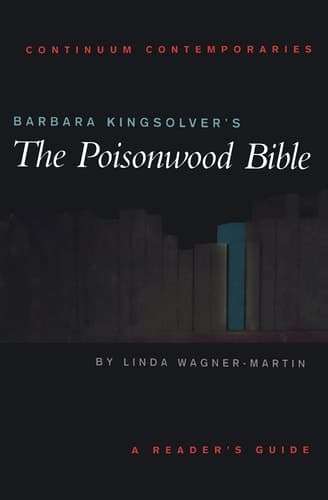
Barbara Kingsolver's The Poisonwood Bible A Reader's Guide
by Linda Wagner-Martin
Like Achebe, Kingsolver examines colonialism through the eyes of those caught between worlds, but she does it through a family narrative that unfolds across decades. Where Achebe's essays dissect the intellectual and cultural damage of imperialism, Kingsolver shows you its human cost in real time—the way good intentions can still wreak havoc when they're imposed rather than invited.
View book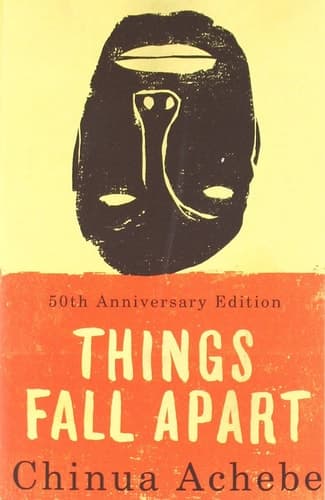
Things fall apart
by Chinua Achebe
I know you've just finished Achebe, but hear me out—Tutuola's *The Palm-Wine Drinkard* (1952) offers a completely different literary response to the same colonial moment. Where Achebe writes with restrained, classical precision, Tutuola embraces Yoruba oral storytelling traditions with surreal, dreamlike logic. It's like seeing the same historical rupture refracted through two entirely different cultural lenses.
View book
The Apocalyptic Vision of Mikhail Bulgakov's the Master and Margarita (Studies in Slavic Language & Literature)
by Edward E. Ericson
This might seem like a left turn, but Bulgakov does something Achebe also does brilliantly: he uses narrative structure itself as an act of resistance against a dominating ideology. Both writers understand that how you tell a story—what you include, what you layer beneath the surface—is a form of cultural survival. Bulgakov's satirical approach to totalitarianism has the same sharp-eyed clarity about power that Achebe brings to colonialism.
View book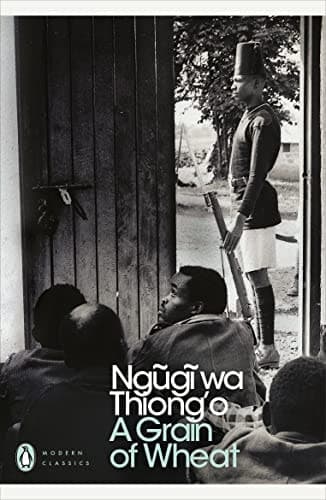
A Grain of Wheat
by Ngugi wa Thiong'o
Ngũgĩ is doing in fiction what Achebe does in essays—excavating what colonialism actually cost African societies from the inside. But where Achebe gives you the analytical framework, Ngũgĩ gives you the emotional and political weight of independence movements, told through interconnected stories that refuse simple heroes and villains. It's the lived experience of the cultural moment Achebe is theorizing.
View book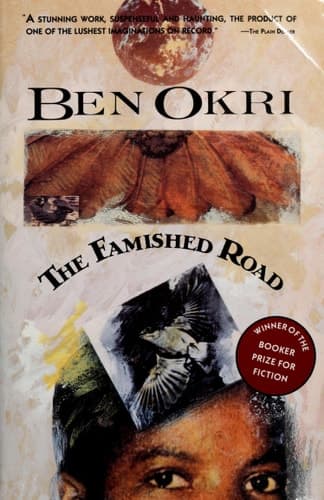
The Famished Road Man Booker Prize Winner
by Ben Okri
Okri reclaims Nigerian storytelling by blending the spiritual and material worlds in ways that Western literary realism simply can't contain—it's almost like he's proving Achebe's point about cultural imperialism by refusing the colonizer's narrative forms altogether. The prose moves between dream and reality, between Yoruba cosmology and Lagos street life, creating a literary space where African ways of knowing aren't subordinate to European ones.
View bookAbout Chinua Achebe
Biography coming soon.
View author page