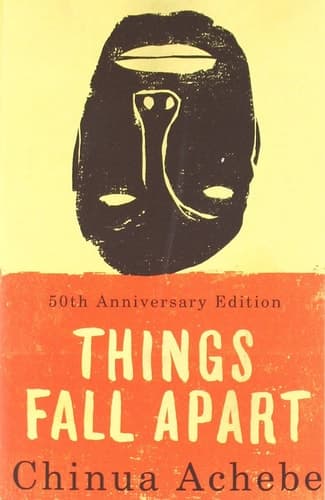
Things fall apart
Chinua AchebePublished1997
Pages96
Formatpaperback
PublisherHueber Max GmbH + Company KG
Synopsis
Used book sticker on spine, bumps and shelf wear.
Recommendations
Chinua Achebe Reading Anthills of the Savannah Arrow of God
by Chinua Achebe
Wait—I know what you're thinking. But hear me out: this is Achebe's sequel in spirit, not plot, and it deepens everything *Things Fall Apart* started. Where the first novel shows us the collision from the Igbo perspective, this one explores the aftermath and the generational fractures that follow. It's like watching the same historical moment refracted through a different family's experience.
View book
Gabriel García Márquez: One Hundred Years of Solitude
by Michael Wood
Both novels use cyclical storytelling to show how colonialism and outside forces reshape entire cultures—but Márquez adds magical realism to the mix, making the surreal feel inevitable. The Buendía family's repeated patterns mirror how Achebe shows history as something that circles back on itself, except here the magical elements make the tragedy feel almost dreamlike rather than brutally concrete.
View book
The remains of the day de Kazuo Ishiguro
by Gallix/François
This is the surprise pick, but stay with me: both novels are about men who've internalized the values of a dying world so completely they can't quite see what's been lost until it's gone. Where Okonkwo fights the change head-on, Stevens has already surrendered to it—yet Ishiguro's restraint and Achebe's directness create the same devastating effect through opposite means. It's a study in how colonialism (or any power structure) works through complicity, not just conquest.
View book
Toni Morrison - Beloved
by Carl Plasa
Morrison does for the African diaspora what Achebe does for precolonial Africa—she reclaims narrative authority and centers the interior lives of people history tried to erase. Both writers use language as an act of resistance, and both understand that colonialism and slavery aren't just historical events but ongoing presences that haunt families and communities. The prose density is different, but the moral weight is identical.
View book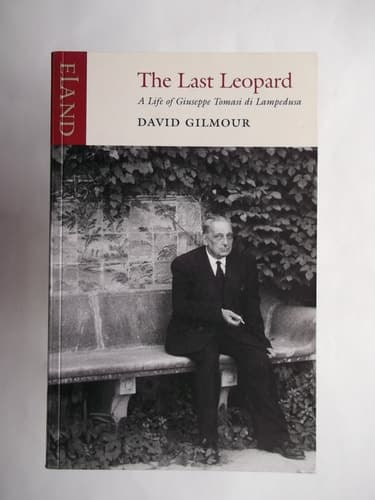
The Last Leopard: A Life of Giuseppe Tomasi di Lampedusa
by David Gilmour
Published in 1958 (a decade before *Things Fall Apart*), this Italian novel watches a Sicilian aristocracy dissolve during unification—it's essentially the colonizer's version of the same story Achebe tells. Lampedusa shows how even those with power are helpless against historical change, and his protagonist's quiet resignation offers an intriguing counterpoint to Okonkwo's resistance. Both are elegies for worlds that can't survive contact with modernity.
View bookAbout Chinua Achebe
Biography coming soon.
View author page