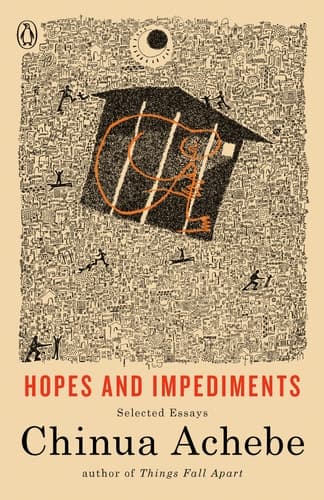
Hopes and Impediments Selected Essays
Chinua AchebePublished1990
Pages208
Formatpaperback
PublisherPenguin
Synopsis
One of the most provocative and original voices in contemporary literature, Chinua Achebe here considers the place of literature and art in our society in a collection of essays spanning his best writing and lectures from the last twenty-three years. For Achebe, overcoming goes hand in hand with eradicating the destructive effects of racism and injustice in Western society. He reveals the impediments that still stand in the way of open, equal dialogue between Africans and Europeans, between blacks and whites, but also instills us with hope that they will soon be overcome.
Recommendations
Meditations on Frantz Fanon's Wretched of the Earth, Part One A Study Guide
by Owusu Yaki Yakubu
Fanon writes with the same urgent moral clarity as Achebe, but from the perspective of a psychiatrist documenting colonialism's psychological violence. Where Achebe examines how Western narratives distort African reality, Fanon dissects the mechanisms of oppression itself—you'll find the same unflinching analysis of power, but channeled through a different lens that deepens the conversation Achebe started.
View book
The Famished Road Man Booker Prize Winner
by Ben Okri
Okri, a Nigerian writer working in Achebe's literary tradition, creates a narrative that refuses Western realism entirely—his protagonist moves between the spirit world and Lagos with the same ease Achebe moves between oral storytelling and written form. It's a novel that enacts the cultural synthesis Achebe argues for, showing rather than telling how African epistemologies can structure a complete literary world.
View book
Blues and Roots/Rue and Bluets A Garland for the Southern Appalachians
by Jonathan Williams
This is the surprise pick: Nelson's fragmented essay-poem about color, loss, and meaning-making shares Achebe's conviction that how we *speak* about things matters profoundly. She interrogates inherited language and cultural assumptions the way Achebe does, but through the intimate lens of personal obsession rather than historical trauma—it's a different register entirely, yet the intellectual rigor and refusal of easy answers will feel familiar.
View book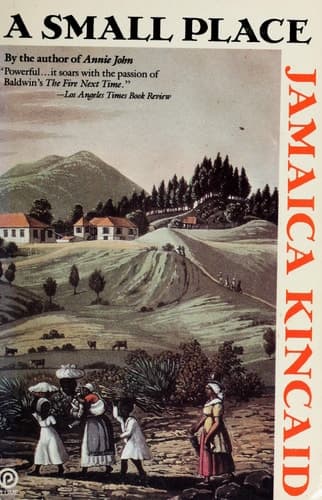
A Small Place
by Jamaica Kincaid
Kincaid's searing essay on Antigua and tourism reads like Achebe's anger distilled into a single, sustained accusation—she uses the second person to implicate the reader directly in colonial legacies. It's much shorter and more concentrated than Achebe's collection, but it carries the same refusal to let Western audiences off the hook, and her prose style is so precise it feels like a blade.
View book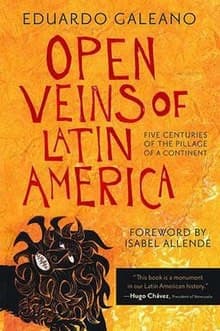
Open Veins of Latin America Five Centuries of the Pillage of a Continent
by Eduardo Galeano
Published in 1971, this earlier work shares Achebe's project of documenting how colonialism and imperialism have systematized the theft of resources and dignity, but Galeano writes with a poet's intensity—his short chapters accumulate like evidence in a trial. If you appreciated Achebe's moral passion, you'll recognize it here, though Galeano's lyrical approach to documenting exploitation creates a different emotional texture.
View bookAbout Chinua Achebe
Biography coming soon.
View author page