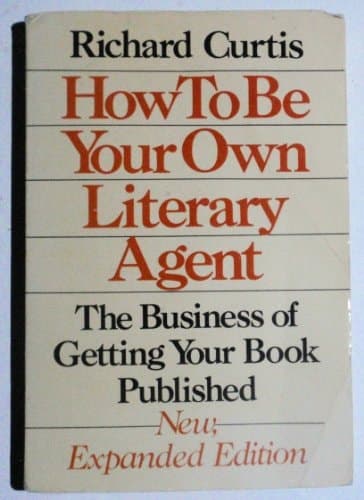
How to be Your Own Literary Agent The Business of Getting Your Book Published
Richard CurtisPublished1984
Pages257
Formatpaperback
PublisherHoughton Mifflin
Synopsis
How to Be your own Literary Agent The Business of Getting your Book Published published in the year 1984 was published by Houghton Mifflin Harcourt. The author of this book is Richard Curtis. ed page displaying collection of Richard Curtis books here. This is the Paperback version of the title "How to Be your own Literary Agent The Business of Getting your Book Published" and have around pp. 257 pages.
Recommendations
Me, Inc. How to Master the Business of Being You A Personalized Program for Exceptional Living
by Scott W. Ventrella
Friedman updates Curtis's 1984 framework for the modern publishing landscape—she's essentially written the book Curtis would write today if he were starting fresh. Where Curtis navigates the pre-digital agent relationship, Friedman tackles self-publishing platforms, social media strategy, and hybrid publishing models, but maintains that same practical, demystifying tone about the business side of writing.
View book
Bird by Bird Some Instructions on Writing and Life
by Anne Lamott
While Curtis focuses on the business machinery, Lamott addresses the creative and psychological side of being a writer—the part that actually has to produce the manuscript Curtis's book helps you sell. Her conversational, permission-giving approach complements Curtis's nuts-and-bolts strategy; together they form a complete picture of what it takes to sustain a writing career.
View book
The Art of Fiction Notes on Craft for Young Writers
by John Gardner
Here's the surprise pick: Gardner's 1983 craft manual sits right beside Curtis's business guide as essential companion reading. While Curtis teaches you how to navigate the publishing world once your manuscript exists, Gardner teaches you how to make that manuscript undeniable in the first place—his focus on narrative technique and reader engagement is the invisible foundation that makes Curtis's business strategies actually work.
View book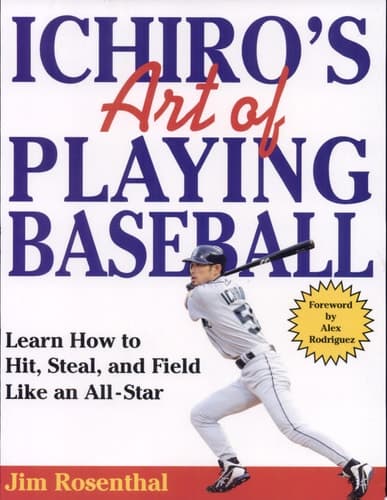
Ichiro's Art of Playing Baseball Learn How to Hit, Steal, and Field Like an All-Star
by Ichirō Suzuki
Kleon's 2012 book brings Curtis's 1984 advice into the social media era with a visual, permission-based approach to building an author platform. Where Curtis emphasizes agent relationships and manuscript submission, Kleon shows how modern writers build direct audiences—it's the evolution of Curtis's networking philosophy applied to contemporary tools.
View book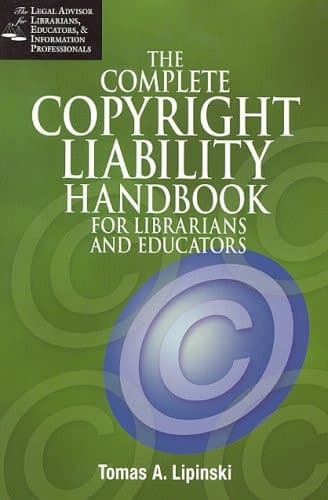
The Complete Copyright Liability Handbook for Librarians and Educators (Legal Advisor for Librarians, Educators & Information Profes) (Legal Advisor ... for Librarians, Educators & Info Profs)
by Tomas A. Lipinski
Curtis touches on contracts and rights, but Fishman goes deep into the legal architecture that actually protects your work—this is the specialized knowledge that becomes crucial once you're negotiating those deals Curtis teaches you to pursue. It's technical where Curtis is strategic, making it the perfect follow-up for writers ready to understand the fine print they'll encounter.
View bookAbout Richard Curtis
R
Richard Curtis
Born 1956
Biography coming soon.
View author page