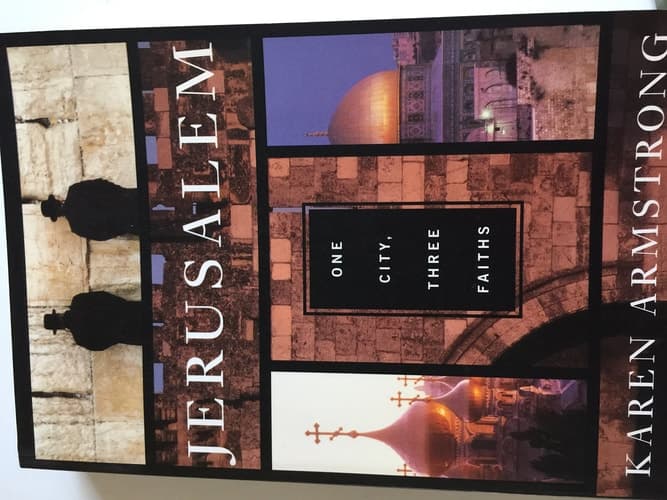
Synopsis
With 8 pages of color photographs and 82 illustrations in text.
Recommendations
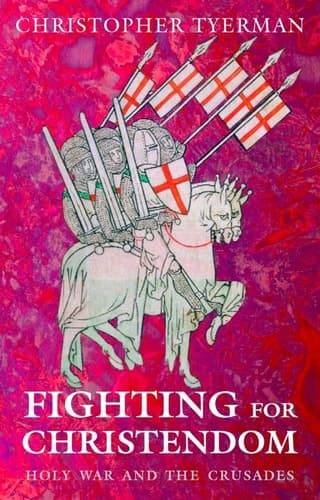
Fighting for Christendom: Holy War and the Crusades
by Christopher Tyerman
Pagden takes the same historical territory Armstrong explores but approaches it as a narrative historian—you'll get the sweeping conflict and religious fervor, but filtered through specific battles, personalities, and political machinations rather than theological meditation. Where Armstrong gives you the spiritual architecture of Jerusalem, Pagden shows you the blood and diplomacy that built and rebuilt it.
View book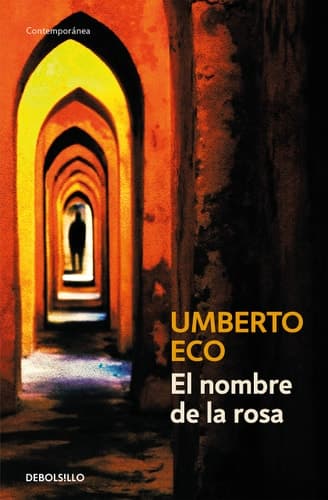
El nombre de la rosa / The Name of the Rose
by Umberto Eco
This is the surprise pick, but hear me out: it's a mystery novel set in a medieval monastery where the central tension revolves around how different faiths and interpretations of sacred texts create meaning and conflict. Eco layers intellectual history, semiotics, and religious philosophy into a page-turner in ways that will feel like a natural extension of Armstrong's thinking—just wrapped in a murder plot with monks and secret libraries.
View book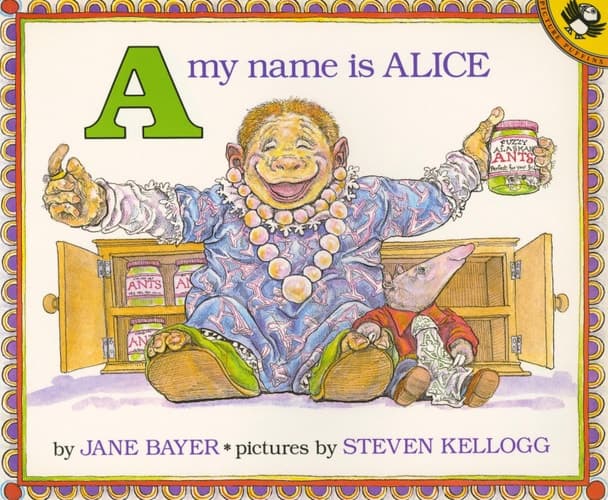
A, My Name Is Alice
by Jane E. Bayer
A departure, yes—but Streisand's memoir is deeply rooted in her identity as a Jewish woman navigating American culture, and she writes with unusual candor about how faith, family, and belonging shaped her. If Armstrong's book made you think about how religion lives in cities and communities, this shows you how it lives in individual lives and choices, with remarkable honesty about doubt and commitment.
View book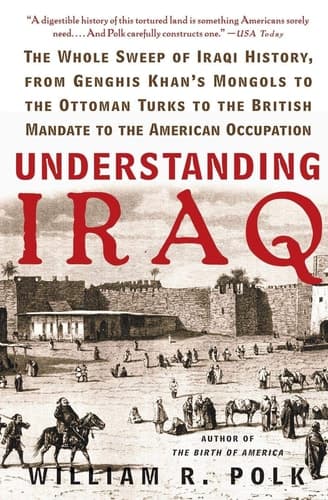
Understanding Iraq The Whole Sweep of Iraqi History, from Genghis Khan's Mongols to the Ottoman Turks to the British Mandate to the American Occupation
by William R. Polk
Baer gives you the Islamic and Ottoman perspective on the very territories and conflicts Armstrong examines—it's the counternarrative that makes the full picture click into place. His writing is accessible but rigorous, and he's particularly good at showing how Jerusalem functioned under Ottoman rule as a genuinely pluralistic (if hierarchical) space, which deepens everything Armstrong wrote about coexistence.
View book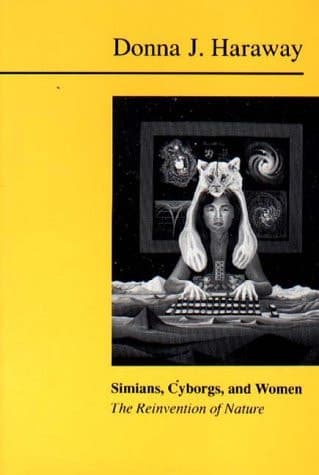
Simians, Cyborgs, and Women The Reinvention of Nature
by Donna Jeanne Haraway
This one's from 2015, so it pulls you into a more recent historical approach. Wulf writes about how Humboldt saw interconnection and unity in natural systems—it's thematically distant from Jerusalem, but her method of weaving together biography, science, and cultural history mirrors Armstrong's approach to showing how multiple perspectives create a richer understanding of a single subject. It's about seeing wholes instead of fragments.
View bookAbout Karen Armstrong
K
Karen Armstrong
Born 1944
Karen Armstrong is a British author and commentator known for her books on comparative religion. A former Roman Catholic religious sister, she went from a conservative to a more liberal and mystical Christian faith. - Wikipedia
View author page