Synopsis
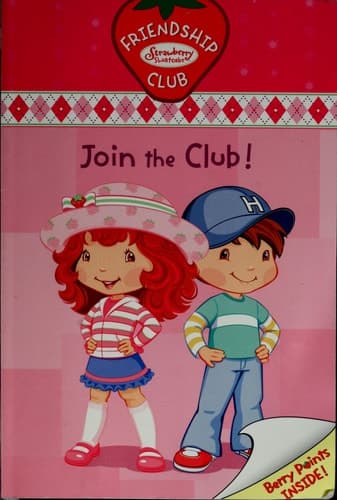
In this first title of a new chapter book series, Strawberry and her berry best friends form a Friendship Club. Then some of the kids form a separate Friendship Club. Can Strawberry convince everybody that one club will be twice as fun as two? Illustrations.
Recommendations

CAM Jansen and the Mystery of the Stolen Corn Popper
by David A. Adler
Like Strawberry's crew, Cam and her friends solve problems together through collaboration and quick thinking, but Adler adds a mystery-solving element that gives the friendship dynamics a purpose beyond just hanging out. The illustrated chapter-book format and ensemble cast of kids working through conflicts mirrors what made Join the Club! so engaging, while introducing your reader to the detective-story genre in an accessible way.
View book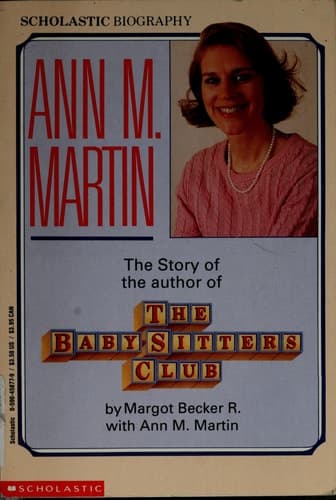
Ann M. Martin The Story of the Author of the Baby-Sitters Club
by Margot R. Becker
This is the original friendship-and-club book that influenced countless series after it. What Martin does brilliantly is show how a group with different personalities actually *needs* those differences to function—the conflict isn't about whether the club should exist, but how to make it work for everyone. It's a more sophisticated take on the same core idea that drove Strawberry's story.
View book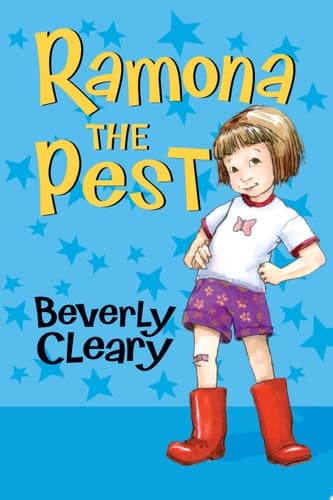
Ramona the Pest
by Beverly Cleary
Cleary's Ramona books predate Join the Club! by decades (1968), but they're essential reading for understanding how chapter books capture the genuine social chaos of childhood. Where Bryant's book focuses on club-building harmony, Cleary shows the messier reality of how kids actually navigate friendships—Ramona causes problems without meaning to, and that's where the real comedy and heart live. It's a different era's approach to the same age group.
View book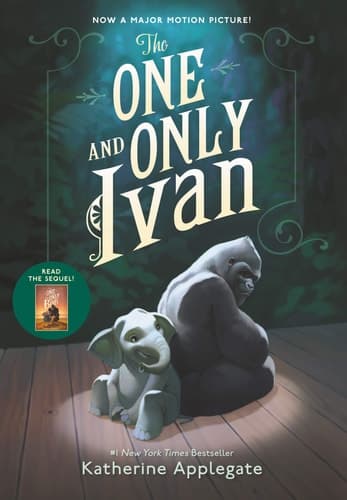
The One and Only Ivan
by Katherine Applegate
This is my surprise pick—it's still about community and belonging, but told from a gorilla's perspective in a way that makes readers think about what friendship and loyalty really mean. Applegate takes the themes of togetherness that Bryant explores and deepens them with genuine emotional weight and a broader worldview. It won the Newbery, but it's not saccharine; it earns its emotional moments through character work.
View book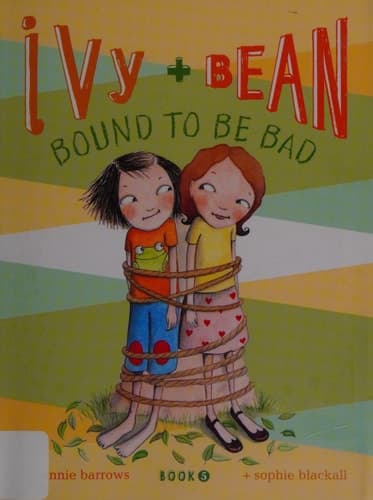
Ivy and Bean -
by Annie Barrows
Barton's Ivy and Bean books capture that specific magic of two kids becoming instant best friends and immediately getting into schemes together. The friendship feels organic and unforced in a way that complements Strawberry's story—these aren't kids solving problems through discussion, they're kids who just *click* and then figure things out as they go. The illustrations are warm and funny, and the chapter-book pacing keeps things moving.
View bookAbout Megan E. Bryant
Biography coming soon.
View author page