Synopsis
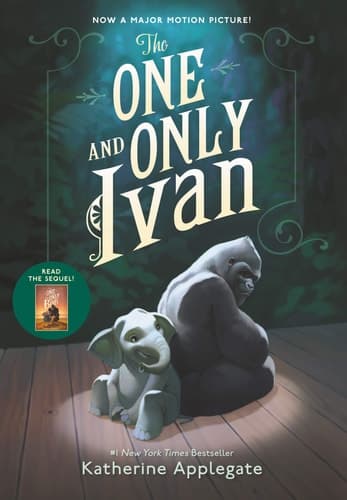
Having spent 27 years behind the glass walls of his enclosure in a shopping mall, Ivan has grown accustomed to humans watching him. He hardly ever thinks about his life in the jungle. Instead, Ivan occupies himself with television, his friends Stella and Bob, and painting. But when he meets Ruby, a baby elephant taken from the wild, he is forced to see their home, and his art, through new eyes.
Recommendations
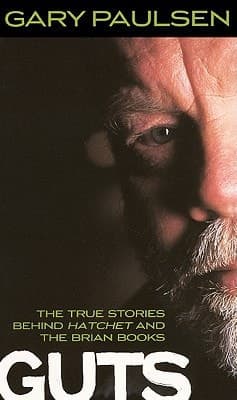
Guts The True Stories Behind Hatchet and the Brian Books
by Gary Paulsen
Like Ivan, your protagonist here is forced into an unexpected relationship with his environment after a life of comfort—but where Ivan discovers agency through art, Brian discovers it through survival. Paulsen captures that same quiet moment-by-moment observation of how a being adapts when their world fundamentally shifts, and there's an underlying current of hope despite the bleakness that mirrors Ivan's gentle resilience.
View book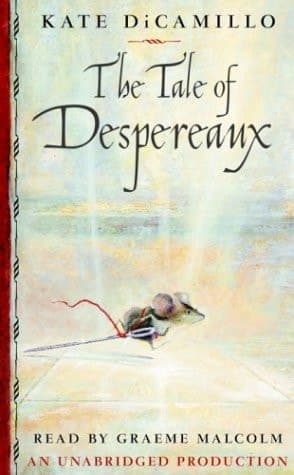
The Tale of Despereaux
by Kate DiCamillo
DiCamillo shares Applegate's gift for making you care deeply about creatures society deems insignificant—here, a mouse with big ears and bigger feelings. The narrative structure mirrors Ivan's journey by showing us how different characters' stories intersect and transform each other, and there's that same blend of melancholy and genuine tenderness that never tips into sentimentality.
View book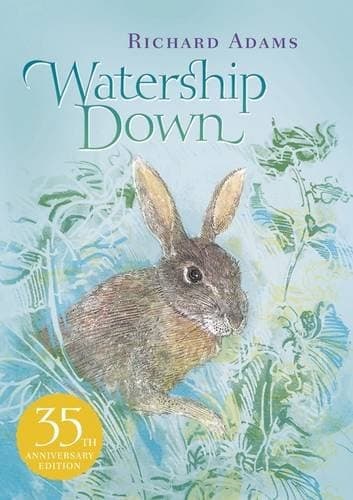
Watership Down
by Richard Adams
Published in 1972, this is your chance to experience the ancestor of modern animal fiction—but Adams does something Applegate builds on: he takes his rabbit characters' interior lives completely seriously, giving them culture, philosophy, and genuine stakes. If you loved how Ivan's painting and television-watching revealed his inner world, you'll find Adams creates an entire civilization with its own mythology and moral questions.
View book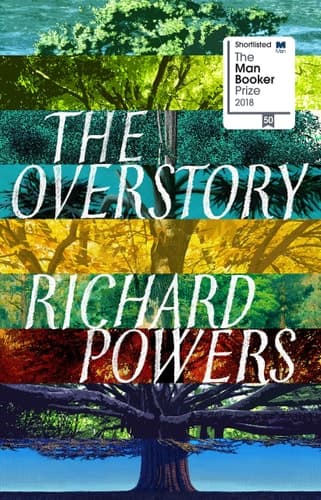
The Overstory A Novel
by Richard Powers
This is the curveball—a literary novel about environmental activism told through interconnected human lives, but it shares Ivan's core insight: that seeing truly (really *seeing* another being) changes everything. Powers writes about trees the way Applegate writes about Ivan—as conscious entities with their own perspective—and the book's structure of multiple viewpoints converging mirrors how Ruby's arrival forces Ivan and the reader to see the enclosure anew.
View book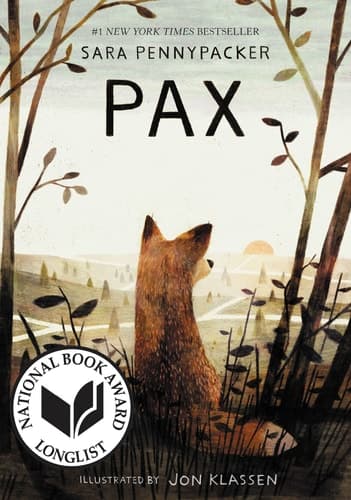
Pax
by Sara Pennypacker
Pennypacker alternates between a boy and his fox during wartime separation, and like Applegate, she refuses to make this manipulative—instead, she earns every emotional beat through precise observation of how creatures (human and animal) cope with loss and displacement. The fox's sections have that same quality of Ivan's internal monologue: intelligent, sometimes wry, always grounded in sensory detail rather than anthropomorphized sentiment.
View bookAbout Katherine Applegate
Biography coming soon.
View author page