Synopsis
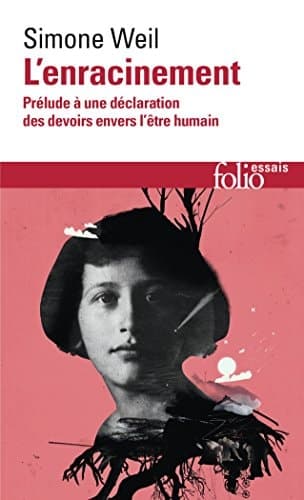
"L'enracinement est peut-être le besoin le plus important et le plus méconnu de l'âme humaine. C'est un des plus difficiles à définir. Un être humain a une racine par sa participation réelle, active et naturelle à l'existence d'une collectivité qui conserve vivants certains trésors du passé et certains pressentiments d'avenir. Participation naturelle, c'est-à-dire amenée automatiquement par le lieu, la naissance, la profession, l'entourage. Chaque être humain a besoin d'avoir de multiples racines. Il a besoin de recevoir la presque totalité de sa vie morale, intellectuelle, spirituelle, par l'intermédiaire des milieux dont il fait naturellement partie." Simone Weil.
Recommendations
Hegel's Preface to the Phenomenology of Spirit
by Georg Wilhelm Friedrich Hegel
Like Claudel, Hegel is wrestling with how consciousness develops through participation in culture and history—he's essentially mapping the spiritual rootedness that Weil describes in your epigraph. Where Claudel approaches this through art and faith, Hegel pursues it through dialectical philosophy, but both are after that same question of how we become fully human through our embeddedness in collective life.
View book
Fyodor Dostoevsky's the Brothers Karamazov (Bloom's Modern Critical Interpretations)
by Unknown
Dostoevsky does what Claudel does—he makes spiritual and intellectual questions visceral and urgent through character and dialogue rather than abstraction. The novel's obsession with faith, doubt, community, and what it means to be rooted (or uprooted) in Russian soil and Orthodox tradition will feel like a natural extension of the meditative, searching quality you just experienced.
View book
The Style of Connectedness Gravity's Rainbow and Thomas Pynchon
by Thomas Moore
Here's your surprise pick: Pynchon shares Claudel's conviction that everything—technology, history, desire, spirituality—is interconnected, but he expresses it through maximalist postmodern chaos rather than contemplative meditation. If you found yourself tracing connections across Claudel's essays, you'll recognize that same impulse here, except Pynchon makes it dizzyingly funny and paranoid. It's rootedness inverted—a world where nothing stays still long enough to take root.
View book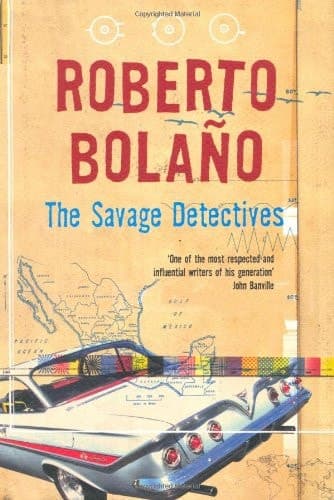
The Savage Detectives A Novel
by Roberto Bolaño
Bolaño captures something Claudel understood deeply: that artistic and spiritual seeking is inseparable from place, friendship, and the accidents of biography. His novel follows poets moving through Mexico and Europe, and like Claudel's essays, it's genuinely interested in how we're shaped by the communities we inhabit—even when those communities are marginal or transient. The form itself enacts that rootlessness-within-connection.
View book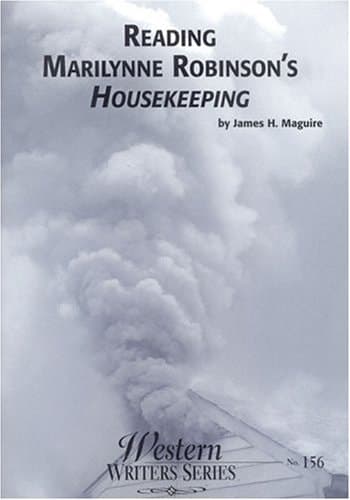
Reading Marilynne Robinson's Housekeeping (Boise State University Western Writers Series)
by James H. Maguire
Robinson writes with Claudel's attentiveness to how landscape, family history, and spiritual life are woven together—but she does it through the intimate domestic sphere rather than grand philosophical pronouncements. Her prose has that same quality of patient observation, and her meditation on what it means to belong (or refuse to belong) to a place and a family feels like a contemporary answer to Claudel's questions about rootedness and the soul.
View bookAbout Paul Claudel
Biography coming soon.
View author page