Synopsis
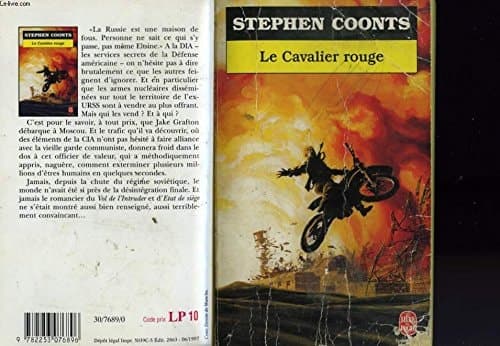
" La Russie est une maison de fous. Personne ne sait ce qui s'y passe, pas même Eltsine ". A la DIA - les services secrets de la Défense américaine - on n'hésite pas à dire brutalement ce que les autres feignent d'ignorer. Et en particulier que les armes nucléaires disséminées sur tout le territoire de l'ex-URSS sont à vendre au plus offrant. Mais qui les vend ? Et à qui ? C'est pour le savoir, à tout prix, que Jake Grafton débarque à Moscou. Et le trafic qu'il va découvrir, où des éléments de la CIA n'ont pas hésité à faire alliance avec la vieille garde communiste, donnera froid dans le dos à cet officier de valeur, qui a méthodiquement appris, naguère, comment exterminer plusieurs millions d'êtres humains en quelques secondes. Jamais, depuis la chute du régime soviétique, le monde n'avait été si près de la désintégration finale. Et jamais le romancier du Vol de l'Intruder et d'Etat de siège ne s'était montré aussi bien renseigné, aussi terriblement convaincant...
Recommendations
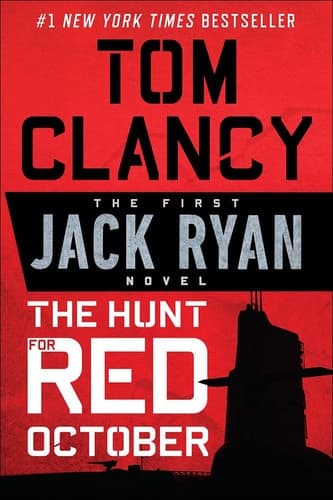
The Hunt for Red October
by Tom Clancy
Like Coonts, Clancy builds tension through technical precision and insider knowledge of military systems, but he excels at the cat-and-mouse game between superpowers in ways that feel inevitable rather than frantic. Jake Grafton's methodical investigation mirrors Jack Ryan's detective work—both protagonists are men trying to see through fog created by bureaucracies and lies.
View book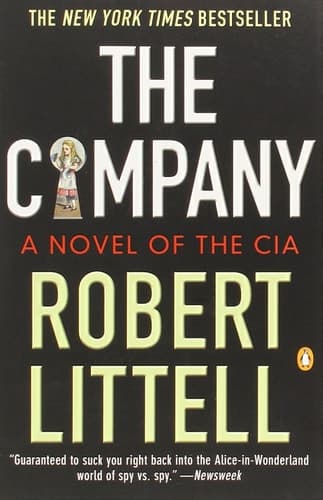
The Company A Novel of the CIA
by Robert Littell
Littell spent years researching actual CIA operations, and it shows—his novel spans decades of the Agency's real moral compromises and alliances-of-convenience, exactly the kind of institutional rot that horrifies Grafton in Le Cavalier Rouge. The scope is epic, but the focus remains on individuals caught between ideology and pragmatism.
View book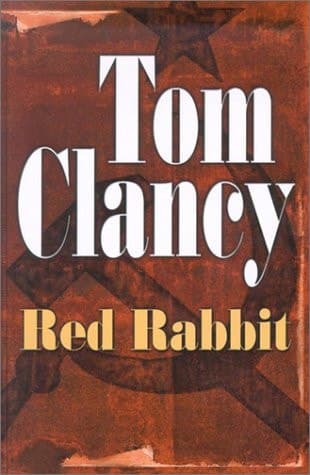
Red Rabbit
by Tom Clancy
Le Carré writes espionage as a bureaucratic nightmare where nobody's quite sure who's using whom, which is precisely the world Coonts depicts. His prose is slower, more literary than Coonts, but the paranoia runs deeper—he's interested in how intelligence agencies become their own worst enemies, a theme that should resonate with you after Le Cavalier Rouge.
View book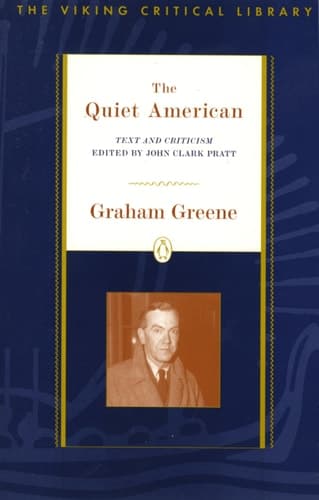
The Quiet American
by Graham Greene
A surprising pivot, but Greene's 1955 novella explores something Coonts touches on: how American intelligence operatives with the best intentions can destabilize entire regions through arrogance and ideology. It's shorter and more literary than Le Cavalier Rouge, but the core question—who's really pulling the strings?—is identical, just set in Vietnam instead of post-Soviet Russia.
View book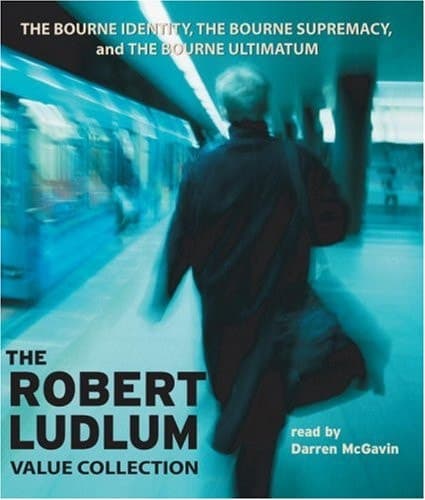
The Robert Ludlum Value Collection: The Bourne Identity, The Bourne Supremacy, The Bourne Ultimatum
by Robert Ludlum
Ludlum's protagonist is a man trying to piece together what's real while powerful institutions pursue him, which mirrors Grafton's experience of discovering that his own government is complicit in the nuclear trafficking. The pacing is relentless in ways that match Coonts' energy, and both authors understand that the real threat often comes from inside your own side.
View bookAbout Stephen Coonts
S
Stephen Coonts
Born 1946
Biography coming soon.
View author page