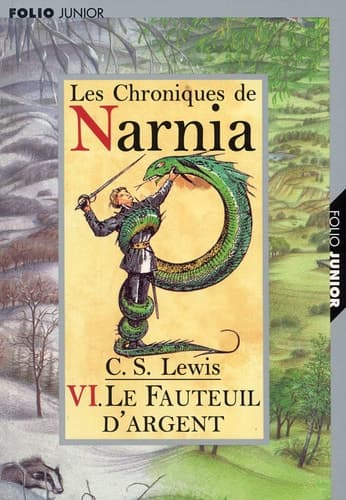
Le fauteuil d'argent
Clive Staples LewisPublished2002
Pages255
Formatpaperback
PublisherGallimard Jeunesse
Synopsis
Pour Jill et Eustache, la vie est dure à l'école expérimentale ! Un jour, voulant échapper à des élèves qui les brutalisent, les enfants ouvrent la petite porte du jardin. Au lieu de la lande morne et grise, ils découvrent une contrée radieuse, le pays d'Aslan, le grand lion. Celui-ci leur confie une mission : retrouver Rilian, prince héritier de Narnia, enlevé des années plus tôt par un horrible serpent... Le monde enchanté de Narnia, le pays de l'imaginaire, vous attend.
Recommendations
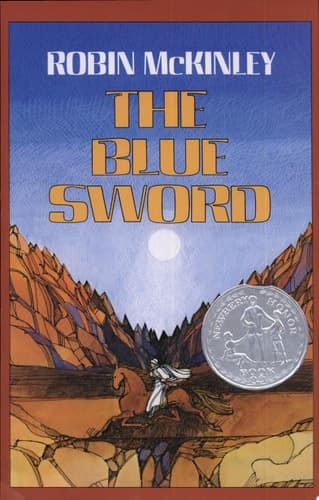
The Blue Sword
by Robin McKinley
Like Jill and Eustache, your protagonist here is whisked away from an ordinary, often hostile world into a magical realm where she discovers she has a crucial role to play. McKinley has that same gift Lewis possessed for making the fantastical feel earned rather than whimsical—the magic serves the story's emotional core rather than existing for its own sake.
View book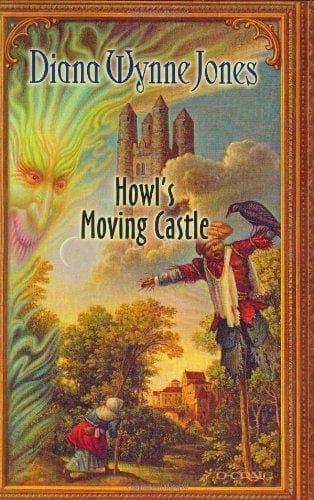
Howl's Moving Castle
by Diana Wynne Jones
This one shares Lewis's playful approach to fantasy—there's genuine danger and darkness, but the narrative voice has a wry, almost conversational quality that keeps things from becoming too heavy. The way Jones builds her magical world through offhand details and character interaction rather than exposition dumps will feel familiar if you appreciated how naturally Narnia's rules emerged as the story unfolded.
View book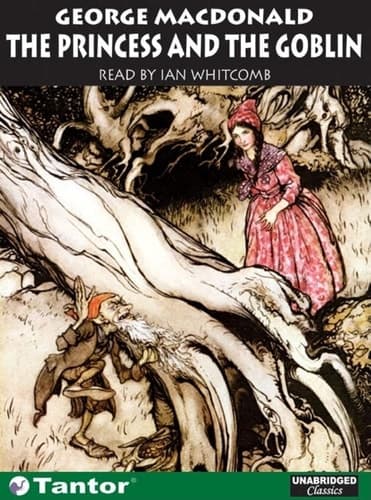
The Princess and the Goblin
by George MacDonald
A genuine surprise pick, but hear me out: where Lewis's Narnia books often feature children thrust into leadership roles they must grow into, Addison takes that premise and explores it with the emotional intelligence of literary fiction. There's no dragon-slaying here, but the same sense of a protagonist discovering inner strength while navigating an unfamiliar, intricate world—and the prose has that same warmth beneath the adventure.
View book
The Phantom Tollbooth
by Norton Juster
Published in 1961, this predates your book by decades but shares its DNA entirely—a bored child stumbles into an impossible world and discovers that the adventure is really about learning to see wonder in language, logic, and imagination itself. Juster's wordplay and conceptual inventiveness feel like what Lewis might have created if he'd been more interested in puns than theology.
View book
The Last Sorcerers The Path from Alchemy to the Periodic Table
by Richard Morris
This one's a departure in setting—Regency England rather than a secondary world—but it captures something essential from Lewis: the idea that magic is real, consequential, and embedded in a fully realized society with its own politics and history. Cho writes with the same sense that wonder and danger coexist, and that ordinary people discovering extraordinary truths is where the real story lives.
View bookAbout Clive Staples Lewis
Biography coming soon.
View author page