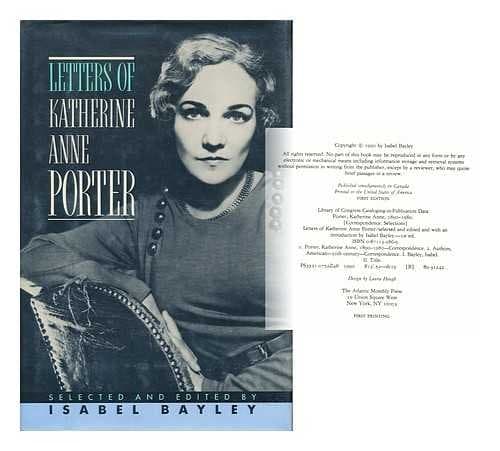
Letters of Katherine Anne Porter
O'Brien, AdalePublished1990
Pages642
Formathardcover
PublisherAtlantic Monthly Press
Synopsis
Selected letters between Porter and fellow writers trace her development as a writer and reveal her outlook on life
Recommendations
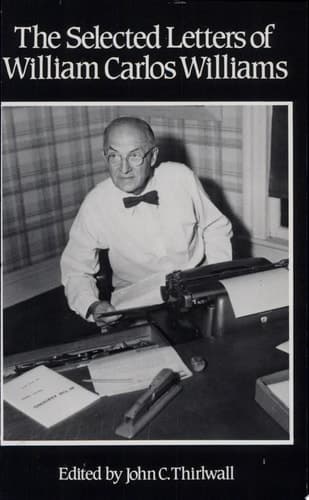
The Selected Letters of William Carlos Williams
by William Carlos Williams
Like Porter's letters, Williams's correspondence captures a modernist writer wrestling with craft, influence, and artistic identity across decades of American literary life. You'll find the same intimate candor about creative struggles and the same sharp observations about fellow writers—but Williams's letters crackle with a different energy, more experimental and rooted in everyday American speech rather than Porter's more formal Southern sensibility.
View book
Women Writers at Work The Paris Review Interviews
by Paris Review
This collection captures writers talking about their process in extended conversations—a natural next step from Porter's letters. What makes it different is the back-and-forth dynamic; you get to see how writers respond to direct questions about their methods, their influences, and their failures in ways that letters sometimes gloss over. It's like eavesdropping on the conversations Porter was having in person.
View book
Reading Marilynne Robinson's Housekeeping (Boise State University Western Writers Series)
by James H. Maguire
This is the surprise pick: a novel rather than letters or essays, but it reads like a meditation on family legacy and the stories we inherit—themes that shimmer through Porter's correspondence. Robinson's prose has that same careful, almost archival quality, and her narrator is piecing together a family history much like Porter was doing through her letters. It's quieter than Porter's work, but the emotional intelligence is kindred.
View book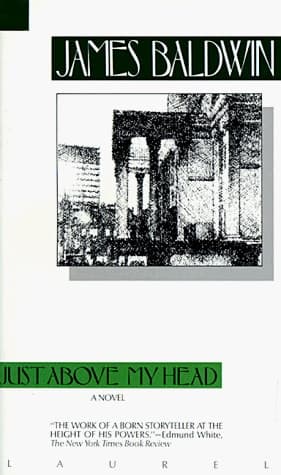
Just Above My Head
by James Baldwin
Baldwin's novel is structured partly as a man reflecting on his relationship with his brother through memory and conversation—it has the epistolary spirit of intimate revelation without being letters themselves. Like Porter, Baldwin writes about the interior lives of artists and the cost of creation, but he brings a different urgency and a different America into the room. The voice is unmistakably his: passionate, uncompromising, and deeply personal.
View book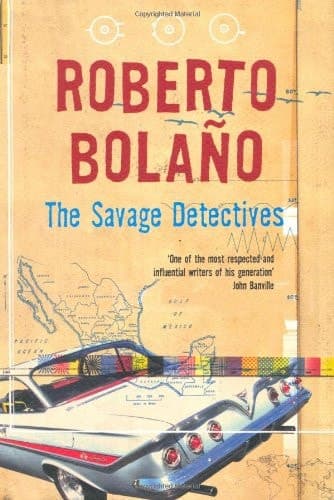
The Savage Detectives A Novel
by Roberto Bolaño
A wildly different beast from Porter—published in 1998, it's a sprawling, fragmented novel that includes letters, journal entries, and testimonies woven through a narrative about poets and their obsessions. If you're curious about how a contemporary writer uses epistolary and fragmentary forms to explore literary community and artistic ambition across generations, Bolaño takes those impulses to their maximalist extreme. It's a risk, but it'll make you see Porter's letters in a new light.
View bookAbout O'Brien, Adale
Biography coming soon.
View author page