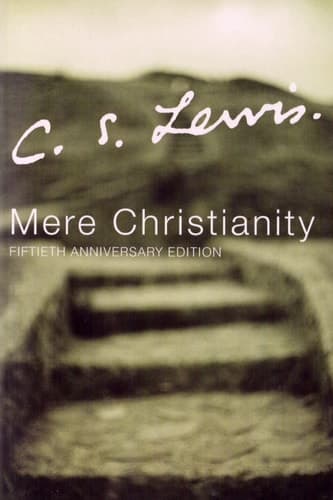
Mere Christianity - UK Gift Edition
Clive Staples LewisPublished2001
Pages192
Formathardcover
PublisherHarperCollins
Synopsis
This hugely popular international bestseller is being repackaged and rebranded as the leading title in the C.S. Lewis Signature Classis range. One of the most popular and beloved introductions to the concept of faith ever written, Mere Christianity has sold millions of copies worldwide. The timeless questions of spirituality which Lewis raises will have resonance with a new generation of readers. Mere Christianity brings together Lewis's legendary broadcast talks of the war years, talks in which he set out simply to 'explain and defend the belief that has been common to nearly all Christians at all times.' Rejecting the boundaries that divide Christianity's many denominations, C.S. Lewis provides an unequaled opportunity for believers and nonbelievers alike to hear a powerful, rational case for the Christian faith. This scintiallating collection confirms C.S. Lewis's reputation as one of the leading writers and thinkers of our age.
Recommendations
The Problem of Pain
by Clive Staples Lewis
Wait—I know what you're thinking. But hear me out: if Mere Christianity left you wanting to dig deeper into Lewis's reasoning on one of faith's thorniest questions, this companion work tackles suffering with the same crystalline logic but in a more concentrated, almost meditative way. It's Lewis at his most philosophically rigorous, building an argument brick by brick rather than broadcasting to a wartime audience.
View book
Orthodoxy
by Gilbert Keith Chesterton
Chesterton writes Christian apologetics the way a magician reveals a trick—with paradox, wit, and the sudden joy of seeing something obvious you'd somehow missed. Where Lewis builds systematic arguments, Chesterton ambushes you with epigrams and unexpected connections. Both men are defending the same faith, but Chesterton's approach feels like a conversation with someone who finds the whole thing delightfully funny rather than solemnly necessary.
View book
The Abolition of Man, Or, Reflections on Education with Special Reference to the Teaching of English in the Upper Forms of Schools
by Clive Staples Lewis
If you found yourself nodding along to Lewis's arguments about objective morality in Mere Christianity, this slim but devastating essay collection extends that thinking into education and culture. It's Lewis warning about the philosophical consequences of rejecting universal values—written in 1943 but reading like he's describing our current moment. Shorter than Mere Christianity but denser; it rewards slow reading.
View book
The IPod Tutor The Argument Against Richard Dawkins' the God Delusion
by Intelligent Community The Intelligent Community
I'm recommending this as the loyal opposition—the book Lewis would have wanted thoughtful believers to actually read and reckon with rather than dismiss. Dawkins makes the strongest case against faith that a brilliant scientist can muster, which means engaging with it sharpens your own thinking far more than reading another defense would. It's the conversation partner Lewis deserves, even if you ultimately disagree.
View book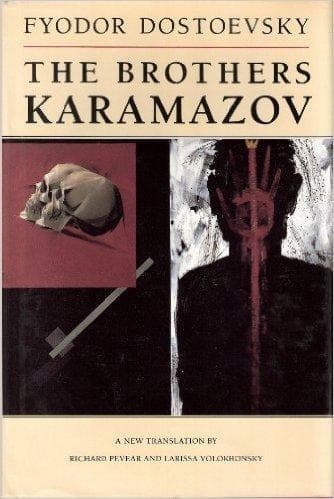
Fyodor Dostoevsky's the Brothers Karamazov (Bloom's Modern Critical Interpretations)
by Unknown
Here's the surprise: this 19th-century Russian novel does what Mere Christianity does—wrestles with faith through dialogue and argument—but it does it through characters you come to love, suffering through their own crises of belief. The Grand Inquisitor chapter alone contains more theological questioning than most philosophy books, and Ivan's rebellion against God feels like the most serious objection Lewis never quite faced head-on. It's apologetics through the novel form, which means it works on your heart as well as your mind.
View bookAbout Clive Staples Lewis
Biography coming soon.
View author page