Synopsis
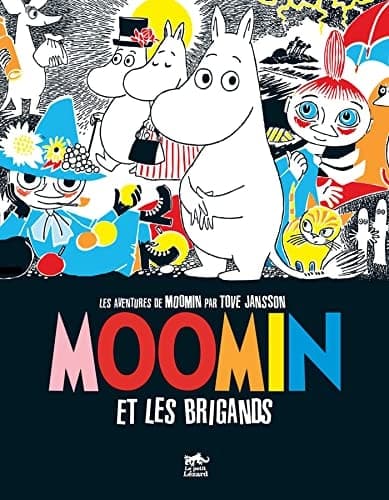
Cet ouvrage est la première traduction en France des œuvres de bandes dessinées de Tove Jansson. Les aventures de Moomin s'adressent autant aux enfants dès 8 ans qu'à des lecteurs adultes. Elles sont apparues, pour la première fois, sous forme de strips dans les pages du London Evening News en 1954 puis seront publiées dans 40 autres journaux internationaux. Ce volume est le premier d'une série d'histoires écrites par elle, avant que son frère reprenne le personnage au début des années 60. Les Moomins sont une famille très unie, de créatures rondes comme des hippopotames, qui mènent une vie de bohème et d'aventure. Le dessin de Tove Jansson est sobre et précis mais capable de nous toucher par de superbes portraits de personnages trottinant dans des champs de fleurs ou sur des bords de mer, typiques des paysages nordiques. La bande dessinée s'adresse aussi aux adultes à travers un humour subtil. Une atmosphère douce et étrange. Saugrenue, fantaisiste mais pleine de sous entendus mordants, l'observation de la vie quotidienne selon Tove Janson, avec des invités qui outrepassent la bienséance, l'art moderne, les stars de cinéma et le " grand monde " a réussi à capter un public international et trouve des résonances dans le monde d'aujourd'hui. Malgré l'aspect patrimonial de cette édition, la bande dessinée de Moomin n'en demeure pas moins d'une rare modernité. Moonin reste encore aujourd'hui l'emblème de la Finlande.
Recommendations
Pippi Longstocking
by Astrid Lindgren
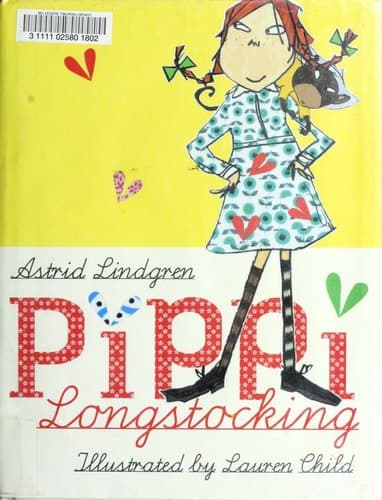
Like Jansson, Lindgren creates a Nordic world where children and adults inhabit the same imaginative space with equal wonder. Both authors share that rare gift of writing whimsy that never feels saccharine—their characters stumble into absurd situations with the same matter-of-fact acceptance that makes the strangeness feel both funny and oddly touching.
View book
The Apocalyptic Vision of Mikhail Bulgakov's the Master and Margarita (Studies in Slavic Language & Literature)
by Edward E. Ericson
Here's your surprise pick: this 1960s Russian novel has that same saugrenue quality you loved in Moomin—a narrative that shifts between the mundane and the fantastical, where the Devil himself shows up to critique Soviet society's pretensions. Bulgakov's satirical eye for human folly and his ability to make the impossible feel inevitable will feel familiar, just operating at a more complex literary register.
View book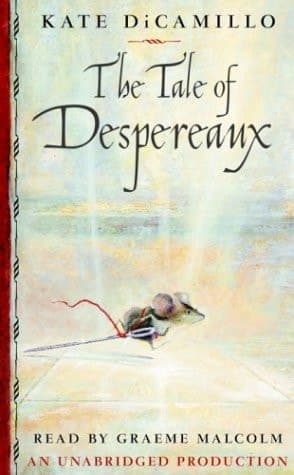
The Tale of Despereaux
by Kate DiCamillo
DiCamillo writes with Jansson's precision about small creatures navigating large emotions, and her illustrations-friendly prose has that same delicate balance between heartbreak and hope. The story unfolds with a storybook quality that appeals equally to children discovering it and adults recognizing the melancholy beneath the fairy-tale surface.
View book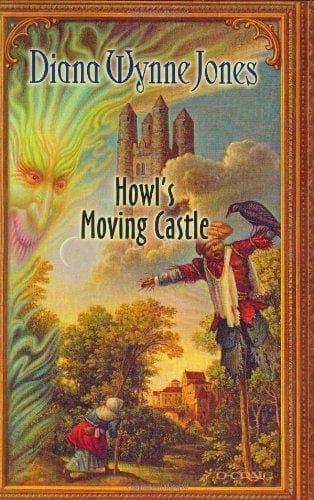
Howl's Moving Castle
by Diana Wynne Jones
Jones shares Jansson's gift for embedding sharp social observation inside fantastical premises—her wizard Howl is as vain and ridiculous as any of Moomin's bohemian visitors, and the novel's humor comes from characters treating extraordinary circumstances with everyday pragmatism. The prose has that same Nordic-influenced clarity, making the magical feel lived-in rather than spectacular.
View book
The Phantom Tollbooth
by Norton Juster
Published in 1961, this earlier work shares Jansson's belief that children's literature can be intellectually playful without being condescending. Both authors hide wordplay and philosophical observations inside adventure narratives—you'll find the same delight in language games and the same willingness to let characters wander into unexpected territories, whether that's the Doldrums or Moomin Valley.
View bookAbout Tove Jansson
T
Tove Jansson
1914–2001
Finnish novelist, painter, and professor of philosophy, best known for the <i>Moomin</i> books.
View author page