Synopsis
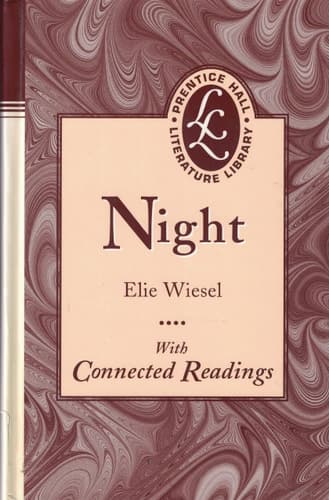
An autobiographical narrative, in which the author describes his experiences in Nazi concentration camps.
Recommendations
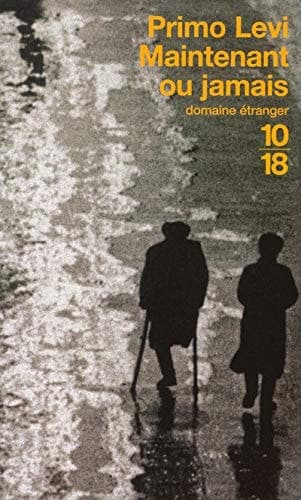
If Not Now, When?
by Primo Levi
Levi, himself a Holocaust survivor, takes a different narrative approach by fictionalizing the stories of Jewish partisans fighting back in occupied Europe. Where Wiesel's Night is intimate and introspective, this novel expands outward to show resistance and agency—it's the counterweight to despair, told by someone who truly understood both the darkness and the necessity of defiance.
View book
The remains of the day de Kazuo Ishiguro
by Gallix/François
This might seem like a departure, but Ishiguro's exploration of complicity and self-deception in a butler serving a Nazi sympathizer operates in the same moral register as Night—examining how ordinary people rationalize proximity to evil. The restraint of his prose mirrors how Wiesel lets silence speak as loudly as testimony, and both books haunt you with what remains unspoken.
View book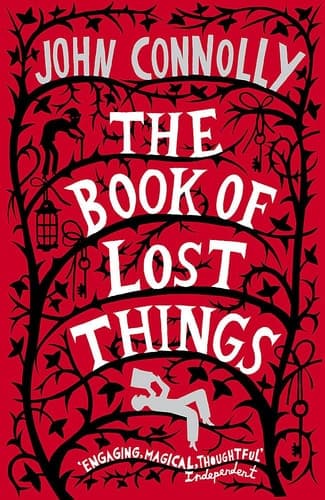
The Book of Lost Things
by John Connolly
Here's your surprise pick: a dark fantasy that uses fairy tale logic to process trauma and loss during wartime. A boy navigates a fractured world that mirrors his fractured psyche after his mother's death and his father's remarriage during WWII. Connolly writes with the same unflinching clarity about suffering that Wiesel does, but through the lens of magical realism—it's how grief actually feels, not how it's supposed to be narrated.
View book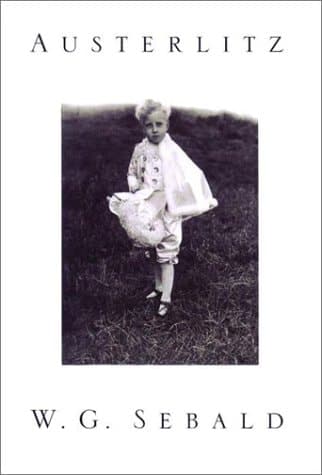
Austerlitz
by W. G. Sebald
Sebald's layered meditation on memory, displacement, and the Kindertransport feels like a contemporary echo of Wiesel's project—both writers understand that testimony isn't just about reporting facts, but about the texture of remembering itself. His incorporation of photographs and fragmented narrative creates the same sense of haunting incompleteness, where what's missing is as important as what's told.
View book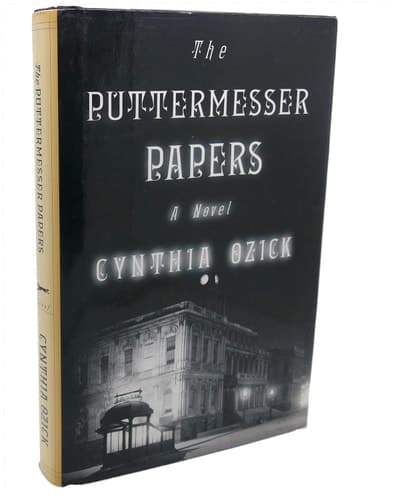
The Puttermesser Papers
by Cynthia Ozick
Ozick's interconnected stories about a Jewish woman in New York grapple with Jewish identity, loss, and the possibility of redemption through language and imagination. Published in the 1990s, it represents a different generational response to the same historical weight—less direct testimony, more mythic and philosophical, but equally urgent in asking what it means to survive and create meaning afterward.
View bookAbout Elie Wiesel
Biography coming soon.
View author page