
Synopsis
En plantant leurs drapeaux sur des territoires vierges de toute publicité, en substituant au simple objet de consommation une image à valeur mythique, les multinationales n'ont pas seulement bouleversé les mentalités et les lois du travail, elles ont modifié l'économie de nombreux pays dans une course au profit qui bafoue sans scrupules les droits et libertés civils. Mais le nombre augmente de ceux qui prônent l'urgence d'une mobilisation vigilante, dénoncent les abus des grands sociétés et réclament un partage plus équitable des bénéfices des multinationales.
Recommendations

The Shock Doctrine The Rise of Disaster Capitalism
by Naomi Klein
I know Klein wrote this one too, but hear me out—if *No Logo* made you angry about how brands colonize our minds, *The Shock Doctrine* will show you the economic machinery underneath that colonization. Klein traces how corporations exploit crises to reshape entire economies, which is the logical next chapter after understanding how they reshape our desires.
View book
The Scriptures of Charles Dickens: Novels of Ideology, Novels of the Self (The Nineteenth Century Series)
by Vincent Newey
Curtis's four-part documentary (yes, it's a film, but the accompanying book is equally gripping) traces how Freud's nephew Edward Bernays essentially invented modern marketing by weaponizing psychology. Where Klein shows *what* brands do, Curtis shows *how* they learned to do it—the genealogy of the manipulation you were reading about.
View book
Killing Mister Watson
by Peter Matthiessen
This might seem like a left turn, but stay with me: Matthiessen constructs this novel through multiple unreliable narrators, each telling their version of who a man really was. It's a formal experiment that mirrors Klein's method—she too is showing us how corporations construct competing narratives about themselves versus the reality on the ground. The fragmented truth-telling here will resonate with how you've learned to read corporate mythology.
View book
Open Veins of Latin America Five Centuries of the Pillage of a Continent
by Eduardo Galeano
Galeano's 1971 classic is the historical backbone Klein builds on—he shows how resource extraction and economic colonialism created the conditions where multinational brands could later flourish. Reading this first will make you understand Klein's arguments about labor exploitation and profit extraction as the continuation of centuries-old patterns, not new phenomena.
View book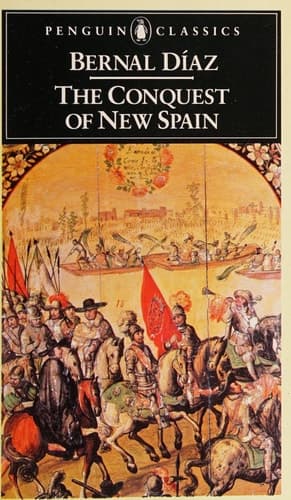
The Conquest of New Spain
by Bernal Diaz Del Castillo
I'm recommending this 1892 anarchist text because Klein's critique needs a counterpoint—Kropotkin actually imagines what an economy *without* brands and multinational control could look like. It's utopian where Klein is diagnostic, but reading them together gives you both the problem and a sketch of alternatives, which is what activist readers actually need.
View bookAbout Naomi Klein
N
Naomi Klein
Born 1970
Naomi Klein (born May 8, 1970) is a Canadian author, social activist, and filmmaker known for her political analyses, support of ecofeminism and organized labour, and criticism of corporate globalization, fascism and capitalism. Klein first became known internationally for her alter-globalization book *No Logo* (1999).
View author page